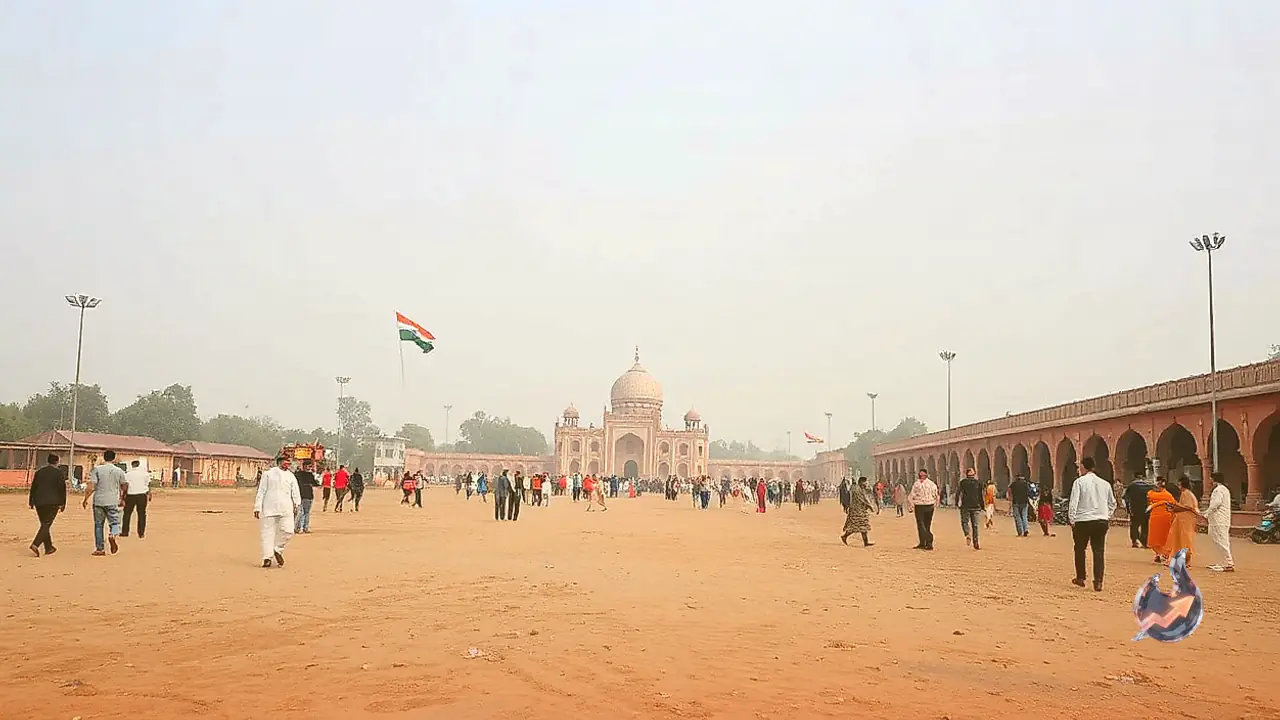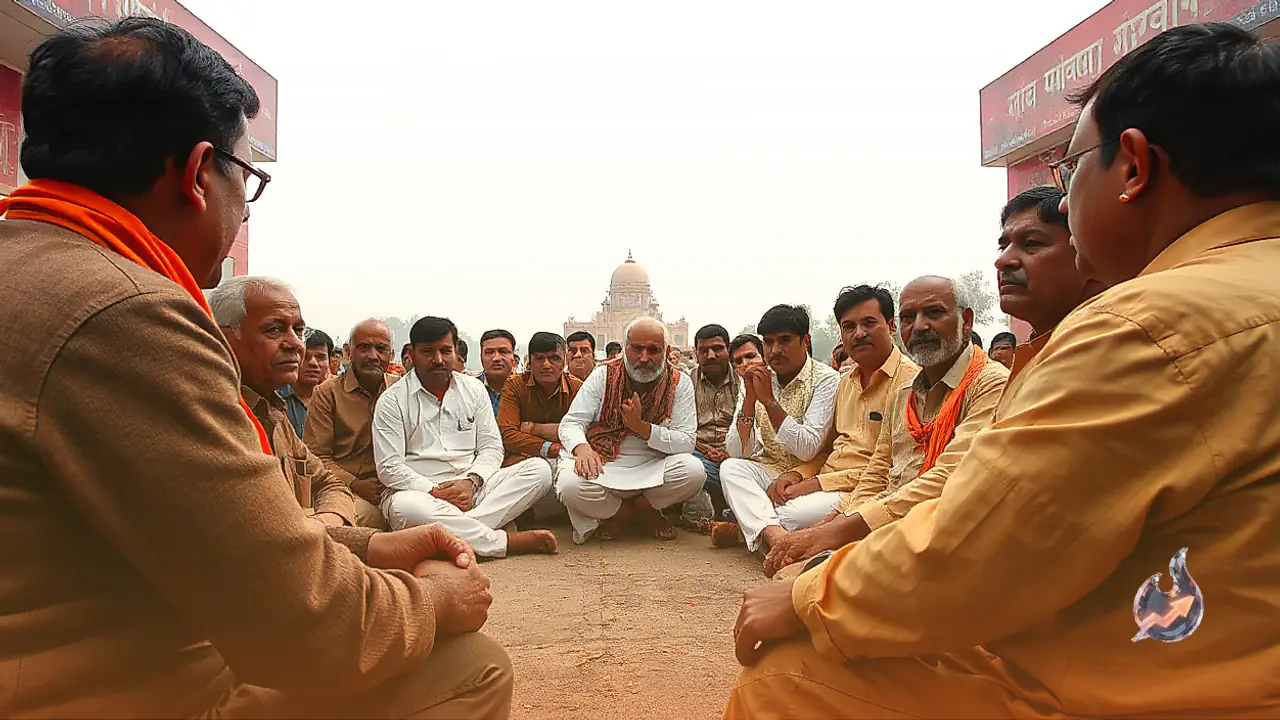
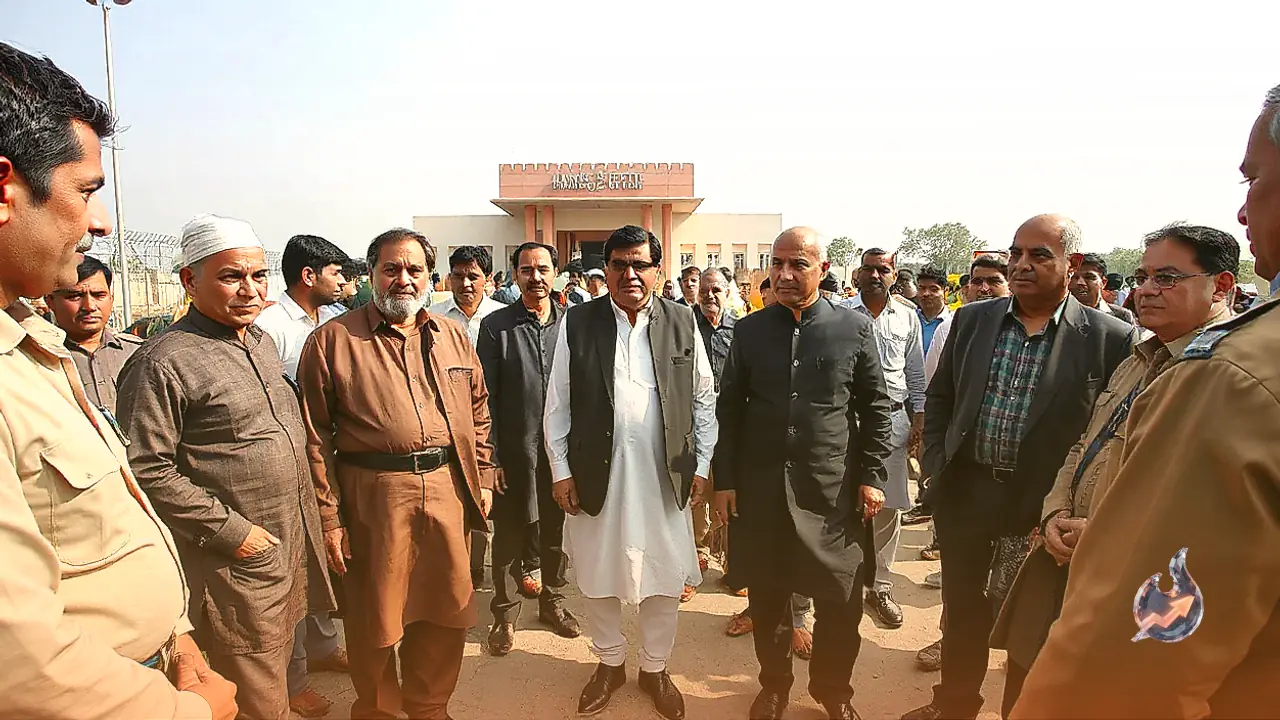














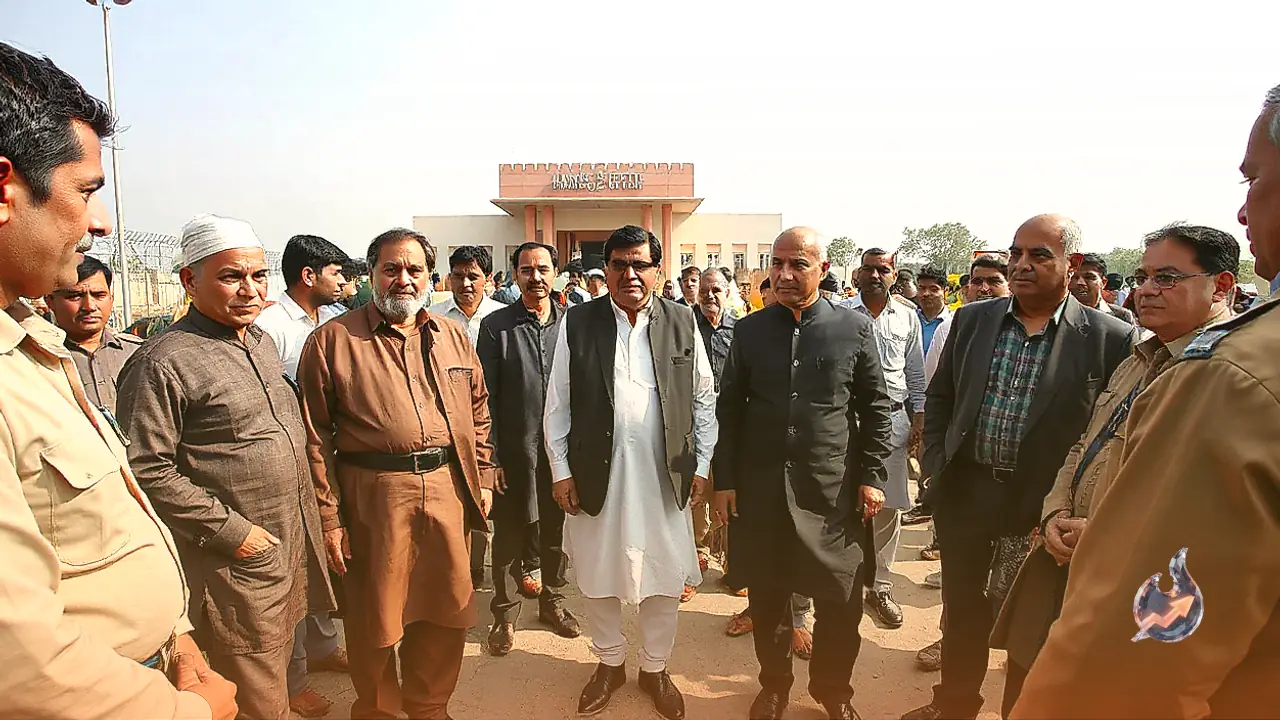

Federal financial investigators have intensified their questioning of senior political leader and former cabinet minister Azam Khan in connection with alleged financial irregularities and money laundering involving Jauhar University. A specialized team from the Lucknow zone is conducting extensive questioning sessions at the Enforcement Directorate headquarters in New Delhi. During the four-day custody remand granted by a special court in Ghaziabad, the central agency's primary focus remains on the funding sources of Jauhar University and the Maulana Mohammad Ali Jauhar Trust, construction expenditures, and suspicious financial transactions related to land acquisition.
The ongoing probe has uncovered alleged financial irregularities amounting to approximately 426.46 crore rupees in the construction and associated properties of Jauhar University. Investigators are trying to ascertain the origin of these massive funds and identify who provided the capital for establishing the institution. A critical aspect of the investigation involves a glaring mismatch between the capital expenditure declared in the trust's official records and the actual funds spent on the ground for building the university campus.
Late Thursday night, a team of federal agents transported the political leader from the Dasna jail in Ghaziabad to the national capital under tight security. Following a routine medical examination at the Ram Manohar Lohia Hospital on Friday morning, he was brought to the central office for questioning. The local court has approved a four-day custody remand for Azam Khan, which will remain active until the evening of November 16 at 4:30 PM.
Discrepancies in Construction Costs and Contractor Involvement
The central focus of the interrogation revolves around the total expenditure incurred on building the university campus. According to the agency's initial assessment, the construction cost totaled nearly 499.09 crore rupees, whereas the trust officially reported a capital expenditure of only 78.32 crore rupees in its books. Investigators are questioning the source of the remaining funds and how the massive gap was financed.
The probe has also revealed that certain government contractors secured substantial public works contracts worth approximately 186 crore rupees from the public works department. Allegations indicate that the managing director of a contracting firm diverted 30 to 40 percent of the contract value toward the construction of the university. The federal agency is examining the extent of Azam Khan's awareness and involvement in securing these funds.
Procurement of Building Materials and Donations from Meerut Institutions
Investigators suspect that funding was channeled not only through direct cash transfers but also via the supply of essential construction materials through government contractors. Consequently, inquiries are being made into whether specific contractors were instructed to supply cement, steel rods, bricks, and other raw materials directly to the university project.
Furthermore, the agency is scrutinizing donations amounting to roughly 6.24 crore rupees received by the Jauhar Trust from two educational institutions based in Meerut. Questioning covers the financial health of these institutions, the exact origin of the donated funds, and the circumstances under which the money reached the trust, checking whether administrative pressure was exerted to secure the contributions.
Diversion of Public Funds and Land Acquisition Practices
A significant portion of the investigation centers on the alleged misuse of public funds. Investigators are examining how public funds totaling about 6.60 crore rupees from local area development schemes of lawmakers were utilized for construction projects inside a private university campus. Additionally, officials are reviewing the allocation of 23.41. crore rupees approved by the state government for building a marquee, an OBC hostel, and a hospital block on the campus.
The agency is also reviewing the conditions attached to a 2015 government order concerning the marquee construction, which originally stipulated that the ownership of the building should remain with the culture department for free public use. Reports suggest these conditions were altered in 2016, and investigators are probing the procedural changes and the role played by Azam Khan. The inquiry also covers land purchases in Singhankheda village, allegations of coercion against local farmers, and the utilization of 45 plots comprising roughly 34 acres of enemy property.
Debris from Demolished Homes and Misuse of Municipal Machinery
Federal officials are also looking into allegations that debris from houses demolished during administrative drives in Rampur in 2016 was transported and used for construction at the university. Investigators are asking who issued the directives for these demolitions and how the salvaged material reached the campus.
Another focal point of the interrogation is the alleged unauthorized use of cleaning machinery and vehicles purchased for the Rampur municipal body within the university premises. The agency aims to determine whether municipal resources were diverted for private use without official authorization, cross-referencing bank records, donor lists, and land purchase documents during the ongoing interrogation sessions.