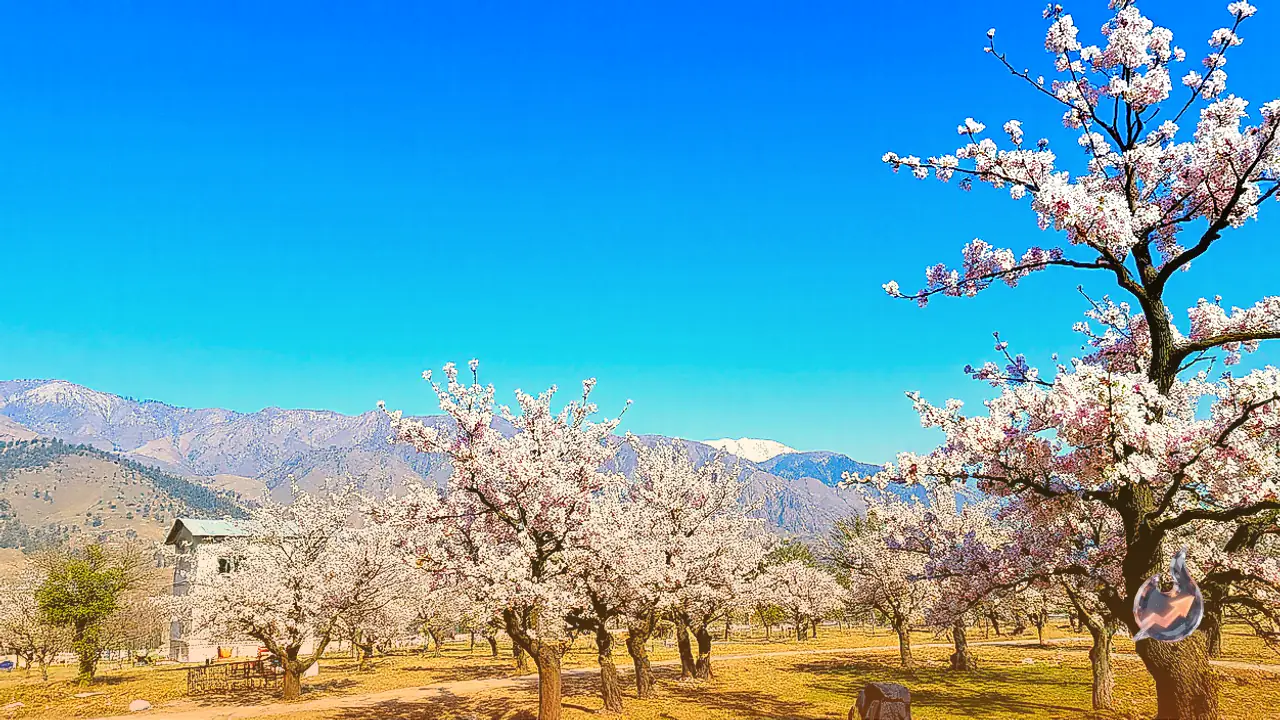

With the arrival of November in the mountainous terrains of Uttarakhand, nature takes on a distinctly striking appearance. During this period, Payyan or Padam trees begin to bloom with vibrant pink and white flowers, widely recognized as the Himalayan Wild Cherry. This tree displays its full splendor right at the onset of winter. What makes it particularly unique is that just when most trees across the mountains begin shedding their leaves, the Payyan bursts into a heavy canopy of blossoms.
Environmental and Geographic Context
Bageshwar-based environmentalist and tree lover Kishan Malra explains that this tree is known by various names including Himalayan Wild Cherry and wild cherry, and it grows naturally across Himalayan regions. These trees can be spotted across the hilly tracts of both Kumaon and Garhwal in Uttarakhand. Generally, it thrives well in mid-altitude mountainous terrains and is easily identified by its beautifully flowering branches. Blooming from November through the early winter months, these flowers give it a distinct identity from surrounding flora.
Folk Culture and Religious Significance
In the traditional folk culture of Uttarakhand, the Payyan tree holds a position of high honor. In many mountainous regions, it is recognized as a sacred tree, and local beliefs intertwine it with deep religious significance. During village worship ceremonies and various auspicious occasions, its twigs and leaves are actively utilized. It is considered a profound symbol of prosperity and a direct connection to nature. The Payyan is not merely a wild tree, but an essential component of the mountain's cultural identity and traditional lifestyle.
Weddings and Traditional Rituals
The twigs and leaves of the Payyan assume special importance during weddings and religious rituals held across the mountains. According to local customs, it is employed in numerous auspicious ceremonies. Traditional worship practices inherently link trees and plants directly to nature and deities. Because of these traditions passed down through generations, the practice of preserving and protecting this tree remains alive in rural areas.
Ecological Contribution and Wildlife Support
The blossoms of the Payyan are not only visually appealing but also carry significant ecological value. At the beginning of winter when flowers on many other trees become scarce, the Payyan provides abundant pollen to bees and other pollinating insects. This assists them in securing nourishment. Bees collect pollen and nectar from the blossoms, a process that simultaneously facilitates pollination, which remains crucial for the propagation of natural vegetation.
Avian Diet and Seed Dispersal
Following the flowering phase, the Payyan tree bears small fruits that turn a bright red upon ripening. These fruits serve as a reliable food source for numerous bird species inhabiting the mountain forests. Birds consume these fruits and subsequently aid in transporting seeds to distant locations, naturally increasing the probability of new saplings sprouting. Thus, the scope of the Payyan extends far beyond mere floral beauty, connecting deeply with the lives of birds and other mountain fauna.
Scenic Beauty Amid Seasonal Transitions
Throughout the month of November, the weather in the mountains of Uttarakhand gradually turns chilly. Leaves on many forest trees turn yellow and tumble down, causing greenery to temporarily recede. Amidst this backdrop, the pink and white flowers of the Payyan infuse the natural landscape with fresh color. Its blossoming branches look picturesque along mountain trails, rural settlements, and forest edges. This scenery proves especially captivating for nature enthusiasts and photography hobbyists alike.
Conservation and Challenges
The Payyan tree holds immense value for Uttarakhand from both natural and cultural perspectives. While its flowers provide sustenance to pollinators and its fruits feed local birds, it simultaneously occupies an esteemed place in folk traditions and religious rituals. Consequently, preserving this tree remains imperative for safeguarding both the mountain environment and its cultural heritage. Amid mounting challenges such as forest tree felling and shifting natural habitats, grassroots awareness among local residents plays a pivotal role.