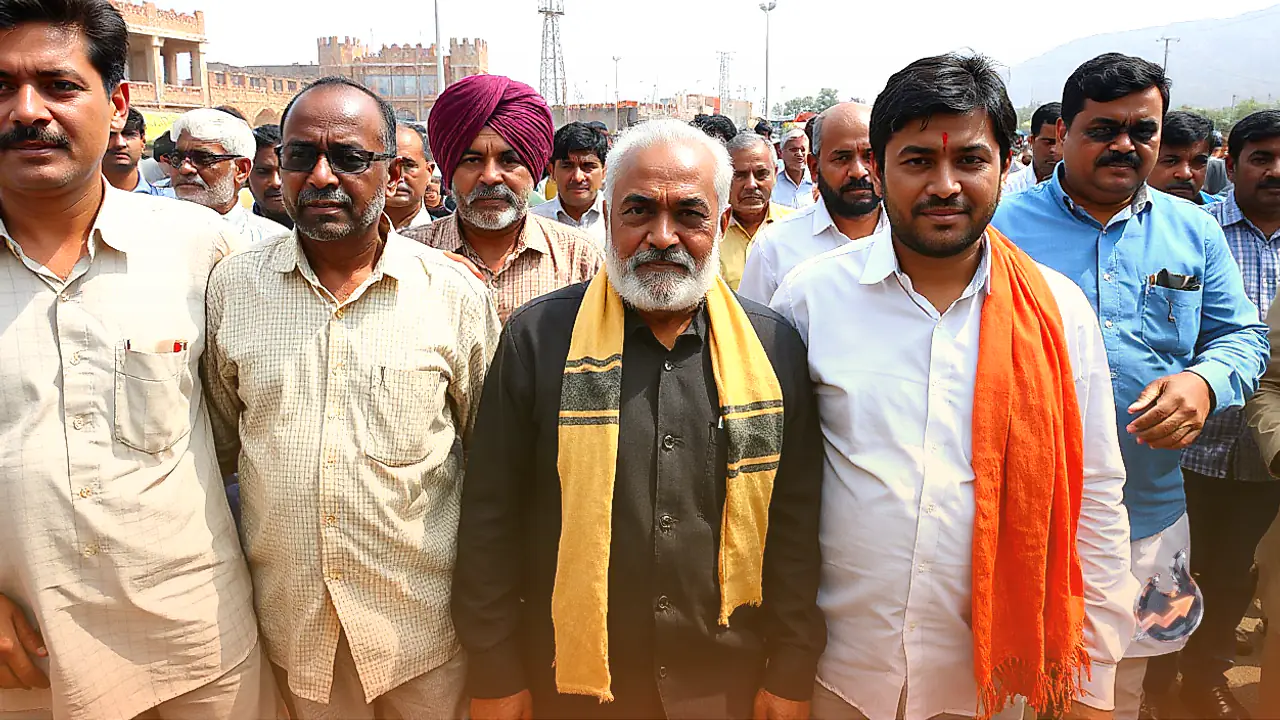

As political maneuvering begins to take shape ahead of the 2027 Uttarakhand Assembly elections, public perception regarding the state's leadership has started coming into sharper focus. Although the state polls are still some time away, discussions around the preferred candidate for the chief minister's post have gathered momentum among voters and political strategists alike. According to the latest public opinion survey examining leadership preferences in the state, incumbent Chief Minister Pushkar Singh Dhami has emerged as the top choice among respondents, securing the support of 42 percent of those surveyed.
Statistical Breakdown of Chief Ministerial Preferences
A granular look at the survey metrics highlights a competitive dynamic regarding the top executive post in Uttarakhand. While 42 percent of survey participants expressed their preference for Pushkar Singh Dhami continuing at the helm, 35 percent of respondents favored the second primary option presented in the survey. This reflects a gap of 7 percentage points between the current chief minister and the alternative leadership choice. The narrow margin indicates that public preference is not entirely unified, demonstrating substantial support for an alternative leadership face across different voter segments.
The Undecided Voter Base and its Electoral Significance
One of the most notable findings of the survey is the sizable segment of voters who remained neutral or undecided on the leadership question. A significant 23 percent of respondents stated that they either did not know or had no comment regarding their preferred chief ministerial choice. Political observers view this 23 percent undecided block as a key swing factor for the 2027 elections. How political parties engage with this undecided cohort over the coming years could significantly alter the political equilibrium and influence the eventual electoral outcome.
Key Socio-Economic Issues Framing the 2027 Contest
Beyond the chief ministerial face, the 2027 Uttarakhand Assembly elections are expected to center around critical developmental and social challenges facing the hill state. Youth employment opportunities, persistent migration from mountain districts, healthcare infrastructure, quality public education, and road connectivity stand as paramount voter concerns. Additionally, sensitive issues such as the Ankita Bhandari murder case and broader governance metrics are anticipated to feature prominently in campaign narratives and public debates leading up to voting day.
Strategic Implications for the Ruling BJP and Opposition
The survey results present distinct strategic imperatives for both the ruling party and opposition groups in Uttarakhand. For the Bharatiya Janata Party, which currently governs the state under Pushkar Singh Dhami's leadership, the challenge lies in leveraging government achievements, policy initiatives, and stability to consolidate its voter base. Conversely, opposition parties will seek to capitalize on public concerns regarding employment, migration, and governance, while positioning a credible alternative to challenge the incumbent administration. While a 42 percent rating indicates initial leadership preference, it serves as an early indicator of voter sentiment rather than a definitive prediction of election results.