




















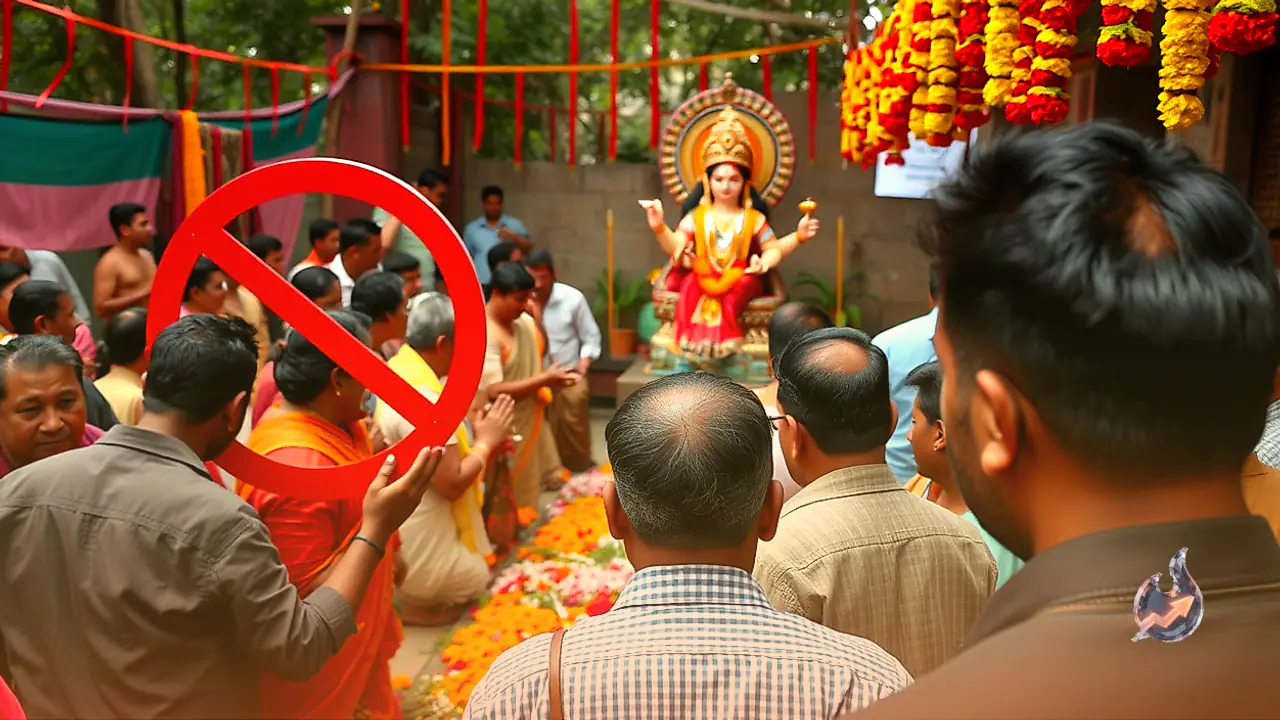

In Sanatan tradition, presenting fresh blossoms to deities during daily prayers holds exceptional spiritual significance. According to classical scriptures and Vastu principles, presenting divine entities with their favored flowers elevates the spiritual merit of devotion. Conversely, canonical guidelines explicitly prohibit certain flowers and ritual offerings for specific deities. Offering inappropriate items, even inadvertently, is believed to disrupt the sanctity of the ritual. In this context, according to Acharya Indu Prakash, adhering to traditional restrictions concerning floral colors, fragrances, and sacred materials is vital for conducting an authentic ritual.
Floral Preferences and Color Significance for Different Deities
Both Vastu shastra and religious tenets emphasize the spiritual vibrations carried by the hues and natural fragrance of flowers. Lord Vishnu, the preserver of the universe, is deeply associated with the color yellow, making yellow and white blooms his most cherished offerings. On the other hand, traditional worship practices mandate the offering of red blossoms to Surya Dev, Lord Ganesha, and Bhairava. For Lord Shiva, pristine white flowers hold supreme importance. Aligning floral selections with the specific color preferences of each deity is believed to harmonize spiritual energy during devotion.
Offerings Strictly Prohibited for Lord Vishnu
Devotional texts outline rigorous boundaries regarding what may and may not be offered to Lord Vishnu. While raw rice grains, known as akshat, serve as an indispensable element in most sacred rites, offering akshat to Lord Vishnu is traditionally forbidden. Furthermore, devotees must completely avoid offering flowers of madar and dhatura to Vishnu. Although dhatura and madar are revered offerings in the worship of Lord Shiva, they are entirely inappropriate for Vishnu. Maintaining awareness of these specific boundaries prevents accidental deviations from traditional liturgical protocol.
Flowers Devotees Must Never Offer to Goddess Durga
Rigid rules govern the worship of Goddess Durga regarding botanical offerings. Religious tradition dictates that devotees must refrain from presenting doob grass, madar, harsingar, bael leaves and flowers, as well as tagar to the Divine Mother. In addition, an important guideline applies to flower buds: while buds of lotus and champa are permitted, offering buds of any other flowering variety is strictly forbidden. Broader scriptural customs also catalog flowers such as katsaraiya, nagchampa, and brihati as unsuitable for divine worship across traditional altars.
Purity and Faith Remain Paramount in Sacred Rites
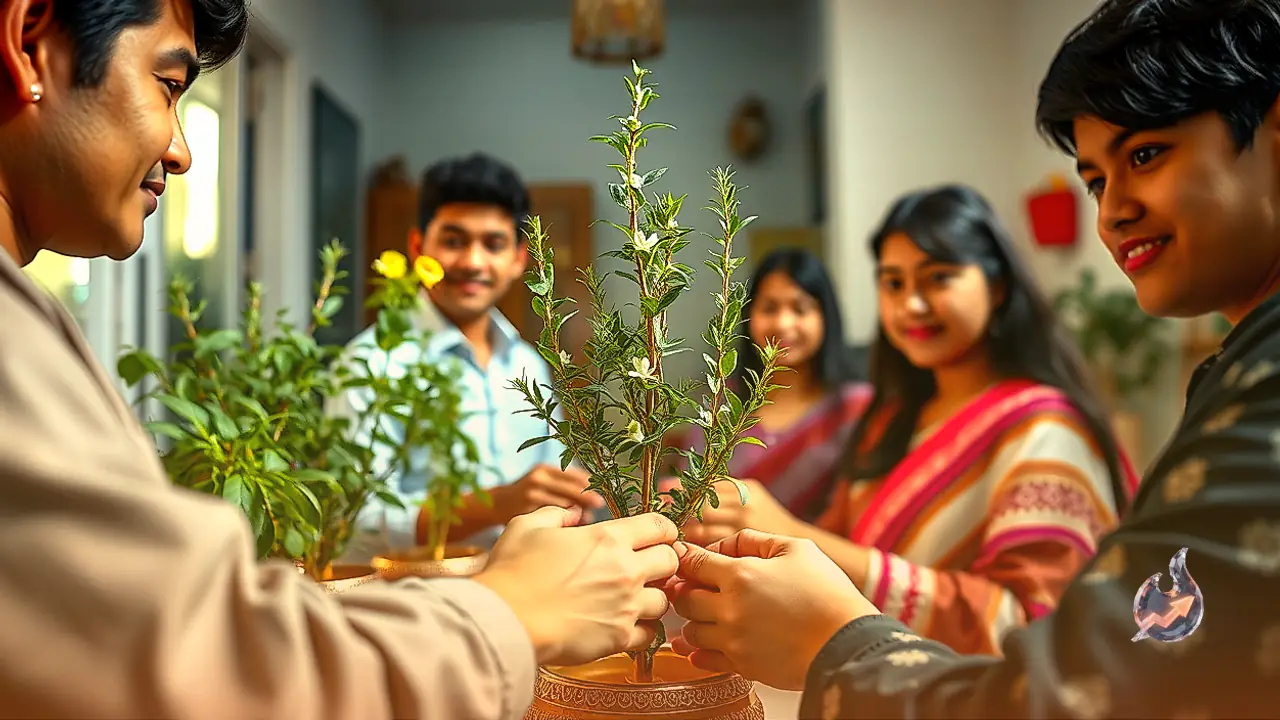
Beyond external rituals, deep reverence, mental sanctity, and physical cleanliness form the true core of worship. When selecting flowers for divine offerings, practitioners should ensure that the blooms are clean, unblemished, and aligned with canonical conventions. While minor customs may vary across different geographical territories and spiritual lineages, adhering to established sacred boundaries helps maintain order and solemnity in personal worship.