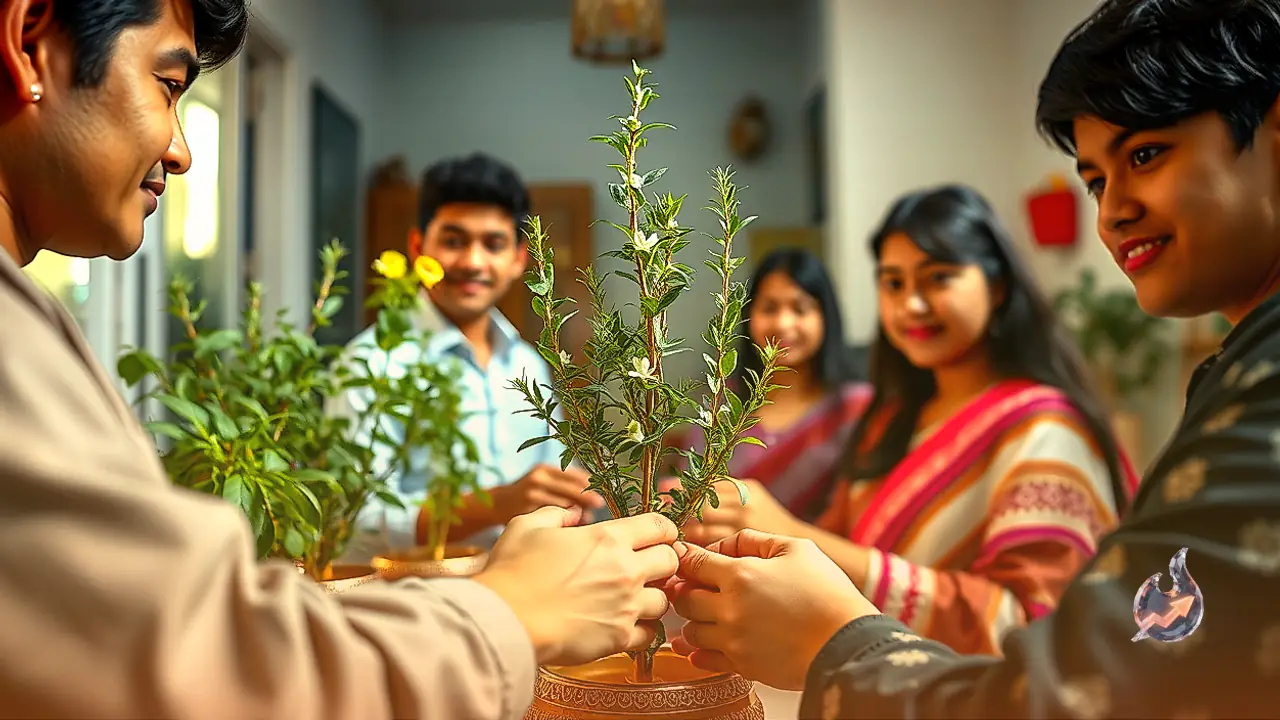























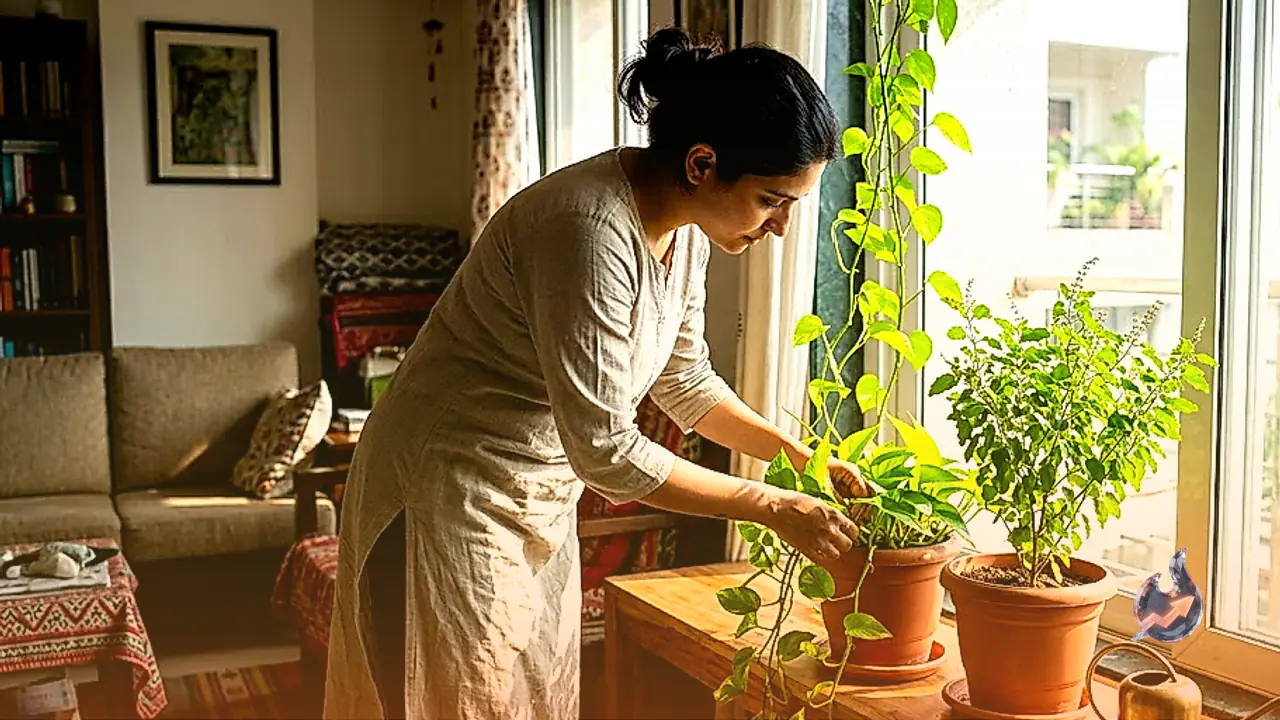

Indoor and outdoor plants not only beautify living spaces but also bring mental peace and serenity to the mind. According to traditional and Vastu Shastra beliefs, certain plants are closely tied to prosperity, mental tranquility, and overall growth. Based on Vastu Shastra guidelines, placing the right plants in appropriate spots can help cultivate a deeply positive atmosphere at home. Let us explore these special plants that hold immense significance in Vastu traditions and are believed to influence various aspects of life.
Pomegranate Plants and Aparajita Vines
According to beliefs rooted in Vastu principles, planting a pomegranate shrub is often associated with the aspiration to overcome financial distress and debt burdens. Having it around the home is traditionally believed to invite prosperity. Additionally, the Aparajita vine, known for its striking blue flowers, is strongly linked to wealth and abundance. Keeping this vine at home is believed to foster a cheerful environment while helping alleviate financial scarcity.
Spiritually and Astrologically Significant Trees
The religious importance of the Bel tree is deeply intertwined with the worship of Lord Shiva. Traditional customs consider this tree extremely auspicious for household premises, linking it to family prosperity and enduring happiness across generations. Similarly, astrological traditions view the sandalwood plant as significant for mitigating issues related to Rahu, while the Shami plant is valued for warding off obstacles associated with Saturn. The maintenance and reverence of these plants are carried out based on individual faith and dedication.
Medicinal Shrubs and Positivity Boosters
Nirgundi is traditionally recognized for its profound medicinal properties. In Vastu traditions, it is also connected to the desire to reduce domestic stress and maintain lasting peace within the household. On the other hand, bamboo is celebrated across many traditions as a powerful symbol of growth, resilience, and positivity. However, before introducing bamboo into a living space, one must carefully consider its specific species, required growing space, and maintenance needs.
Health, Success, and Auspicious Trees
Tulsi and Amla hold exceptional positions in Ayurvedic traditions, representing health and a deep connection with nature. Furthermore, hibiscus flowers are widely used in worship rituals, while certain beliefs link the plant to career success, heightened self-confidence, and favorable outcomes in legal matters. The coconut tree is viewed as a symbol of auspiciousness and respect, whereas the Ashoka tree is associated with tranquility and a positive environment. Nevertheless, planting these larger trees requires careful consideration of available space and their future growth requirements.