
Journalist Paris Marx examines the profound impact of data centers and generative AI in a new book titled “Hyperscale,” detailing how decades-old computing infrastructure rapidly transformed into a political and social flashpoint. The release coincides with a wave of grassroots resistance against these facilities, which analysts suggest influenced recent electoral outcomes.
The Unsustainable Buildout of Infrastructure
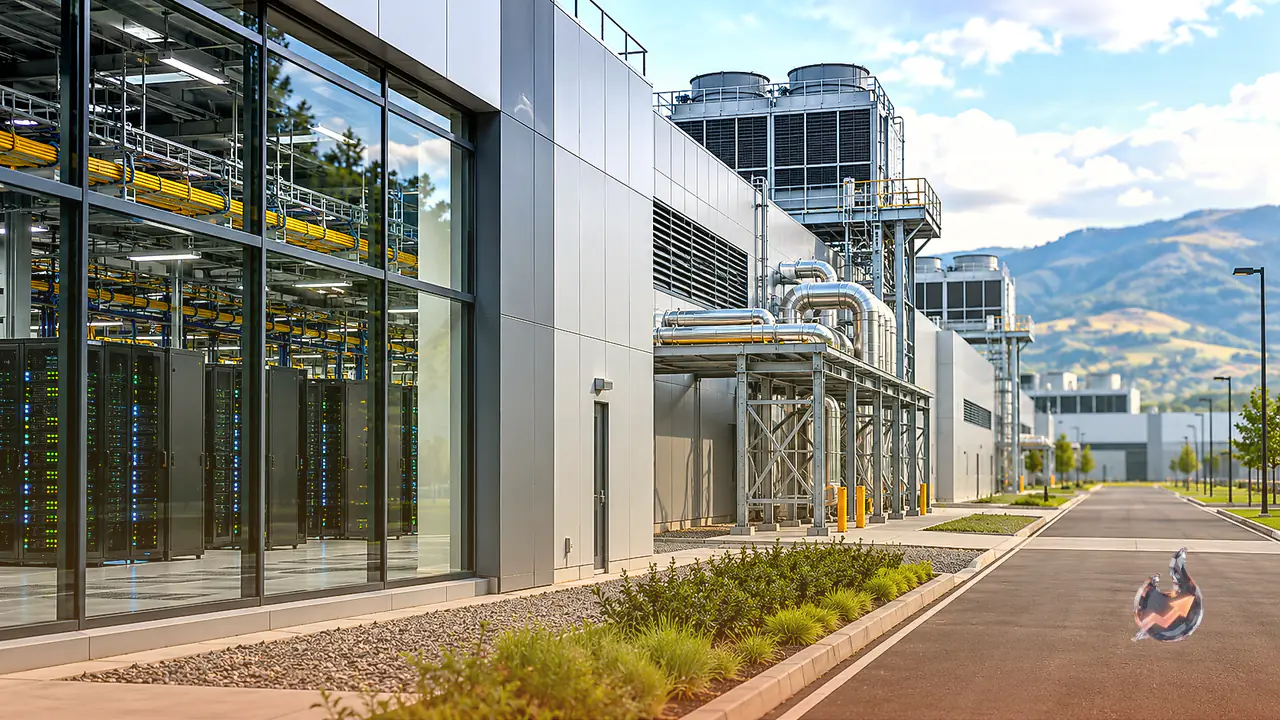
In discussions surrounding the book, Marx describes the massive wave of data center construction as fundamentally unsustainable and incompatible with environmental preservation. Because these facilities impose heavy physical footprints on local neighborhoods, they have become lightning rods for broader public frustration directed at major technology corporations.
Inside a Hyperscale Facility
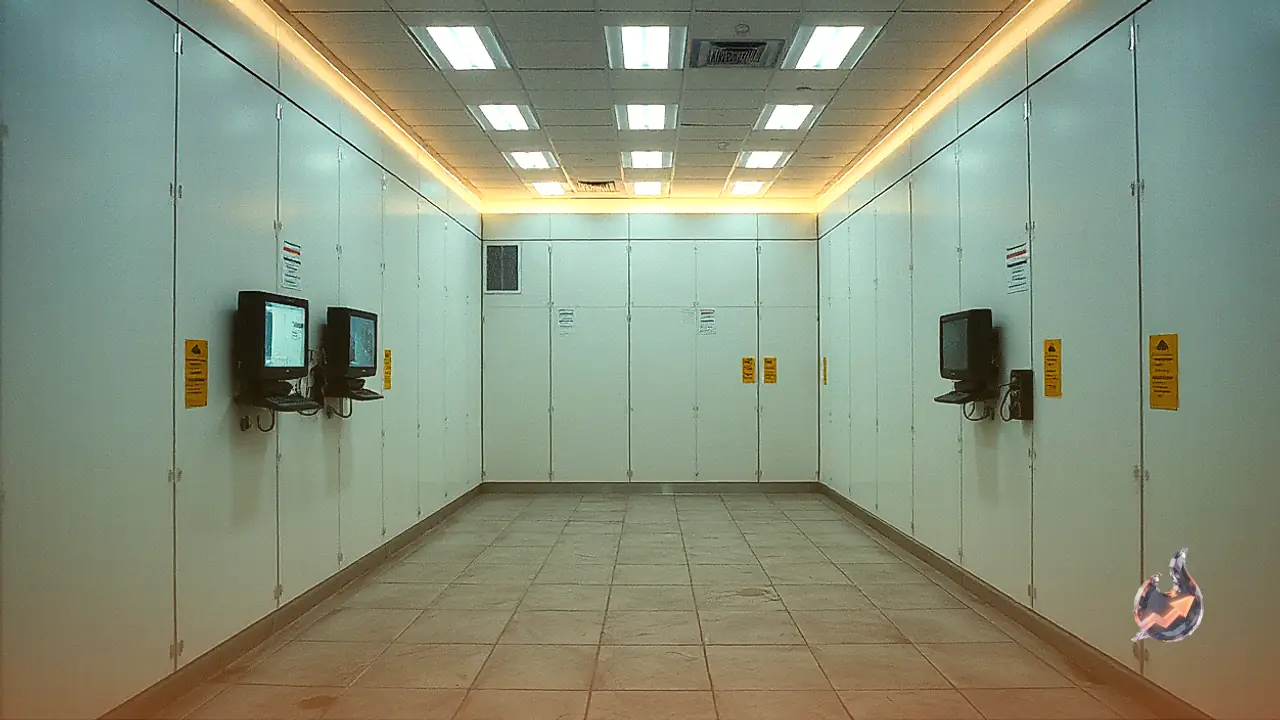
Gaining access to modern computing hubs required extensive effort, culminating in a tour of a facility in New Zealand after initial inquiries faced rejections. Security protocols proved exceptionally stringent, requiring advanced passport clearance and keycard access for nearly every internal doorway. Inside, the server rooms resemble utilitarian, high-noise environments driven by powerful cooling systems rather than cinematic depictions.
Resource Consumption and Grid Strain
The operational demands of these centers create severe strain on municipal resources, particularly regarding electricity and water allocation. In Ireland, computing infrastructure consumes over twenty percent of national electricity, prompting connection moratoriums around Dublin. Similar tensions arose in Santiago, Chile, and The Dalles, Oregon, where residents challenged corporate water usage agreements.
A Bipartisan Political Issue
Opposition to data center expansion cuts across traditional political divisions, uniting figures from diverse ideologies because the impacts manifest tangibly in daily life through elevated utility bills, water scarcity, and persistent mechanical noise. This physical friction contrasts sharply with the intangible nature of typical software services.
Corporate Adjustments and Future Outlook
Faced with mounting community pushback, major firms like Amazon and Microsoft pledged to eliminate non-disclosure agreements in municipal negotiations while exploring alternative cooling technologies. However, critics argue that these adjustments fail to address the core issue of unchecked expansion and questionable societal benefits derived from generative artificial intelligence.