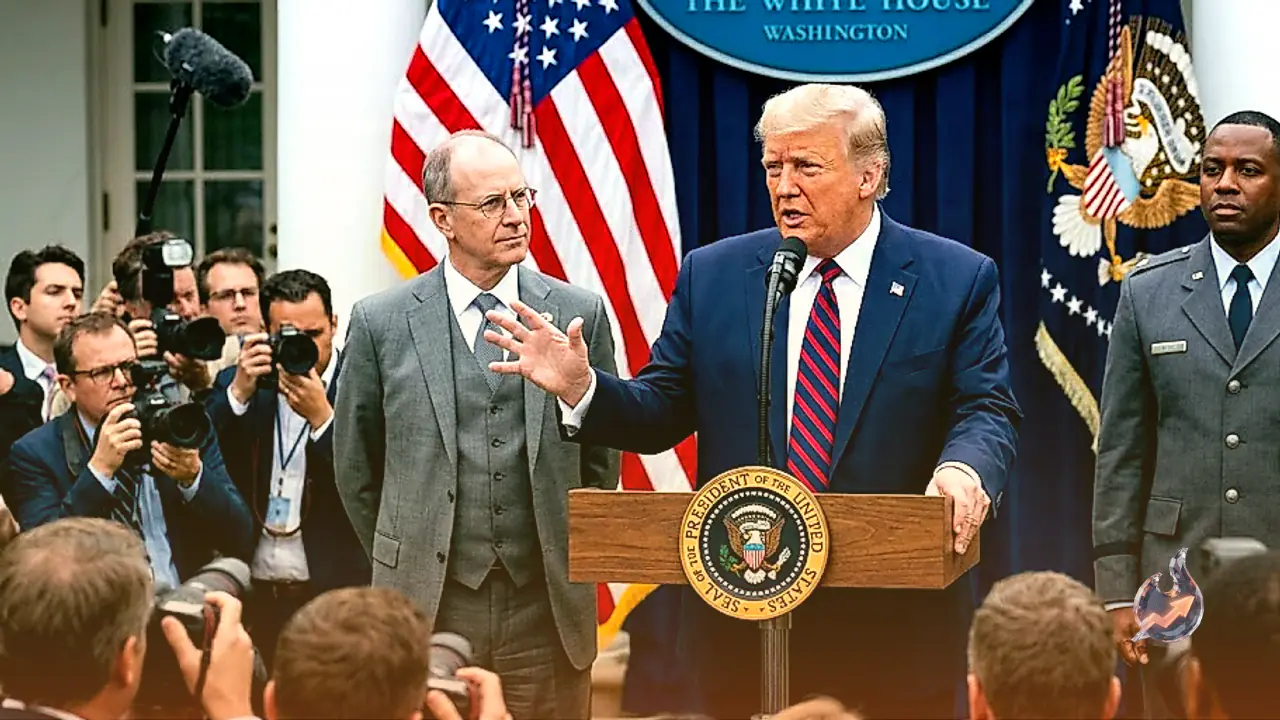






















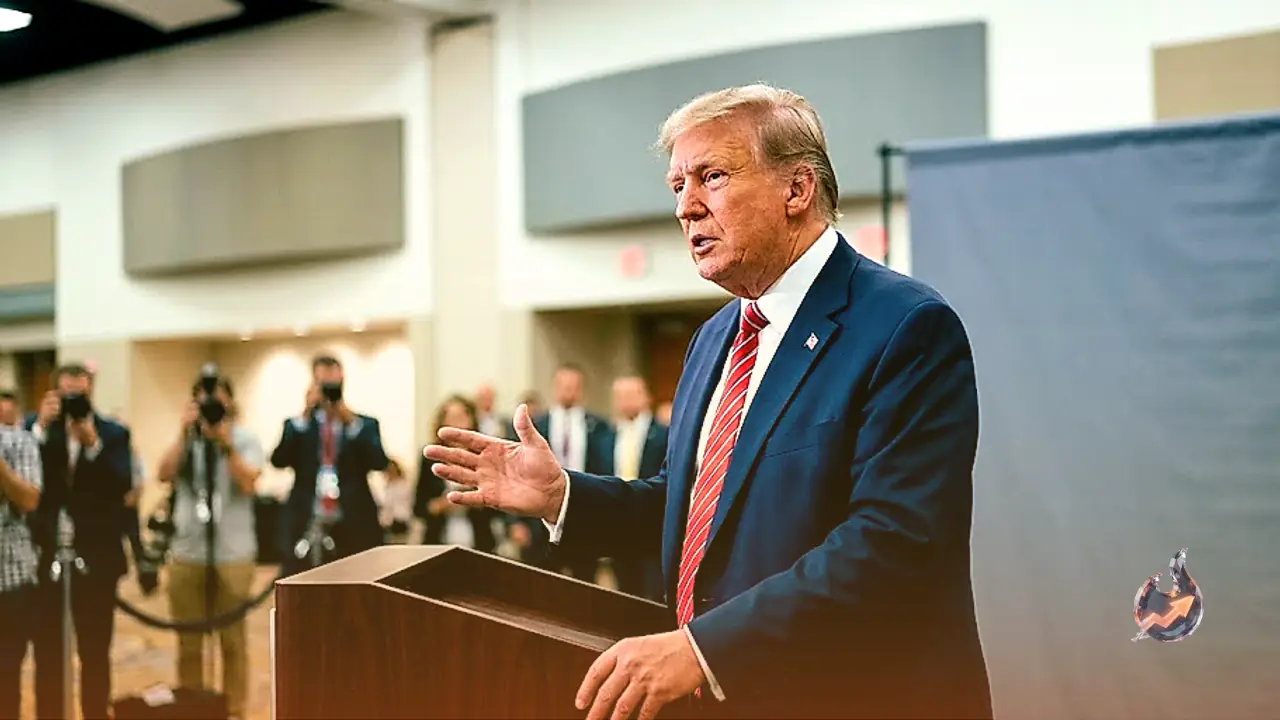

US President Donald Trump has made a major statement regarding military strategy and diplomatic engagement with Iran. Speaking at an event in Las Vegas, he revealed that the United States military was fully prepared to execute what would have been its largest offensive operation since World War II against Iran. However, the planned military action was halted after Tehran made a direct telephone call to offer diplomatic negotiations. According to the President, active discussions between the two nations are currently underway as Washington monitors the unfolding situation.
Preference for Diplomacy and Uncompromising Nuclear Red Line
Donald Trump emphasized that he would significantly prefer reaching a diplomatic agreement with Iran rather than engaging in further military action. He stated that while Washington continues to maintain intense pressure on Tehran, his primary motivation remains avoiding unnecessary loss of human life. The President highlighted his desire to strike a deal specifically to save lives, while simultaneously asserting a strict non-negotiable boundary. Washington will under no circumstances permit Tehran to build or acquire nuclear weaponry.
During his address, Donald Trump noted that recent US military measures have substantially weakened Iran's strategic posture. He asserted that Tehran now holds clear respect for American authority. Criticizing previous US administrations, the President stated that past leaders failed to take necessary actions that should have been executed long ago regarding Iran's nuclear capabilities, reaffirming that stopping Tehran from acquiring nuclear capabilities remains a paramount security priority.
Parallels with Venezuela and Evolving Strategic Signals
Drawing a direct comparison, Donald Trump likened the current approach toward Iran with past US military and diplomatic actions taken in Venezuela, claiming that Washington successfully secured advantages in both scenarios. He underscored that while a massive military blueprint had been fully arranged, the operation was stood down immediately upon receiving Iran's initiative for dialogue. These comments follow days of mixed public communications from Washington, which previously fluctuated between threatening direct strikes and expressing confidence about an impending diplomatic settlement.
Iran-Oman Negotiations on the Strait of Hormuz
Simultaneously, key regional developments are taking place across the Middle East. As Donald Trump delivered his remarks in Las Vegas, Iranian Foreign Ministry Spokesman Esmaeil Baghaei stated that a bilateral agreement between Iran and Oman concerning the Strait of Hormuz has reached its final drafting stages. The Strait of Hormuz represents one of the world's most critical maritime choke points for global crude oil shipments, carrying a significant portion of international energy trade.
According to Esmaeil Baghaei, a formal joint statement between Tehran and Muscat will be announced shortly, provided that certain outside parties do not interfere with the process. The spokesman's remark was widely viewed as a clear reference to the United States. Consequently, while Washington and Tehran maintain high level contact, Iran is also securing regional maritime frameworks with Oman to manage key waterways.