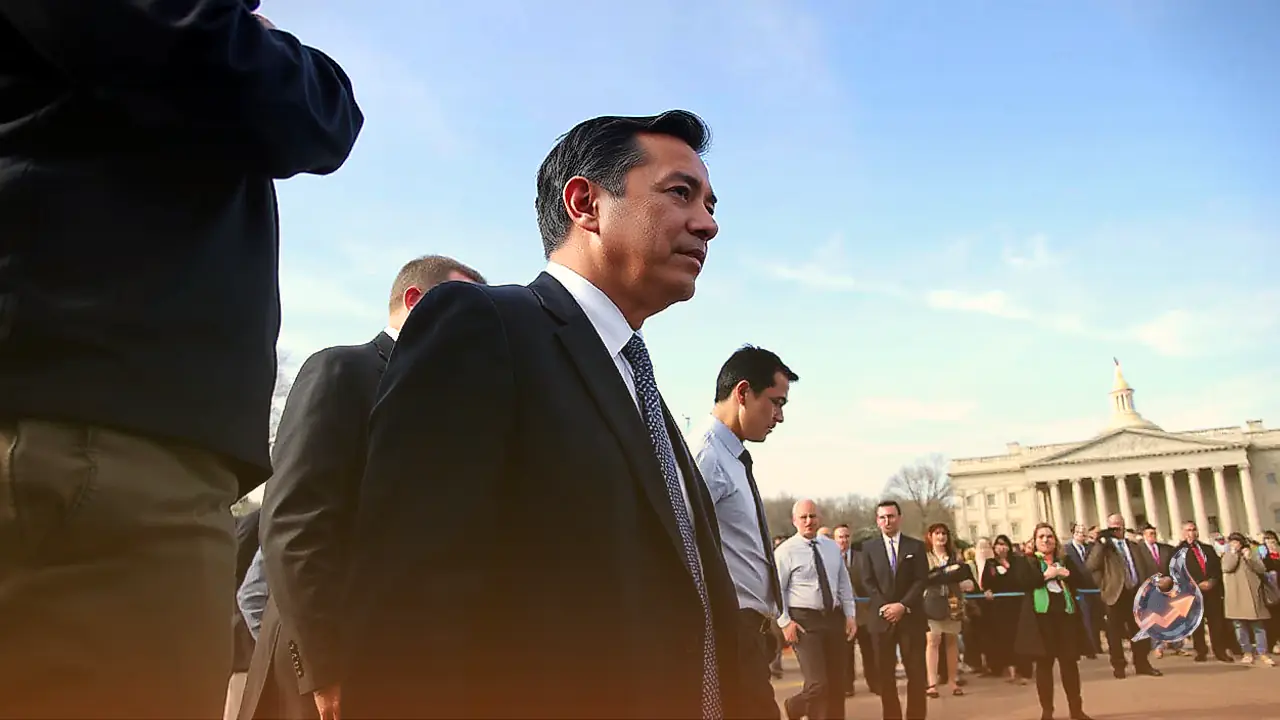

























Recent midterm election results in the United States and parliamentary votes in Israel have presented severe political challenges to the leadership of both nations. While US President Donald Trump’s Republican Party suffered a major defeat in the midterms, Israeli Prime Minister Benjamin Netanyahu’s right-wing coalition failed to retain its parliamentary majority. With both countries actively engaged in military strikes against Iran, these domestic political shifts have raised fundamental questions regarding the future direction of the military campaign and broader strategic alignment in the region.
Democratic Control of Congress and Constraints on US Foreign Policy
Following the outcome of the US midterm elections, the Democratic Party secured majorities in both chambers of the United States Congress, namely the House of Representatives and the Senate. Observers view this voting pattern as a clear reflection of public dissatisfaction over the ongoing conflict with Iran and its fallout on domestic living costs. Under the US Constitution, Donald Trump remains the Commander-in-Chief, retaining core executive authority over foreign policy decisions and military deployments. Nevertheless, an opposition-led Congress holds substantial leverage to intensify oversight through congressional hearings, budget approvals, and legislative pressure, even though lawmakers cannot issue direct executive commands to immediately cease military operations.
Stalled Mandate in Israel and the Coalition Dilemma
In Israel, the parliamentary elections held on October 27 left Prime Minister Benjamin Netanyahu in a precarious political position. His right-wing coalition failed to secure the 61-seat threshold required for a majority in the 120-member Knesset. Concurrently, the opposition coalition headed by Gadi Eisenkot also fell short of the numbers needed to form a ruling government. Israeli President Isaac Herzog has formally accepted the election outcomes and initiated consultative talks with political factions to explore coalition possibilities. Until a definitive governing coalition takes shape, Benjamin Netanyahu continues to hold office in a caretaker Prime Minister capacity, an arrangement that directly impacts decision-making on long-term security policies.
Economic Strain, Energy Prices, and Voter Discontent
The eight-month-long military confrontation involving the US, Israel, and Iran has exerted tremendous strain on global energy markets. Disruptions in energy exports from the Gulf region have led to sharp spikes in crude oil, petrol, diesel, and CNG prices across international markets. Citizens have faced escalating living costs and broader economic inflation, factors that heavily influenced voter sentiment against the ruling party in the US. The political deadlock in Jerusalem and ongoing coalition negotiations in Israel are similarly expected to alter strategic calculations regarding future engagement or containment measures against Tehran.
Doha Talks, Hormuz Proposal, and Khamenei's Escalation Warning
On the diplomatic front, discussions in Doha have introduced potential avenues for de-escalation. Iranian representatives proposed that Tehran could reopen the vital Strait of Hormuz within two days and resume formal peace talks with Washington, contingent upon the United States accepting specific Iranian conditions. Addressing these developments, US Secretary of State Marco Rubio noted that dialogue is occurring across multiple channels and confirmed that the US remains open to a diplomatic resolution. Iranian Foreign Minister Abbas Araghchi likewise signaled a willingness to pursue diplomatic avenues. However, Iran’s Supreme Leader Mojtaba Khamenei delivered a stern warning, stating that any fresh military aggression by the US or Israel would provoke an unrestricted Iranian response without geographical boundaries. Shifts in Washington and Jerusalem increase pressure for negotiation, but military operations remain active while leaders adapt to their new domestic realities.