


















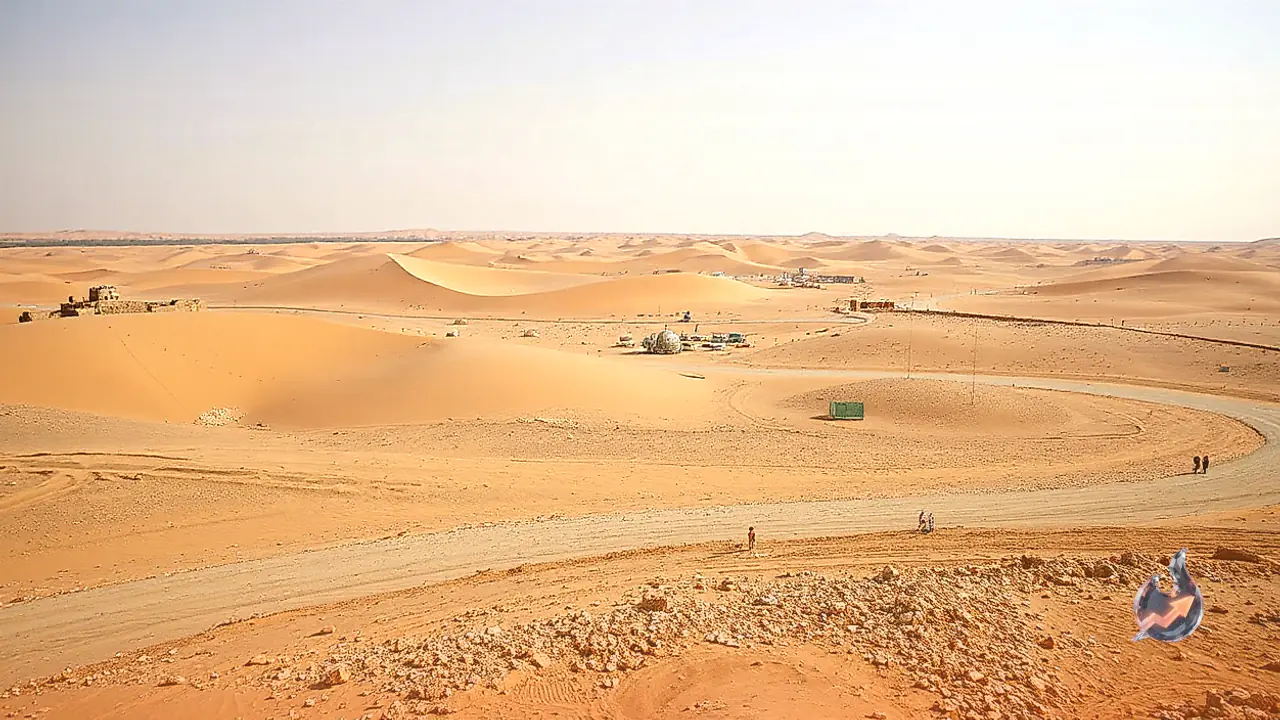

A high-stakes diplomatic showdown recently unfolded within the United Nations Security Council, where Russia utilized its veto power to block a contentious American resolution that was strongly backed by Western powers such as France and Britain. The core issue centered around the MINURSO United Nations peacekeeping mission operating in the disputed territory of Western Sahara in Africa. The United States had pushed for the mission's mandate to be extended, but with its operational framework tied directly to negotiations based on Morocco's 2007 autonomy plan. Despite securing 11 votes in favor, the resolution failed to pass due to Russia's firm opposition. This situation brought to light a fundamental question regarding how a single vote by Russia could halt an entire resolution supported by a clear majority of 11 nations. The answer lies within the unique mechanics of veto power held by the permanent members of the UN Security Council.
The Mechanics of Veto Power in the Security Council
The United Nations Security Council is composed of 15 member nations, among which five hold permanent status: the United States, Russia, China, the United Kingdom, and France. These five permanent members possess a special prerogative commonly known as the veto. For any standard resolution to pass within the Security Council, it must secure the affirmative votes of at least nine members. However, if any of the five permanent members casts a negative vote on a substantive matter, the resolution is instantly blocked. This means that even if 14 countries vote in favor, a single veto from a permanent member will prevent the measure from being adopted. This exact scenario played out over Western Sahara, where the US proposal garnered 11 supportive votes but was ultimately defeated by Russia's veto, demonstrating the absolute strength of the veto mechanism despite majority support.
Origins of the US Proposal and Western Sahara History
To fully understand this geopolitical dispute, one must examine the historical context of Western Sahara, a territory in North Africa claimed entirely by Morocco. On the opposing side, the Polisario Front demands the establishment of an independent state for the local population, backed by neighboring Algeria. Following Spain's withdrawal from the region in 1975, Morocco assumed control over a vast portion of the territory, triggering a prolonged conflict between Moroccan forces and the Polisario Front. A ceasefire was eventually brokered in 1991, leading the United Nations to establish the MINURSO mission. Its primary mandate was to monitor the ceasefire and facilitate a self-determination referendum enabling the people of Western Sahara to choose between independence or integration with Morocco. However, persistent disagreements over voter eligibility derailed the referendum, leaving it permanently stalled.
Morocco's Autonomy Plan and Russian Objections
In 2007, Morocco introduced an autonomy plan proposing that Western Sahara be granted local self-governance under Moroccan sovereignty. The recent US resolution sought to endorse this framework as the most pragmatic basis for resolving the long-standing dispute. Furthermore, the proposal intended to rename MINURSO to the United Nations Mission in Western Sahara and alter its functional scope. This meant the mission would continue for another 35 years, but its original objective of organizing a referendum would be replaced by a revised political role focused on negotiated autonomy. Russia vehemently opposed this shift, arguing that the resolution prematurely legitimized Morocco's plan as the definitive solution, thereby undermining the self-determination rights of the Sahrawi people. Moscow maintained that imposing a settlement based on one party's specific conditions was fundamentally unacceptable.
Reactions and Frustration from France and Britain
Both France and Britain voted in favor of the American resolution, aligning with Washington's diplomatic stance. France viewed the Western Sahara issue through the lens of Moroccan sovereignty and threw its weight behind Rabat's autonomy proposal. Similarly, Britain described the 2007 plan as the most credible and viable foundation for a lasting settlement. Following the Russian veto, both European nations expressed deep disappointment. London stated that the outcome dealt a severe blow to the Security Council's diplomatic efforts and jeopardized the deployment of the UN mission. Meanwhile, Paris accused Moscow of deliberately obstructing the ongoing negotiation process.
The Failure of the Russian Resolution and the End of MINURSO
Russia did not simply block the American proposal and leave the matter unresolved; it introduced a counter-resolution of its own. The Russian text proposed extending the MINURSO mandate for another year without any major structural changes, aiming to preserve the existing UN framework and encourage dialogue. However, Washington strongly opposed the Russian draft, which managed to secure only three affirmative votes while 11 nations abstained. Falling short of the required nine votes, the Russian resolution also collapsed. Consequently, both major proposals failed, creating a critical deadlock. By vetoing the US plan while failing to pass its own, Russia could not salvage the mission. The mandate of MINURSO officially expired on October 31, 2026, leaving the mission without operational authority heading into November 1.
Royal Directives and Administrative Steps in Morocco
Following the expiration of the UN mission's mandate, King Mohammed VI of Morocco convened a high-level meeting with senior officials in Rabat on November 4 to prepare for the new realities on the ground. During the session, the King outlined three core priorities: safeguarding national territorial integrity, maintaining internal security, and ensuring the protection of residents in Western Sahara. The monarch directed the Ministry of Interior to coordinate directly with the UN liaison office to manage the withdrawal of MINURSO personnel and the removal of its logistical assets, including vehicles and facilities. Morocco also reiterated its commitment to upholding the ceasefire and ensuring that ongoing regional development projects proceed without interruption.