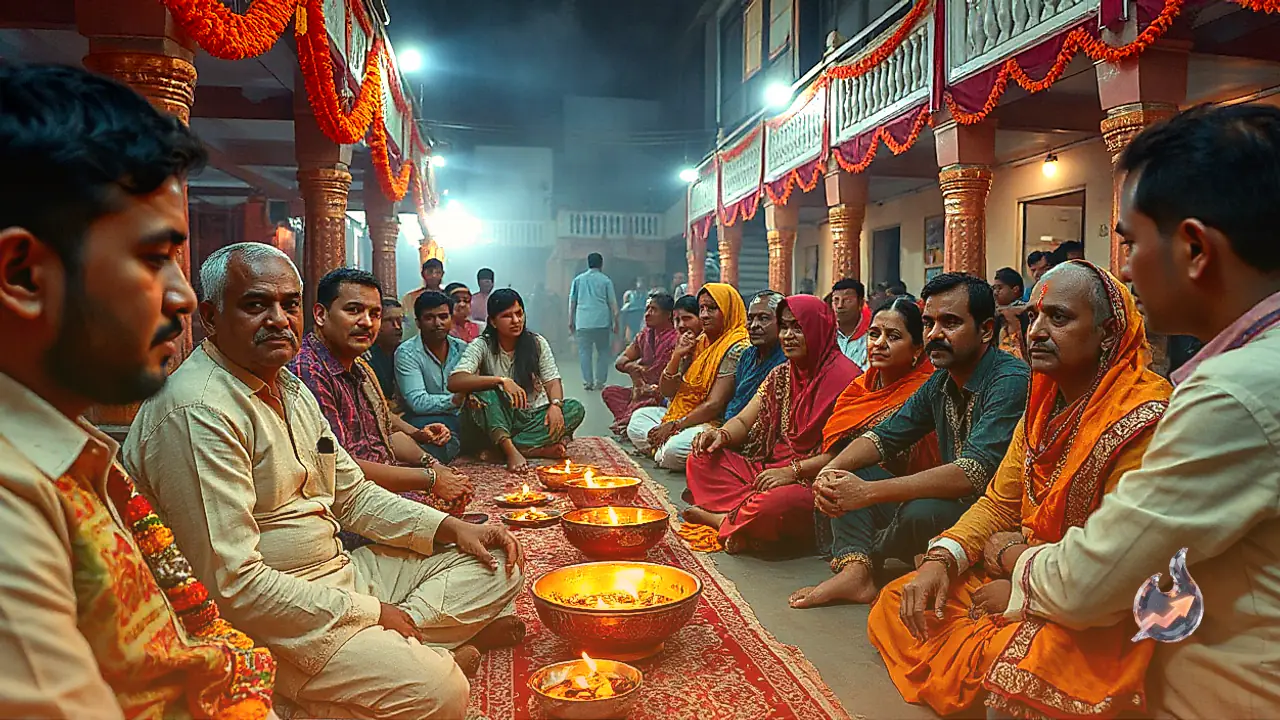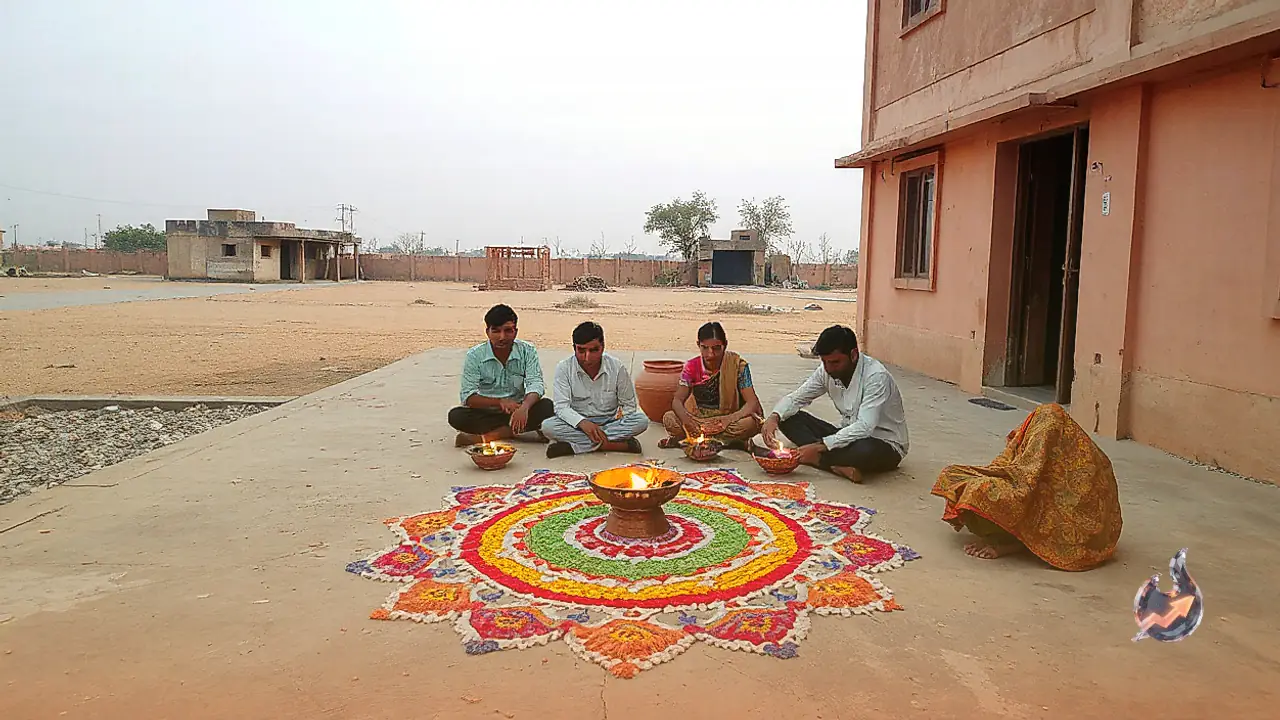


















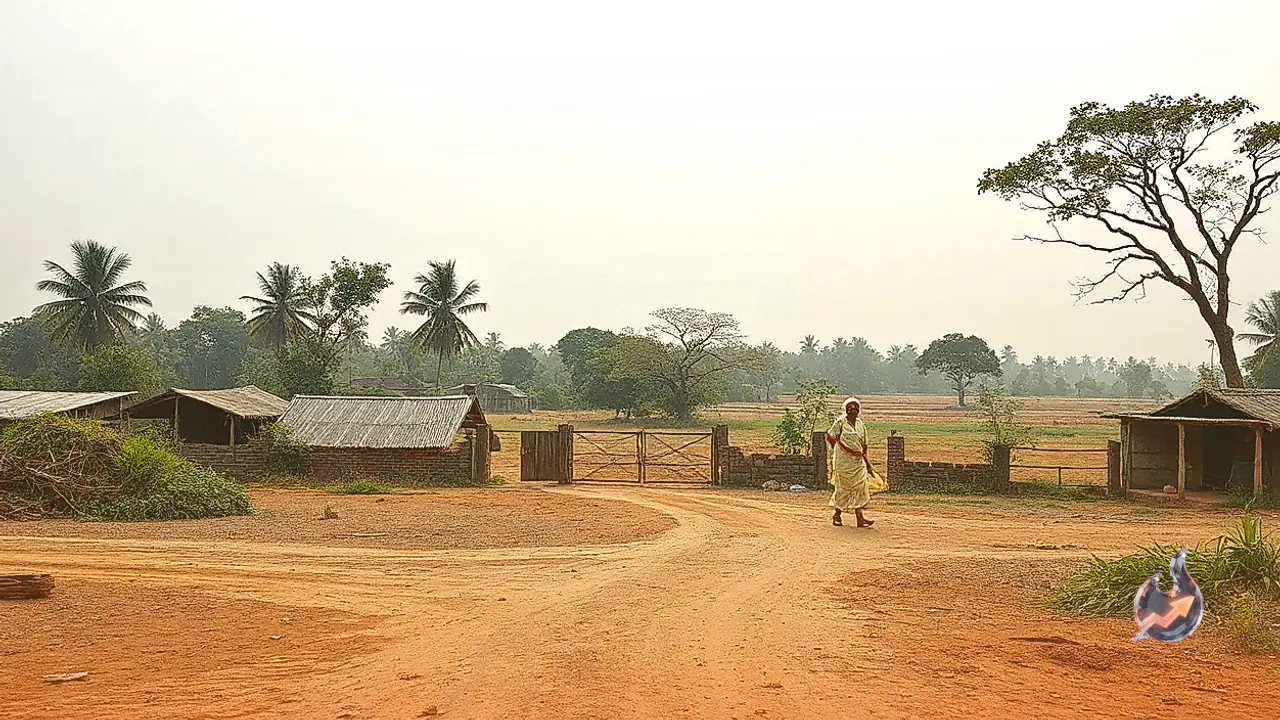

As Diwali approaches each year, markets across India fill with vibrant lights and firecrackers as people prepare to celebrate with sound and illumination. However, the scenario remains starkly different in the villages surrounding the Vellode Bird Sanctuary in Tamil Nadu's Erode district. For the residents of these hamlets, festive joy goes hand in hand with a deep responsibility toward the thousands of resident and migratory birds that seek shelter in the sanctuary. Continuing a long-standing tradition, local villagers once again celebrated a quiet and eco-friendly Diwali this year, completely avoiding loud and smoke-emitting firecrackers.
A Remarkable Blend of Tradition and Conservation
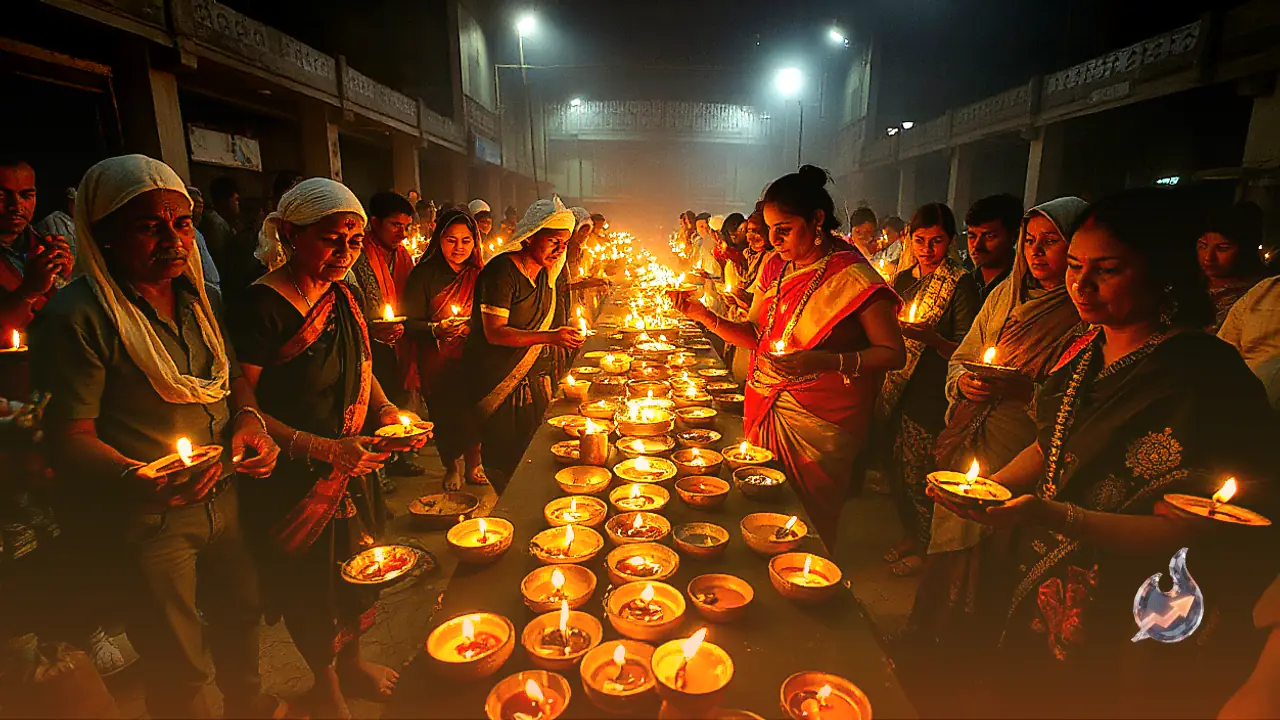
This heartwarming practice spans more than 10 villages situated in close proximity to the sanctuary. Marking their 21st consecutive year of this self-imposed ban, residents ensured that the festival of lights did not disrupt the avian population. People of all age groups participated enthusiastically. Families wore new clothes, decorated their homes with earthen lamps, exchanged festive greetings, and shared traditional sweets. To ensure children did not feel left out of the festivities, celebrations were limited to sparklers, which generate light without ear-splitting noise or dangerous chemical emissions.
For those residents or children who felt a strong desire to burst conventional crackers, arrangements were made to visit relatives living outside the sanctuary radius. By doing so, individuals satisfied their personal festive desires without disturbing the tranquil habitat of the sanctuary. Significantly, this community-driven effort is not enforced by any government order or judicial mandate. It stands purely as a voluntary initiative that has been passed down seamlessly from one generation to the next.
History and Ecosystem of Vellode Bird Sanctuary
Situated roughly 10 kilometers from Erode city, the Vellode Bird Sanctuary covers an expansive area of approximately 240 acres. Established in 1996 by the Union Ministry of Environment and Forests, it is recognized as one of 16 officially designated bird sanctuaries in Tamil Nadu. Unlike several other sanctuaries across the state that are enveloped by dense forest cover, Vellode's sanctuary thrives entirely around the historic Periyakulam Lake.
The lake serves as the primary lifeline for the sanctuary, providing a rich wetland ecosystem where birds find abundant food, clean water, safe nesting sites, and ideal breeding conditions. Because the sanctuary lacks a thick jungle barrier to muffle external sound, loud explosive sounds nearby can cause severe panic, disorientation, and stress among the bird population, making the villagers' noise-free tradition essential for their survival.
Haven for Rare Local and Migratory Species
Over the years, the sanctuary has become a crucial stopover and breeding ground for a diverse array of bird species. Notable avian visitors include the bar-headed goose and the black-tailed godwit, both known for their long-distance migrations. The wetland also attracts species such as the Eurasian spoonbill, spot-billed pelican, western marsh harrier, and blue-tailed bee-eater.
Typically, the peak season for bird arrival, nesting, and breeding at Vellode spans from March through October. Local villagers noted that bird sightings have been relatively lower this season, with only a limited number of local and migratory species currently visible near the lake. Despite the lower turnout, the community showed unyielding commitment to their 21-year commitment, maintaining total silence during the festive evening.
A Model of Community-Led Environmental Stewardship
The sustained success of this 21-year tradition illustrates that significant wildlife protection does not always require rigid enforcement or heavy penalization. When local communities take ownership of their immediate environment, cultural celebrations naturally adapt to protect biodiversity.
By instilling environmental awareness in children from an early age, elders in these 10 villages have nurtured a culture of empathy toward nature. Their peaceful Diwali celebration serves as a powerful model for sustainable festivities across India, proving that tradition and nature conservation can coexist in complete harmony.