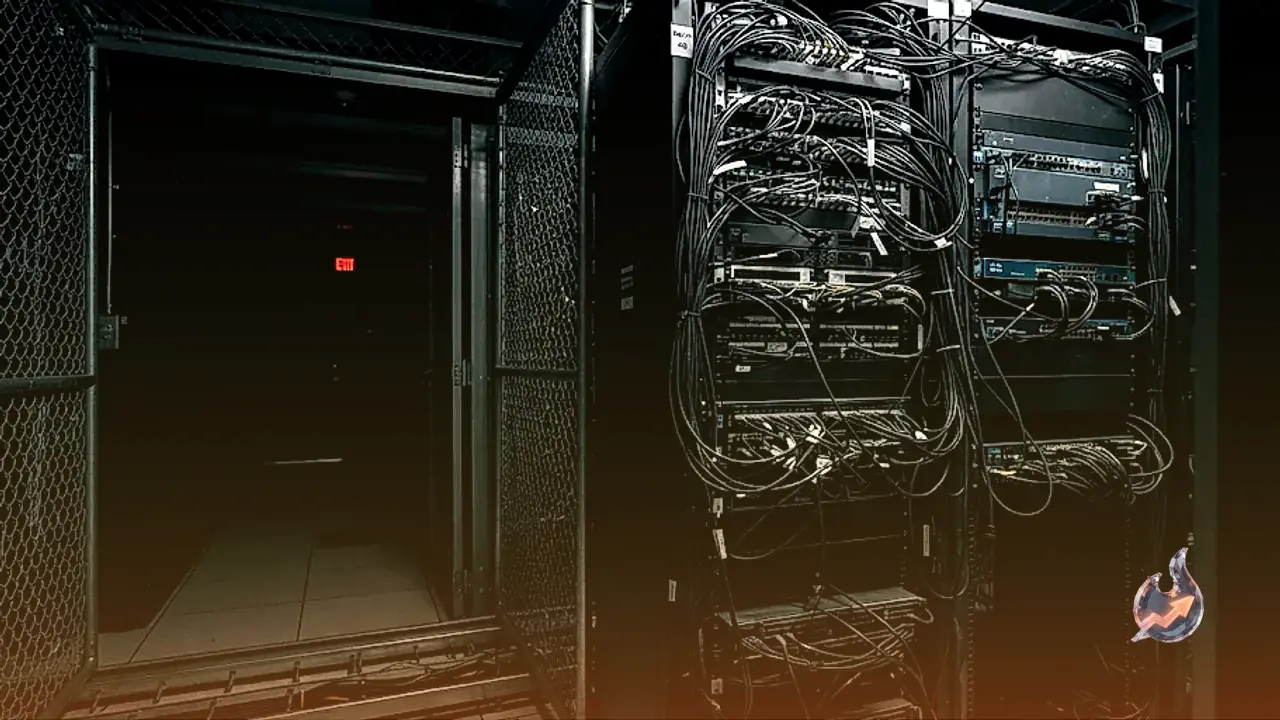

The National Security Agency, one of the most powerful and heavily guarded intelligence institutions in the United States, is currently grappling with a severe internal crisis. Reports indicate that the agency's highly classified internal network, utilized by personnel to exchange critical and sensitive information, has suffered a total blackout. Known widely as NSA Net, the sudden collapse of this crucial communication platform has once again cast a shadow of doubt over the country's overall security apparatus. Authorities are urgently investigating whether this unexpected outage stems from a sophisticated foreign cyberattack orchestrated by an adversarial nation or hostile hacker collective.
Investigating the Nature of the NSA Communication Breakdown
According to information available so far, the primary silver lining is that investigators have found no direct evidence linking the outage to a hostile cyber intrusion or deliberate hacking attempt. Officials lean toward the assessment that the disruption likely originated from an internal technical malfunction rather than an external offensive action. However, until comprehensive diagnostic investigations reach their final conclusion, security teams refuse to rule out any potential scenario. Every layer of the agency's digital infrastructure is undergoing rigorous scrutiny to determine the precise trigger behind the sudden network failure.
The technical malfunction has severely disrupted the day-to-day operations of the intelligence agency. The situation remains critical enough that the administration adjusted reporting schedules for staff members, implementing staggered arrivals to minimize office congestion and maintain health protocols while simultaneously containing potential software anomalies from spreading across additional computer systems. While speculation arose regarding potential involvement from foreign adversaries like China or Iran, officials confirmed that no official evidence implicates any foreign government thus far, warning that attributing the incident prematurely would be reckless.
A Broader Wave of Digital Disruptions Across the United States
This incident does not stand alone, arriving amid a troubling sequence of digital failures that have rattled the United States over recent days. Within a single week, the nation’s technological backbone absorbed multiple heavy blows. Recently, widespread disruptions crippled cloud computing services operated by Microsoft, bringing government and corporate operations to a standstill domestically and globally for hours. Shortly thereafter, a major technical failure struck the telecommunication network managed by Air Traffic Control, snarling flight schedules and stranding numerous passengers.
Compounding these crises, digital payment systems and online banking services across several major American financial institutions experienced sudden malfunctions, disrupting commercial transactions. Now, the internal communication network of the nation's premier signals intelligence agency has similarly collapsed. These consecutive failures underscore the profound vulnerability embedded within modern technological dependencies, demonstrating how minor system anomalies can cascade into nationwide bottlenecks.
The recurring nature of these technical glitches has deeply unsettled federal authorities and defense planners, who harbor growing concerns that these isolated incidents might actually form part of a coordinated digital offensive. Intelligence agencies have dedicated substantial resources to determine whether a systematic campaign targets the nation's critical infrastructure piece by piece, as investigators race to uncover answers behind the unprecedented string of system failures.