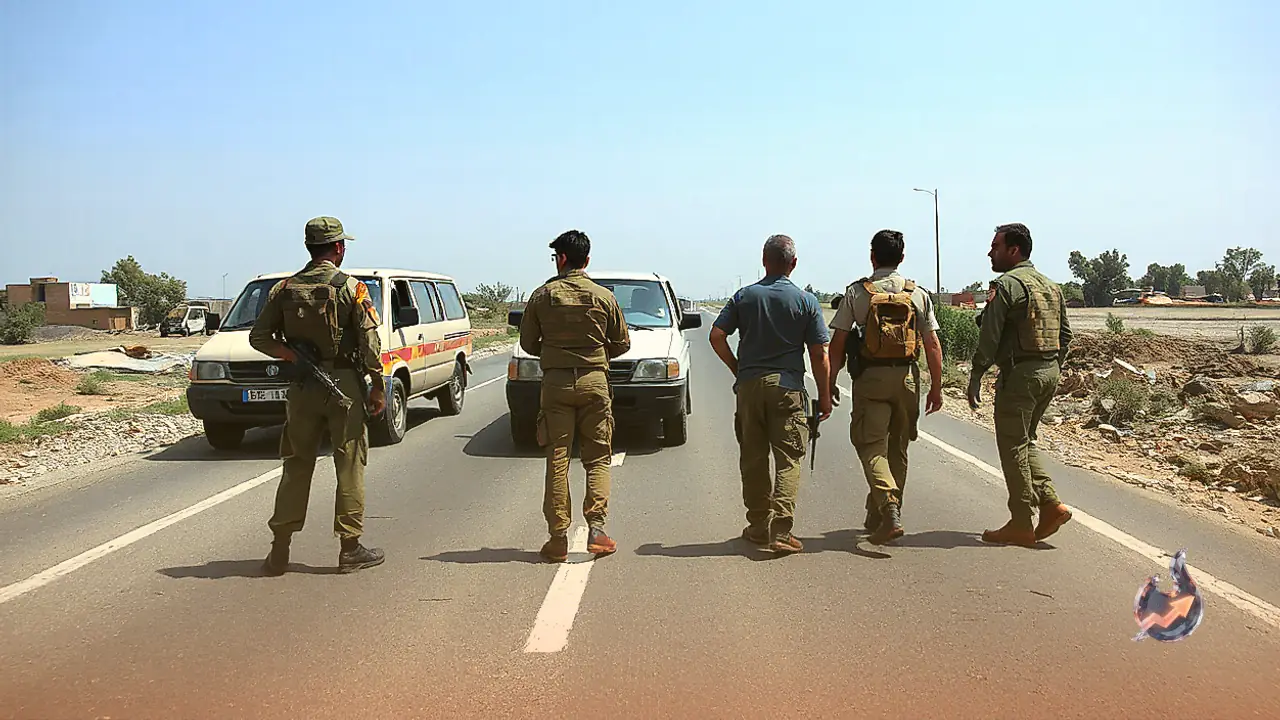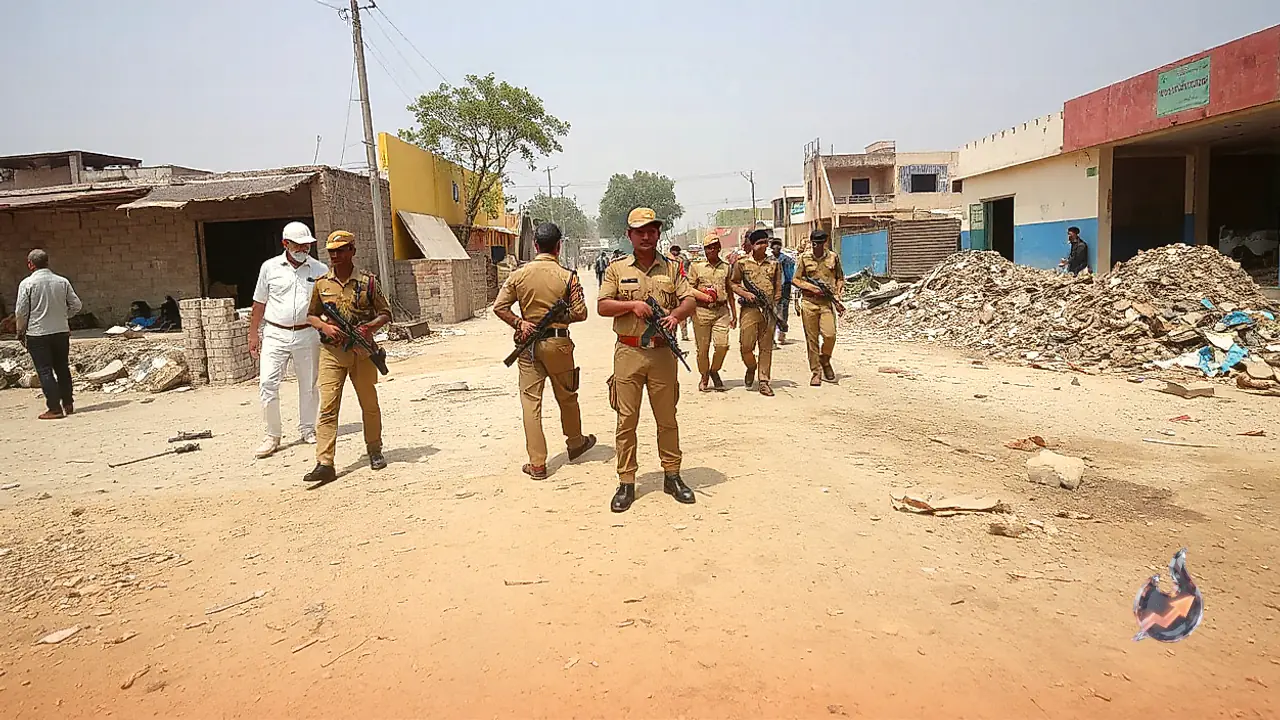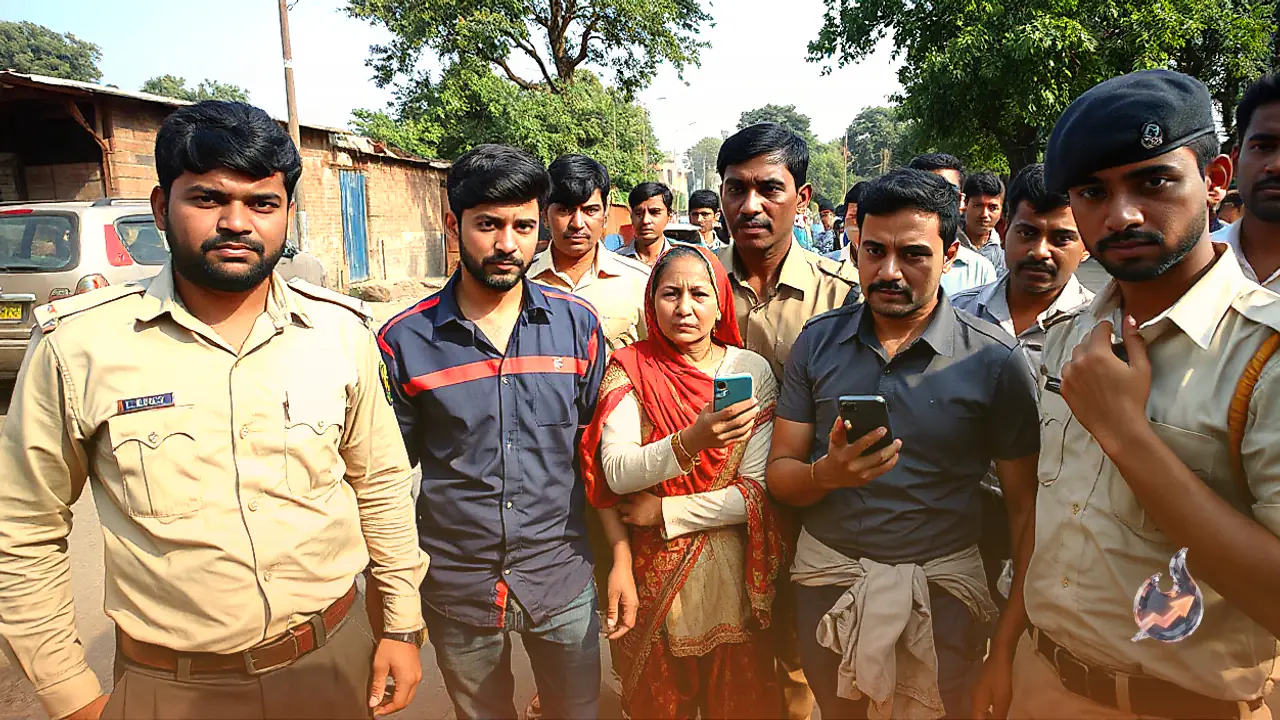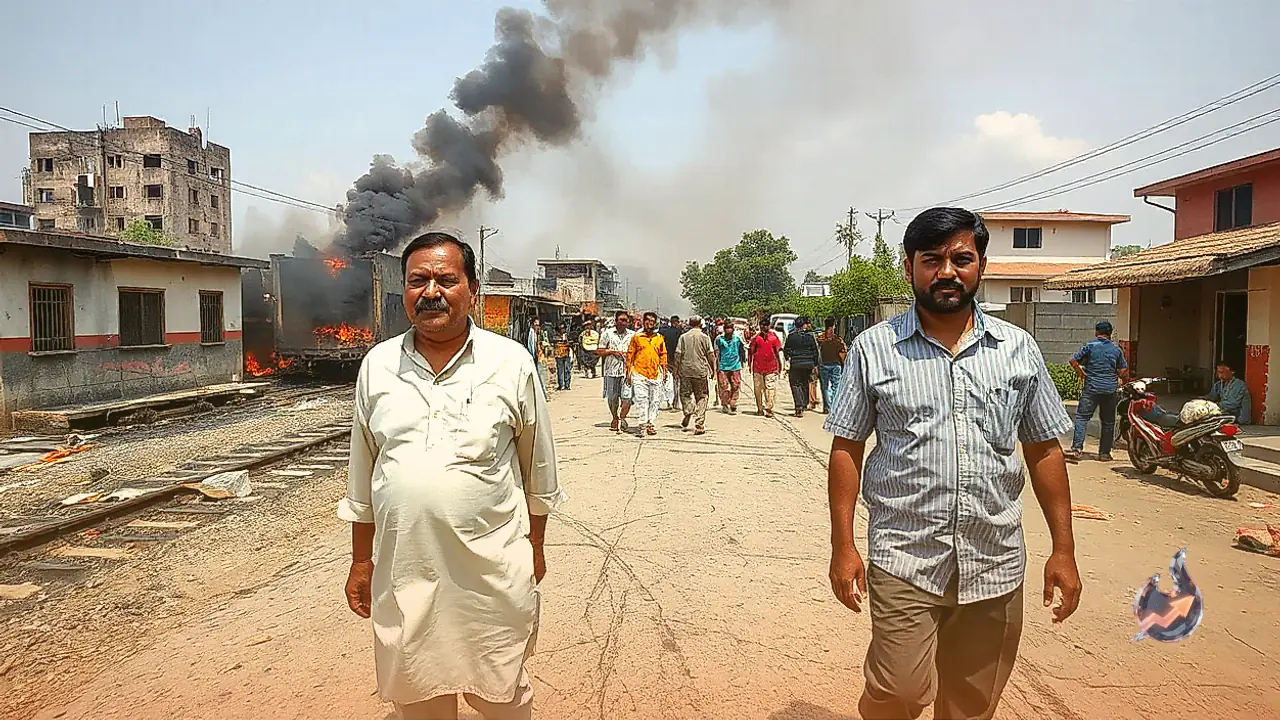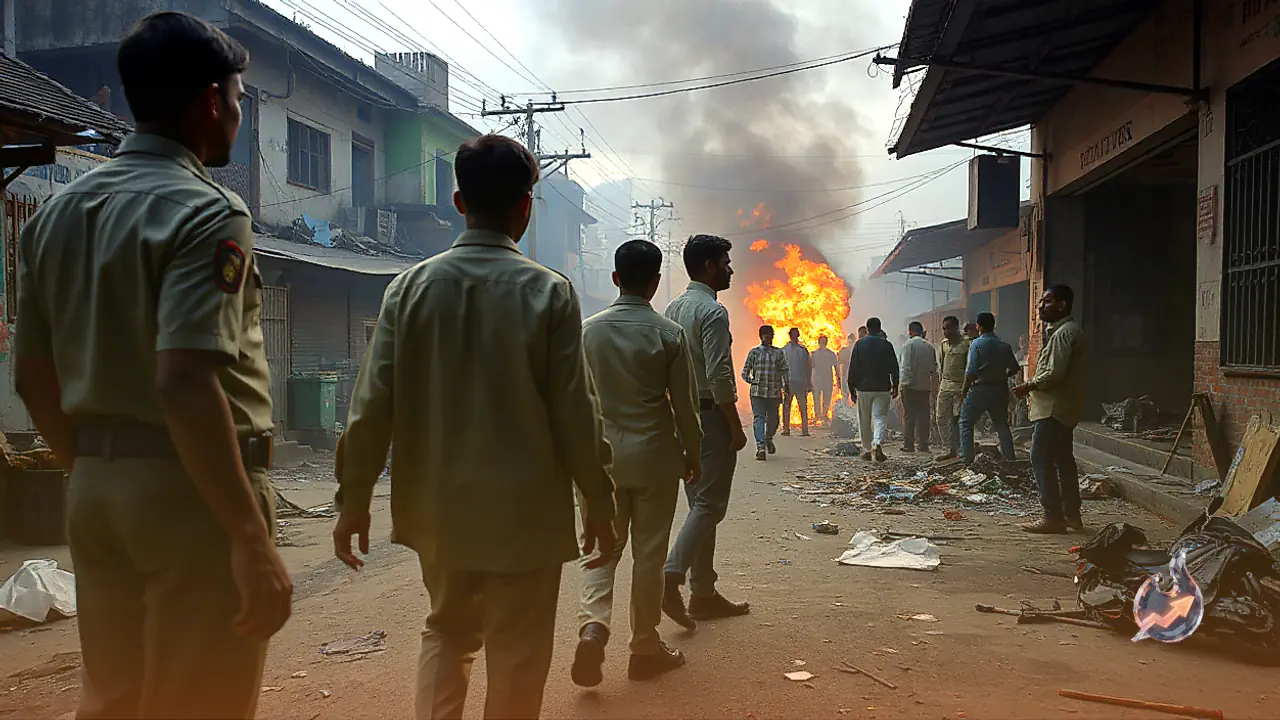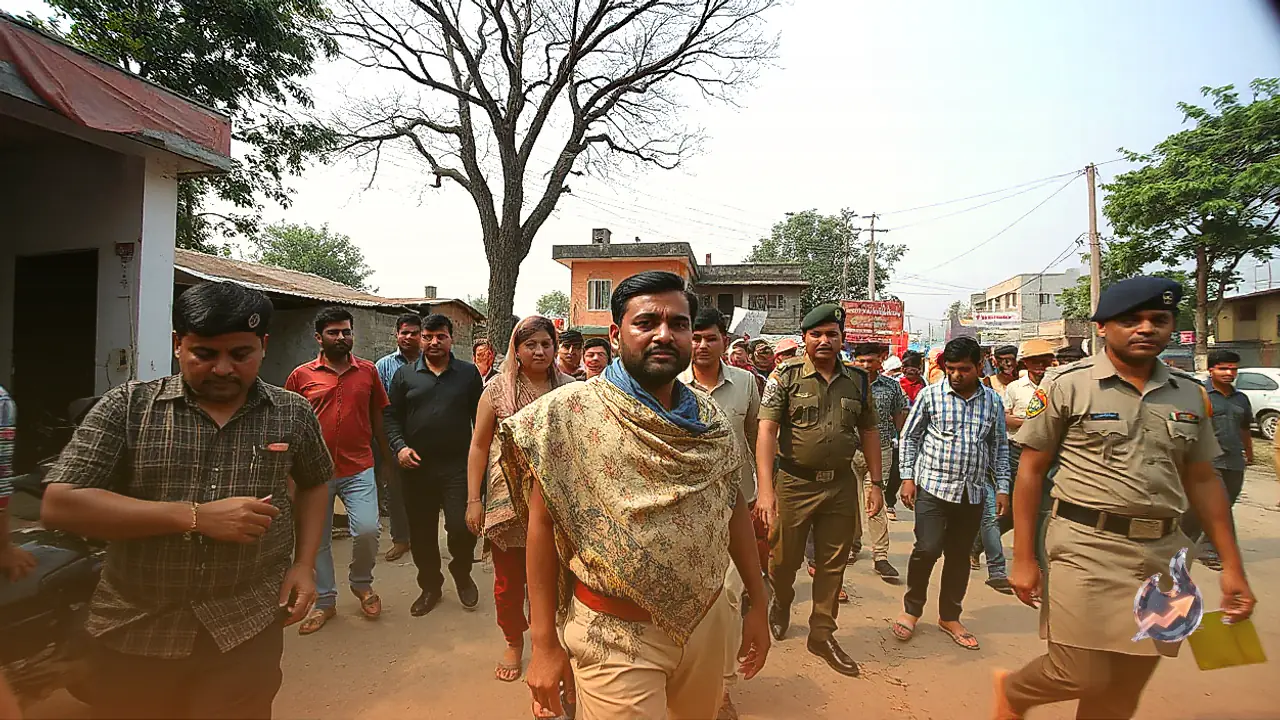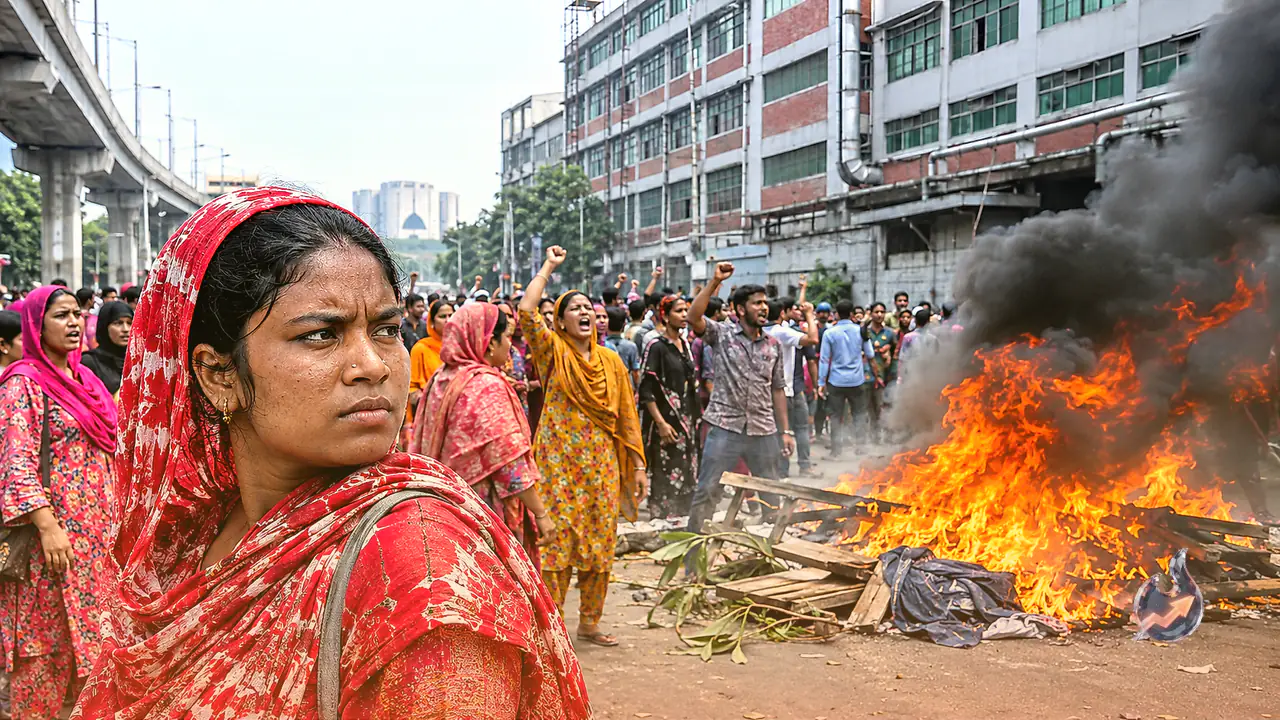

A volatile wave of unrest has gripped the capital city of Dhaka and surrounding industrial districts, driven by simultaneous outbreaks of industrial vandalism and intense political confrontations. Law enforcement agencies find themselves increasingly challenged as factory laborers take their grievances to public thoroughfares, targeting administrative personnel and government vehicles. Extensive property damage and arson attacks on production units forced authorities to suspend operations across 28 textile factories, with plant owners declaring that shifts will resume only after civilian peace is sustainably restored. Simultaneously, in the district of Gopalganj, demonstrations spearheaded by activists belonging to Sheikh Hasina's Awami League continued to rattle local administration, compounding the nation's multi-front administrative breakdown.
Rampant Arson and Political Clashes Inflame Narail
Outside the industrial perimeter of the capital, deep-seated partisan hostilities triggered severe destruction in rural settlements. The village of Bendorchar, situated within Kalia upazila of Narail district, became the flashpoint for sustained communal devastation. Commencing Friday afternoon and stretching past midnight, organized groups ransacked commercial storefronts and residential quarters before setting them ablaze. The destruction explicitly targeted real estate tied to Awami League functionaries and organizers, including the private residences of former Member of Parliament BM Kabirul Haque Mukti, former Kalia municipality mayor Mushfiqur Rahman Litton, and the party's local general secretary Krishnapada Ghosh. Fire rescue units arriving on the scene around 8:00 PM encountered between 20 and 30 residential properties engulfed in severe flames. Residents pointed the finger at cadres from the ruling Bangladesh Nationalist Party (BNP), though local BNP leaders dismissed those assertions as entirely unfounded.
According to police accounts, the roots of the Bendorchar violence trace back to an incident on November 18, when an armed assault on a BNP motorcycle demonstration resulted in the fatalities of two party-affiliated figures. Relatives and loyalists of the deceased gathered inside the settlement on Friday, precipitating an explosive confrontation that quickly turned into coordinated attacks on homes belonging to Awami League figures. Additional contingents of police officers have since been deployed throughout the upazila to restore stability and deter further reprisal attacks.
Standoff Mounts Over Sheikh Hasina's Planned Return
Adding fuel to an already volatile landscape is the political friction surrounding the prospective repatriation of former prime minister Sheikh Hasina. Legal counsel representing Hasina submitted a formal petition to the Bangladesh diplomatic mission in New Delhi requesting the reissuance of her passport and national identity documentation to facilitate her travel back to the country in December. However, authorities in Dhaka rejected the request outright. Following the student uprising that unseated her government in August 2024, Hasina departed for India, prompting the interim administration to revoke both her travel passport and national identification credentials.
The Awami League previously led a week-long series of demonstrations campaigning for her return, culminating on November 19 in a general nationwide shutdown that saw multiple instances of arson, improvised explosive detonations, and street brawls. In November 2025, a domestic court sentenced Sheikh Hasina to capital punishment in absentia over the lethal crackdowns on the 2024 student rallies. Denying all charges leveled against her, Hasina maintains her objective to enter Bangladesh in December and yield to judicial authorities to contest the ruling.
Garment Manufacturing Suffers 428 Million Dollar Blow
The protracted volatility has struck a catastrophic blow against the garment manufacturing industry, the foundational engine of the national economy. Factory personnel have staged persistent walkouts since October demanding a revised minimum monthly wage of 30,000 taka, contrasting sharply with the existing base threshold of 12,500 taka. Agitating workers emphasize that surging consumer inflation has made subsistence on the present pay scale virtually impossible. According to survey data assembled by the Bangladesh Garment Manufacturers and Exporters Association (BGMEA), industrial disruptions have inflicted approximately 428 million dollars in financial damages across 317 textile establishments, while prompting the diversion of 254 million dollars in export orders to competitors abroad.
The country hosts more than 4,000 operational garment production facilities. The industry association noted that among 600 factories affected by unrest, merely 317 managed to compute and submit verified loss assessments within the reporting window, suggesting cumulative financial liabilities are substantially higher. Bangladesh ranks as the second-largest apparel exporter globally, surpassed solely by China. With the sector generating roughly 38 billion dollars in annual commercial volume and making up about 80 percent of total export revenue, ongoing plant shutdowns threaten the liquidity and macroeconomic stability of the entire nation.
High Court Imposes Social Media Restrictions on Minors
Amid ongoing economic and civil turbulence, the judiciary has stepped in to implement sweeping structural controls over digital media consumption among youth. The High Court Division of the Supreme Court directed regulatory bodies to formulate mandatory interim directives aimed at prohibiting minors under 16 years of age from accessing social media channels, citing the urgent need to shield young citizens from online hazards.
The judicial order was issued on Sunday by a division bench comprising Justice Sikdar Mahmudur Razi and Justice Fatima Anwar during a hearing on a public interest petition. Beyond mandating platform access curbs, the bench instructed the administration to assemble an independent advisory body of specialists to analyze the neurological and psychosocial outcomes of algorithmically curated material on adolescent users. This investigatory panel will draw upon cybersecurity analysts, child psychologists, pediatric practitioners, and legal scholars to assess how platform feed algorithms influence child cognition, daily behavioral habits, and ongoing psychological maturation.