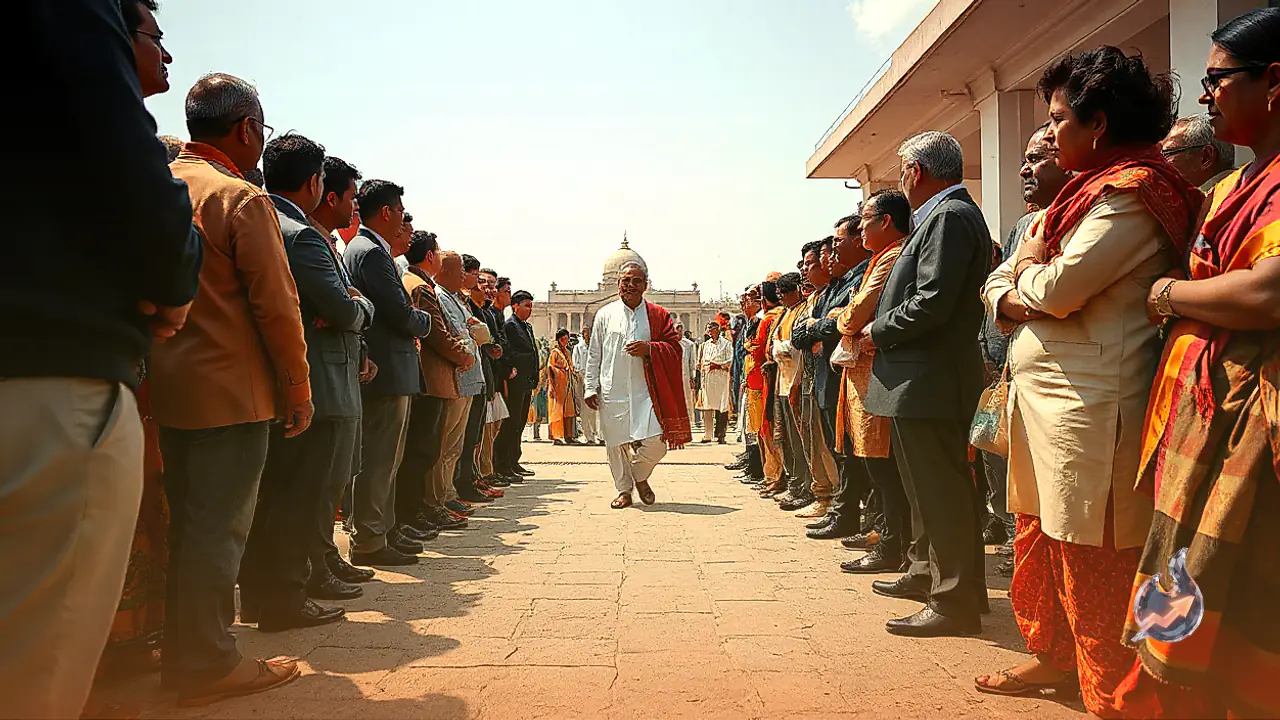

Nepal Prime Minister Balendra Shah is scheduled to embark on his maiden official state visit to India, as announced by Nepalese Foreign Secretary Amrit Bahadur Rai on Friday. Accepting the invitation extended by Prime Minister Narendra Modi, the Nepalese leader will be in India from November 22 to 23. Accompanied by a 34-member high-level government delegation, Prime Minister Balendra Shah will travel from Kathmandu to New Delhi for these crucial diplomatic engagements.
Bilateral Talks with Prime Minister Narendra Modi
During the course of his visit, Prime Minister Balendra Shah will engage in delegation-level discussions with his Indian counterpart, Prime Minister Narendra Modi, on Monday. Following the formal talks, both leaders will jointly inaugurate several energy-related development projects. Furthermore, multiple bilateral agreements covering diverse sectors of mutual cooperation will be signed and exchanged between the two sides to deepen regional ties.
Meeting with President Droupadi Murmu and Joint Press Meet
The delegation-level dialogue will be followed by a joint press conference addressed by Prime Minister Balendra Shah and Prime Minister Narendra Modi. To honor the visiting dignitary, Prime Minister Narendra Modi will host a special luncheon. As part of his official itinerary in the national capital, Prime Minister Balendra Shah is also scheduled to call on President Droupadi Murmu at Rashtrapati Bhavan.
Tribute to Mahatma Gandhi and Business Forum Participation
The itinerary of the Nepalese Prime Minister in New Delhi also includes a solemn visit to Rajghat to pay floral tributes at the memorial of Mahatma Gandhi. In addition to his political engagements, he will participate in the Nepal-India Business Forum, an event designed to bolster commercial and economic cooperation between the two neighboring nations.
Deep-Rooted Historical Ties Between India and Nepal
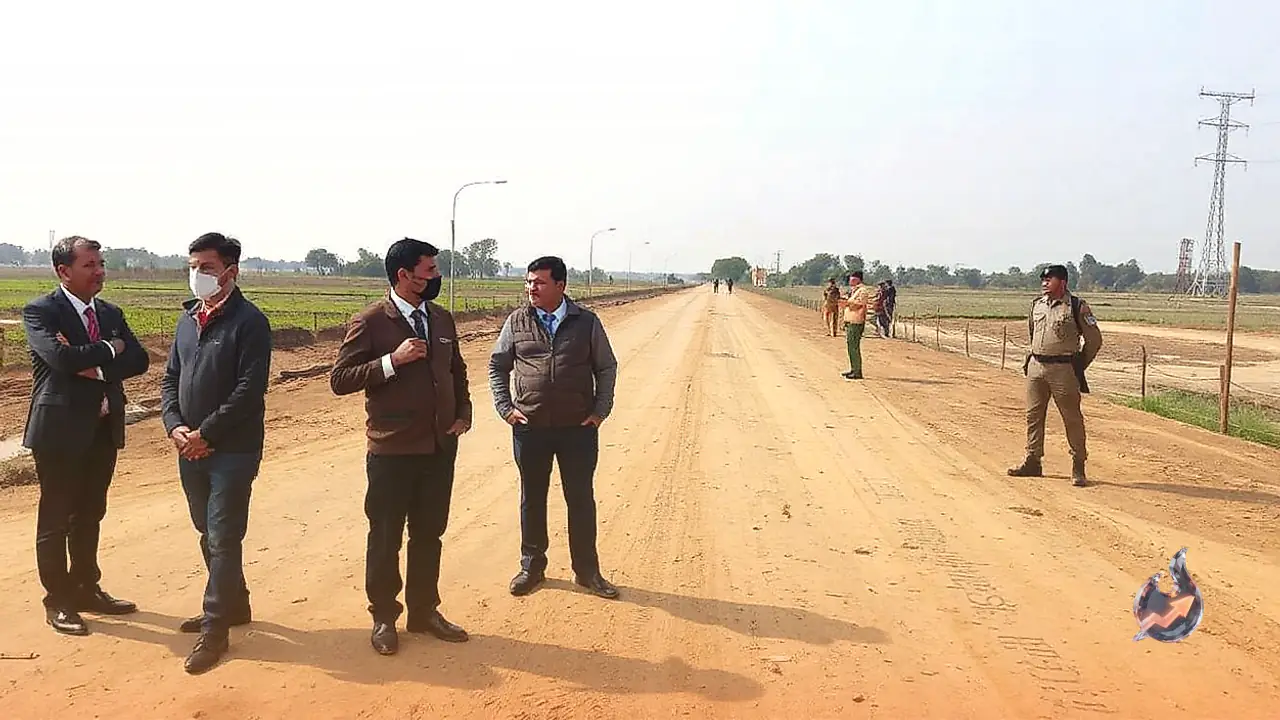
Relations between India and Nepal are anchored in centuries-old historical, cultural, and geographical connections, supported by the 1950 Treaty of Peace and Friendship and a 1,751-kilometer-long open border. Defined by the traditional sentiment of shared livelihoods and familial bonds often described as roti-beti ka rishta, these bilateral relations are now advancing toward practical economic, energy, and digital integration under the new political leadership.