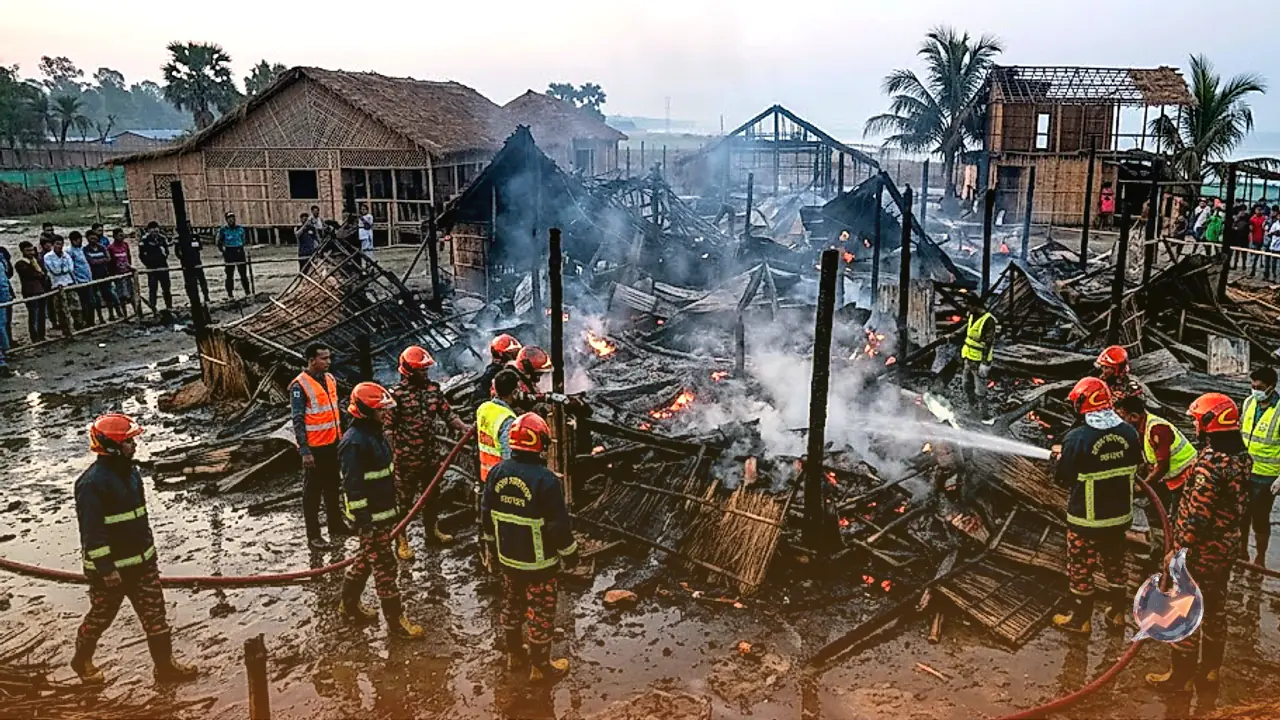





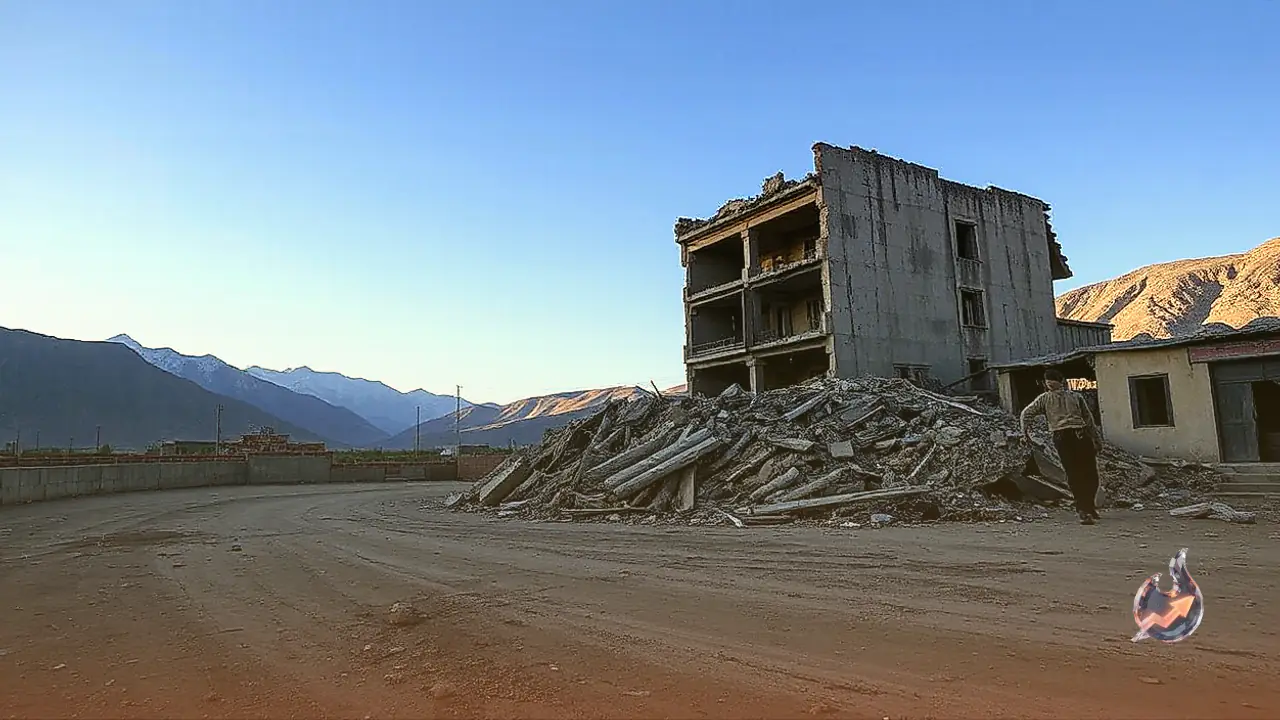



















Amid the ongoing catastrophe caused by relentless flash floods in Nepal, a strong earthquake struck the neighboring region of Tibet on Thursday. Measuring 5.0 on the Richter scale, the tremor highlights the heightened environmental vulnerability in the Himalayan belt even as Nepal grapples with a death toll that has escalated beyond 1,243, alongside more than 5,000 missing individuals. Search and rescue missions are operating around the clock with key assistance provided by neighboring India.
Seismological Data and Epicenter Details in Tibet
According to official details released by the National Center for Seismology, the earthquake occurred at precisely 1:46 PM local time on Thursday. Seismologists reported that the seismic activity originated at a shallow depth of 14 kilometers beneath the Earth's surface. The precise epicenter coordinates were determined to be latitude 31.479 North and longitude 80.370 East. While immediate reports indicated no fresh structural casualties from the quake itself, the tremors have created widespread alarm across communities adjacent to the flood-affected border regions.
Devastating Floods in Nepal and Indian Relief Missions
The human cost of Nepal's flash floods continues to climb steeply, with confirmed fatalities standing at 1,243 and over 5,000 people unaccounted for, including hundreds of Indian pilgrims who were undertaking the Kailash Mansarovar Yatra. In response to the emergency, specialized rescue personnel from the Indian Army are actively engaged in operations inside a flooded hydroelectric power project tunnel to extract trapped individuals. Furthermore, India has dispatched its fifth consignment of humanitarian assistance, comprising an 11-member expert rescue team along with 5.5 tons of essential supplies and medical aid. Nepalese Prime Minister Balen Shah formally expressed appreciation toward India for its swift intervention during this disaster.
Climate Change Impact and Rising River Danger Levels
Addressing the Nepalese Parliament on Wednesday regarding the root causes of the deluge, Prime Minister Balen Shah firmly linked the catastrophic flooding to climate change. He stressed that the sudden surge in the Bhotekoshi River was far beyond what normal seasonal rain would produce, cautioning that global warming presents an escalating threat to mountain communities across the Himalayas. Meanwhile, hydrological conditions remain critical across Nepal, as the Narayani and Trishuli rivers maintain elevated levels in Chitwan. Severe warnings have been issued for the Sun Kosi, Budhi Gandaki, and Mahakali rivers, all of which have crossed their respective danger thresholds, prompting authorities to order immediate evacuations for residents living in low-lying zones across central, western, and eastern Nepal.