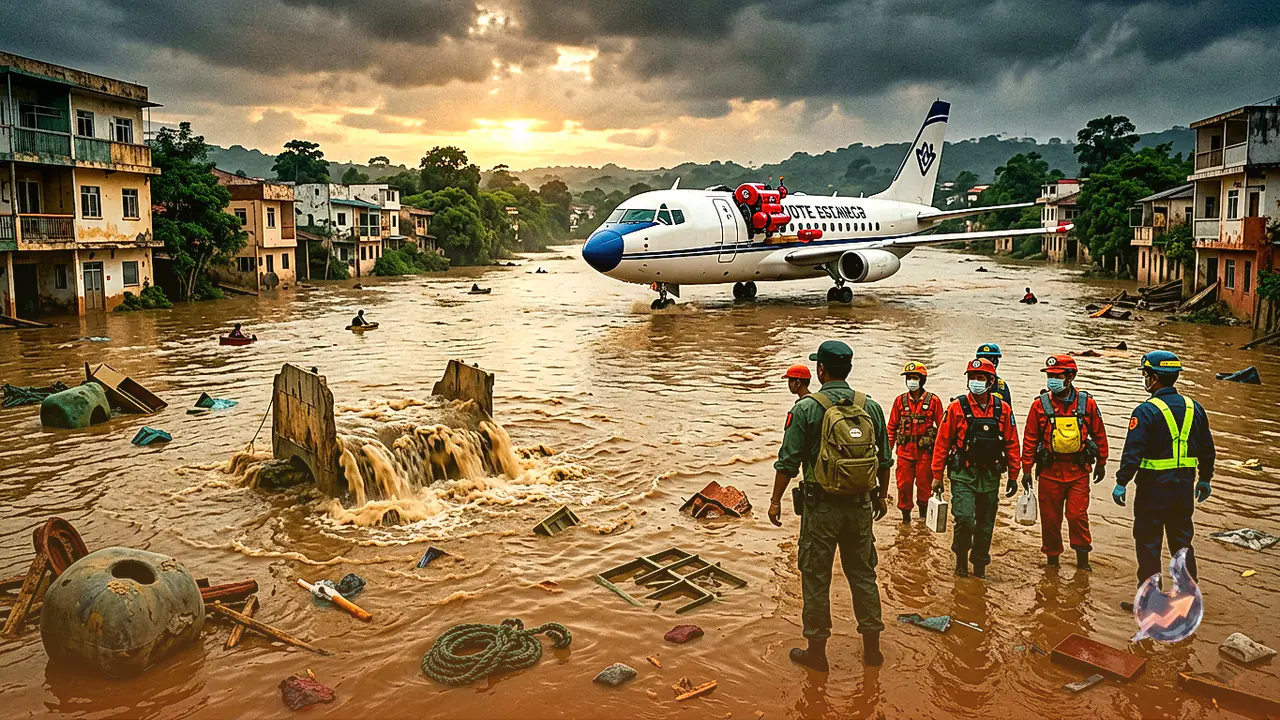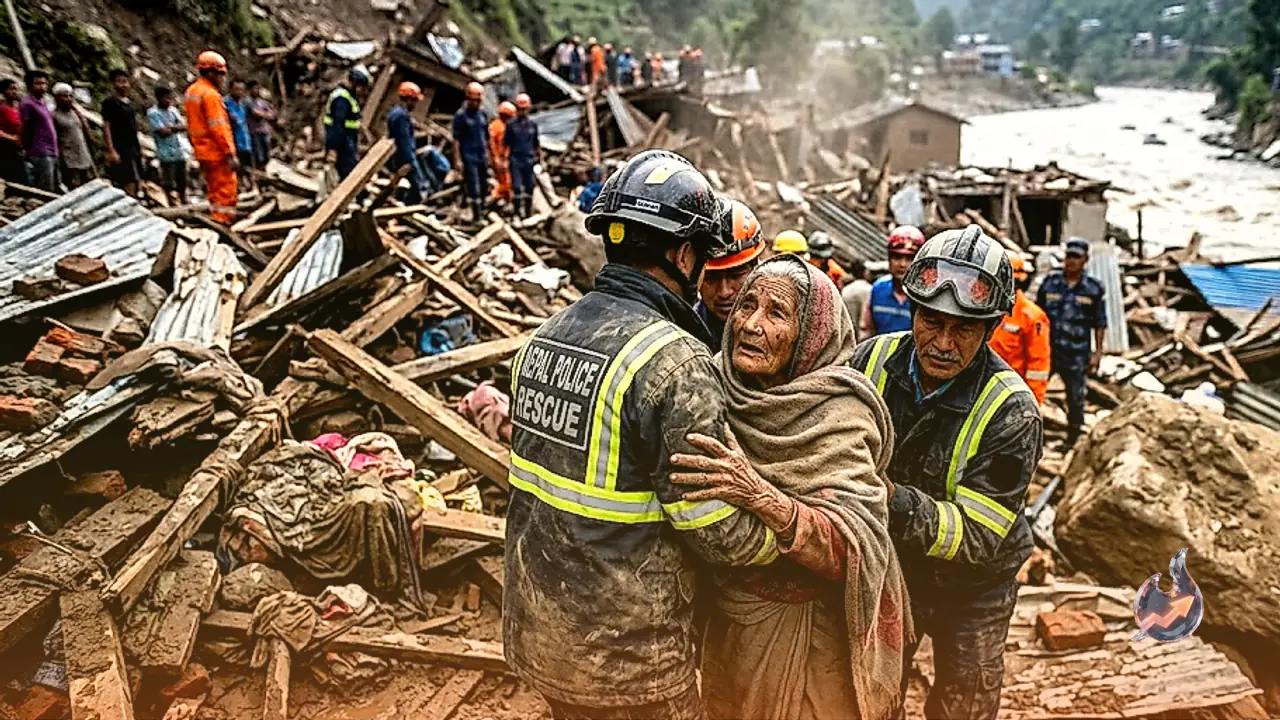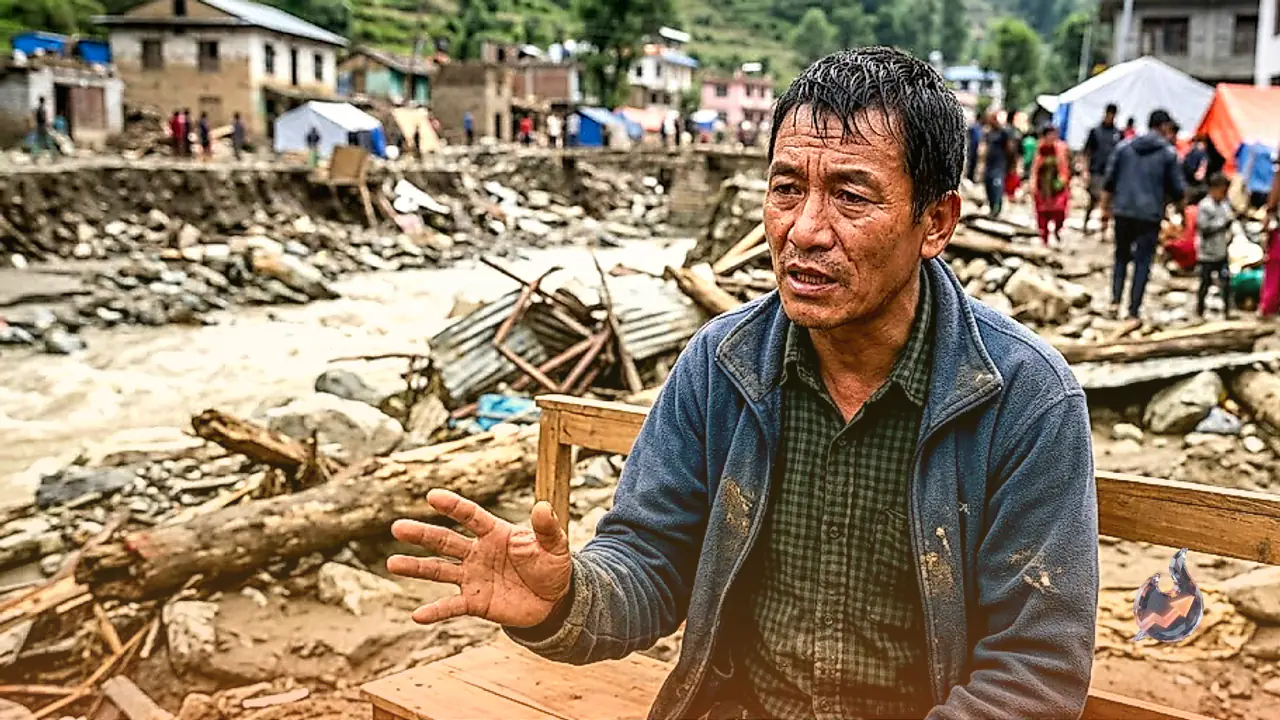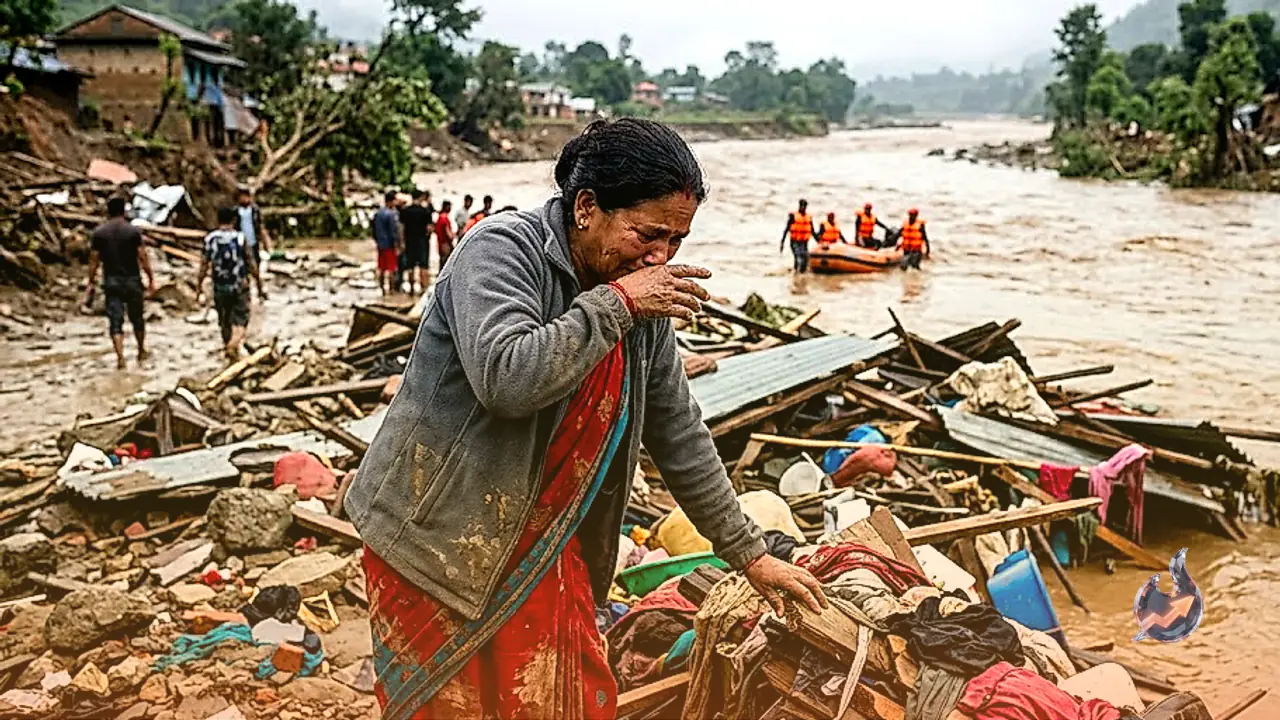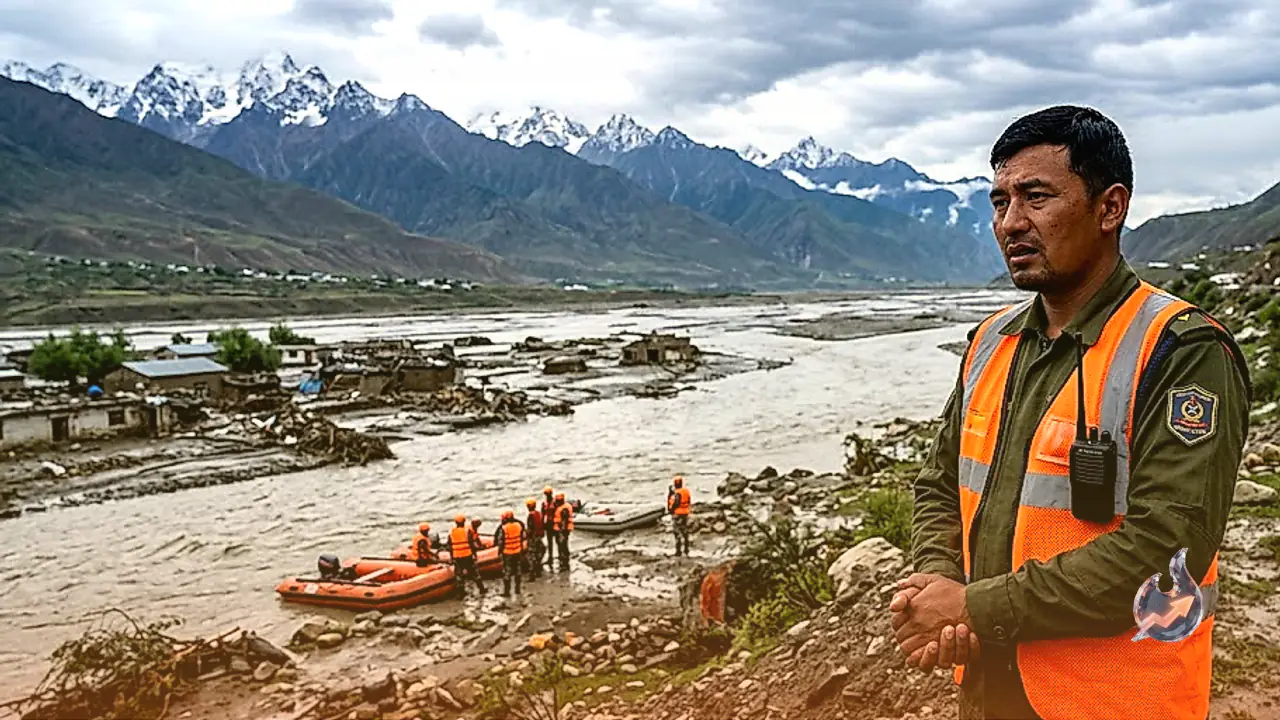
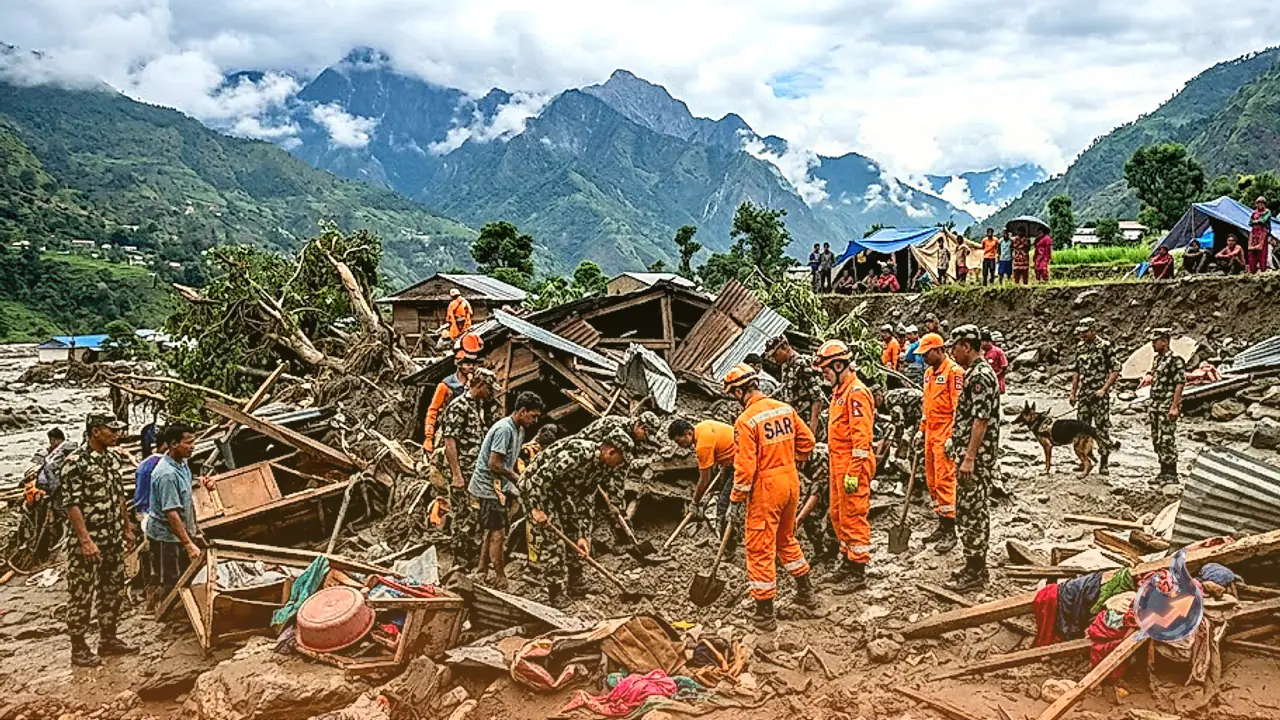


















The toll from the catastrophic natural disaster in Nepal climbed to 788 on Saturday as recovery teams continued pulling bodies from the debris, while officials issued a fresh warning regarding rising water levels in the Bhote Koshi River. Authorities have urged residents in flood-hit districts and rescue personnel to remain on high alert. According to the National Disaster Risk Reduction and Management Authority, more than 2,500 individuals remain missing, while approximately 9,500 people have been successfully rescued from the affected zones.
Border Area Devastation and Impact Across China
The calamity struck on August 26, triggered by massive ice and rock avalanches near the Nepal-Tibet border, obliterating numerous towns and villages across northern and central Nepal. Floodwaters rushed down from the Himalayan border region into southern valleys, sweeping away homes, vehicles, roads, bridges, and damaging hydroelectric power installations. According to reports from Chinese state media, the disaster also claimed 16 lives on the Chinese side, while roughly 550 people remain missing in Tibet.
Missing Persons Statistics and Foreign Nationals
In an official statement, the National Disaster Risk Reduction and Management Authority warned that water levels in the Bhote Koshi River have risen again, urging all concerned parties to adopt precautionary measures and promising updates as further details emerge. Administrative data indicates that a total of 2,500 people, including 591 foreign nationals, are unaccounted for following the catastrophe. In New Delhi, the Ministry of External Affairs stated on Saturday that over 275 Indian nationals and 128 people of Indian origin were missing or unreachable in Nepal, subsequently publishing a list of 149 rescued individuals on its X handle.
Hospital Search Efforts and Body Identification Challenges
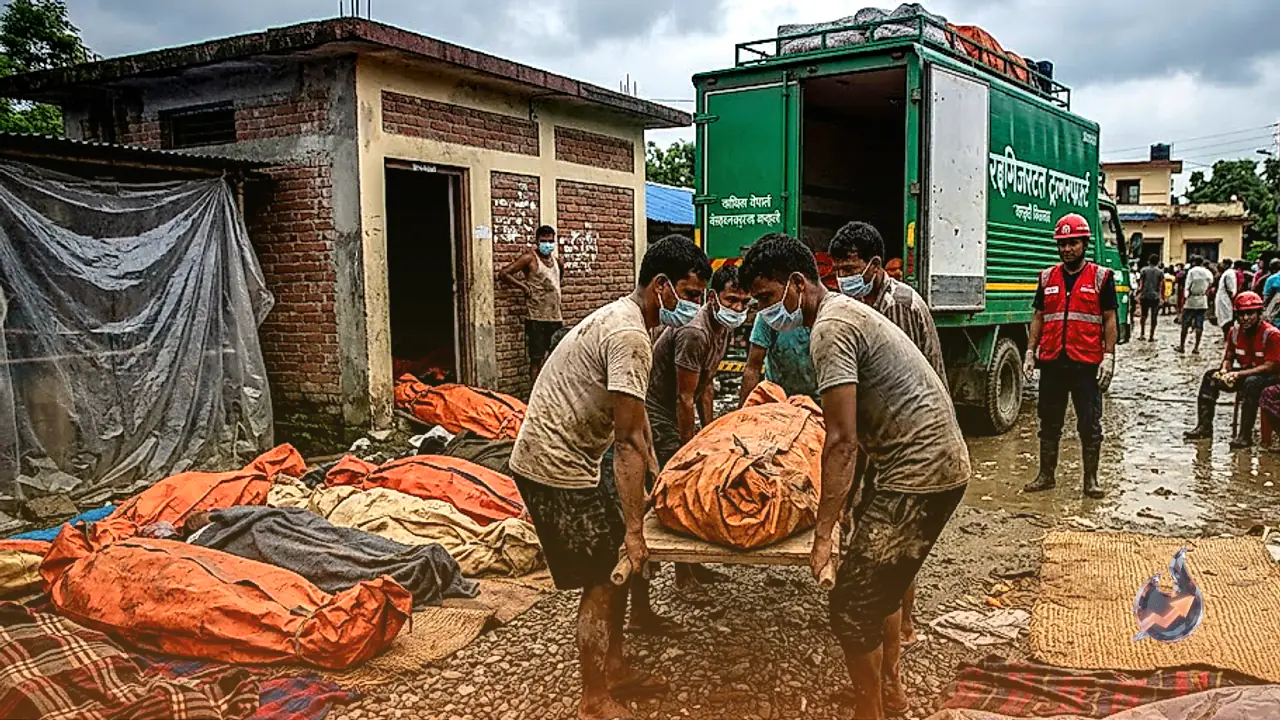
Hospitals across Nepal are flooded with crowds searching for missing relatives as the focus shifts toward identifying the recovered dead. Photographs of the deceased have been posted on hospital walls, drawing anxious crowds of grieving families. However, police reported that out of all the bodies recovered so far, only 17 have been positively identified. Bagmati Province Police Office spokesperson Rajendra Prasad Dhamla elaborated on the grim reality. Rajendra Prasad Dhamla stated, "Now तक केवल 17 शवों की पहचान हो पाई है क्योंकि ज़्यादातर शव या तो बुरी हालत में हैं या उनके अंग कटे-फटे हैं."
Burial Protocols and the Long Road to Recovery
The severe decomposition and mutilation of bodies have made identification an immense hurdle for investigators. Dhamla explained that after completing necessary legal procedures, authorities have buried 96 bodies so far, ensuring that DNA samples were extracted and stored securely in designated locations prior to burial in accordance with established protocols. While around 9,500 individuals—including locals and tourists from India, the United States, China, Russia, the United Kingdom, Spain, Belgium, Germany, Italy, Malta, Turkey, Switzerland, and Portugal—have been rescued, survivors now face the daunting task of rebuilding their lives amidst profound uncertainty and the grief of separation.