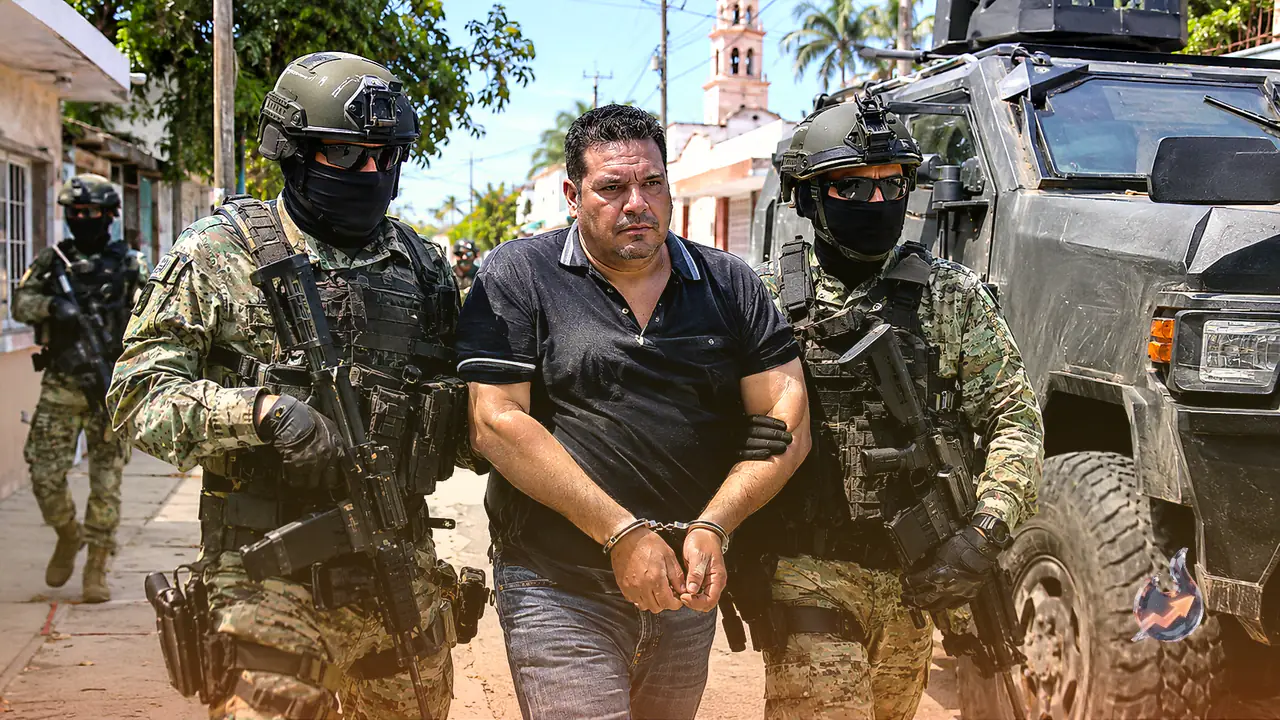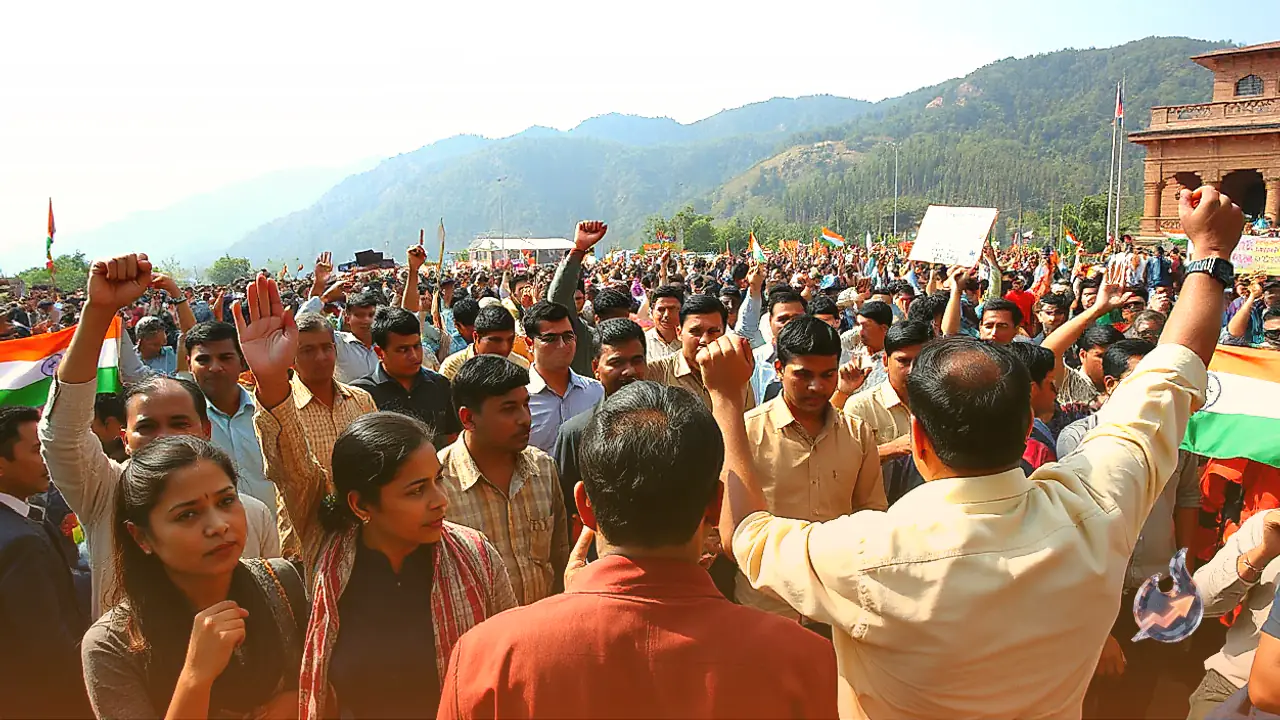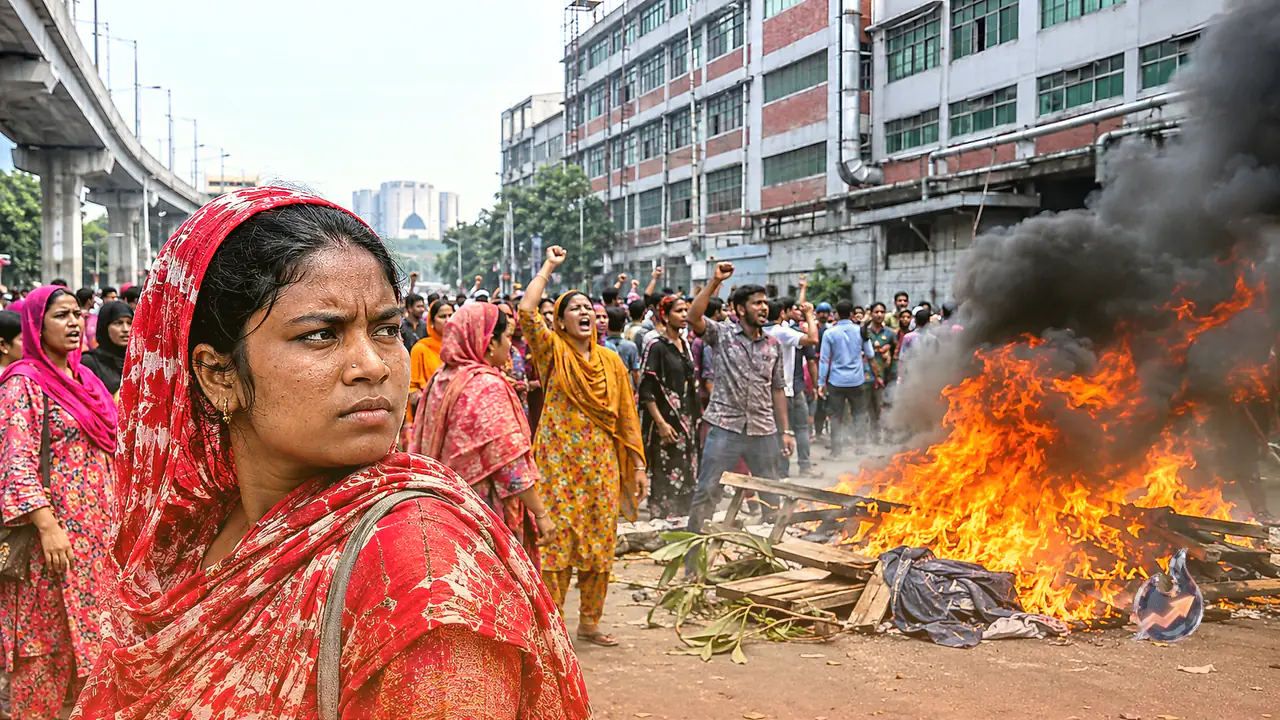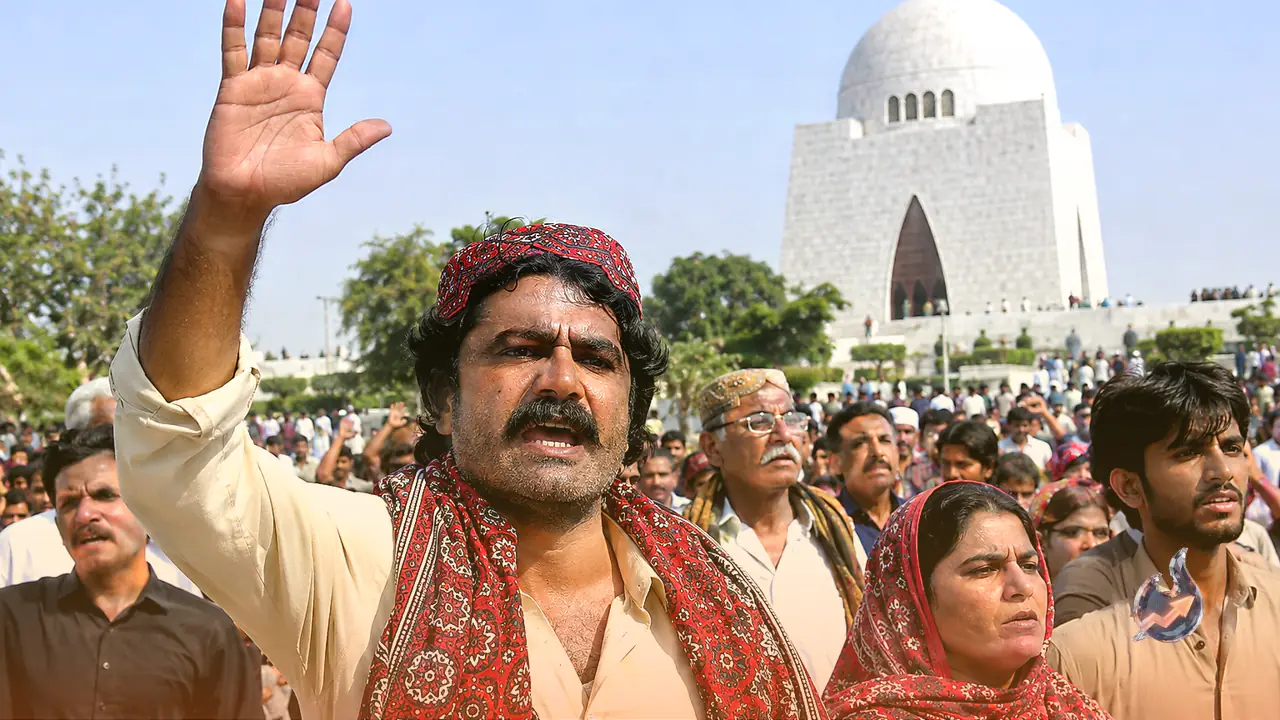

Tensions are flaring across Pakistan as proposals to carve up the Sindh province and create new administrative regions trigger fierce public backlash. Thousands of nationalist activists poured onto the streets of Karachi to protest the proposed redrawing of boundaries, directing their anger at army chief Field Marshal Asim Munir and the military establishment dominated by Punjab, which they accused of plotting to erode Sindh’s regional identity and territorial integrity. Amid the demonstrations, demands for a sovereign Sindhi state grew louder, with leaders explicitly warning that they would enforce a total economic blockade of Punjab. Organizers have also firmly rejected any proposition of holding a public referendum on the contentious matter.
Massive Rallies March Through Karachi
According to local publications, the protests were organized under the banner of the Jeay Sindh Rahbar Committee, a coalition composed of four prominent Sindhi nationalist parties. The march was spearheaded by Jeay Sindh Mahaz chairman Riaz Ali Chandio, Niaz Kalani, and other notable nationalist figures, with active participation from legal professionals and civil society members. The demonstrations forced the temporary closure of numerous thoroughfares across Karachi, beginning at Drig Road and winding through various urban districts before culminating at Metropole. Protesters remained steadfast in their rejection of any modifications to the existing geographical borders of Sindh.
Accusations Directed at the Military and Punjab
Sindhi nationalist organizations have leveled serious accusations against the military establishment, claiming it seeks to tighten its grip over the land, economic resources, and political rights of Sindh. Demonstrators asserted that attempts are underway to seize millions of acres of agricultural land, coastal islands, and vital natural resources including oil, natural gas, and coal deposits. In a radical escalation, the Jeay Sindh Muttahida Mahaz announced plans to enact an economic blockade against Punjab, stating that their campaign against the division of Sindh would now evolve into a full-scale movement for an independent Sindhi state. Shafi Mohammad Burfat, the Germany-based chairman of the organization, emphasized that the sovereignty of Sindh is the primary objective of their struggle.
The Government's Proposal for New Provinces
The national debate regarding the creation of new provinces gained momentum after Interior Minister Mohsin Nawaz proposed establishing smaller administrative units during the Pakistan Economic Summit held in Islamabad, even floating the idea of a referendum on the subject. Planning Minister Ahsan Iqbal subsequently suggested expanding the number of existing provinces from four to somewhere between 12 and 15. Meanwhile, Defence Minister Khawaja Asif stated that deliberations surrounding a referendum could materialize into concrete form by the end of 2026. However, the ruling coalition faces severe pushback, most notably from the Pakistan Peoples Party.
Bilawal Bhutto Zardari, chairman of the PPP, warned that any attempt to partition Sindh would inevitably unleash widespread violence and bloodshed. The party fears that splitting the region, particularly by detaching Karachi, would severely diminish its political dominance. Conversely, the Muttahida Qaumi Movement-Pakistan has thrown its political weight behind the proposition to create new administrative units, deepening the partisan divide.
Impending Clashes as Rival Rallies Loom
Protests have rippled through several other urban centers in Sindh, including Hyderabad, Nawabshah, Larkana, and Mehar, where citizens have voiced strong opposition to any territorial reconfiguration. Additional demonstrations were organized by Jamiat Ulema-e-Islam-Fazl across Sukkur, Jacobabad, and parts of Karachi. The political temperature is projected to spike further on November 29, when nationalists have scheduled another major march in Karachi. Compounding the risk of civil unrest, the MQM-P has slated a competing rally on the exact same day to voice support for the new provinces. To date, the federal government has neither published an official map nor released a draft constitutional amendment reflecting a consensus on the proposed provincial restructuring.