






















The geopolitical landscape of the Middle East has entered a highly volatile and unpredictable phase following the deaths of American military personnel in Jordan, which has triggered a massive and sustained military response from the United States. For an unprecedented eighth consecutive night, American armed forces have carried out widespread and punishing airstrikes deep within Iranian territory. According to the United States Central Command (CENTCOM), these intensive operations were specifically launched as a direct penalization against the Iranian units deemed responsible for the fatal assault on American troops stationed in Jordan. This relentless bombing campaign marks a dramatic escalation in direct hostilities between the two nations, shifting the dynamic from historical proxy skirmishes into direct, heavy-handed territorial engagements across the region.
Strategic Targets and Nuclear Infrastructure Pounded
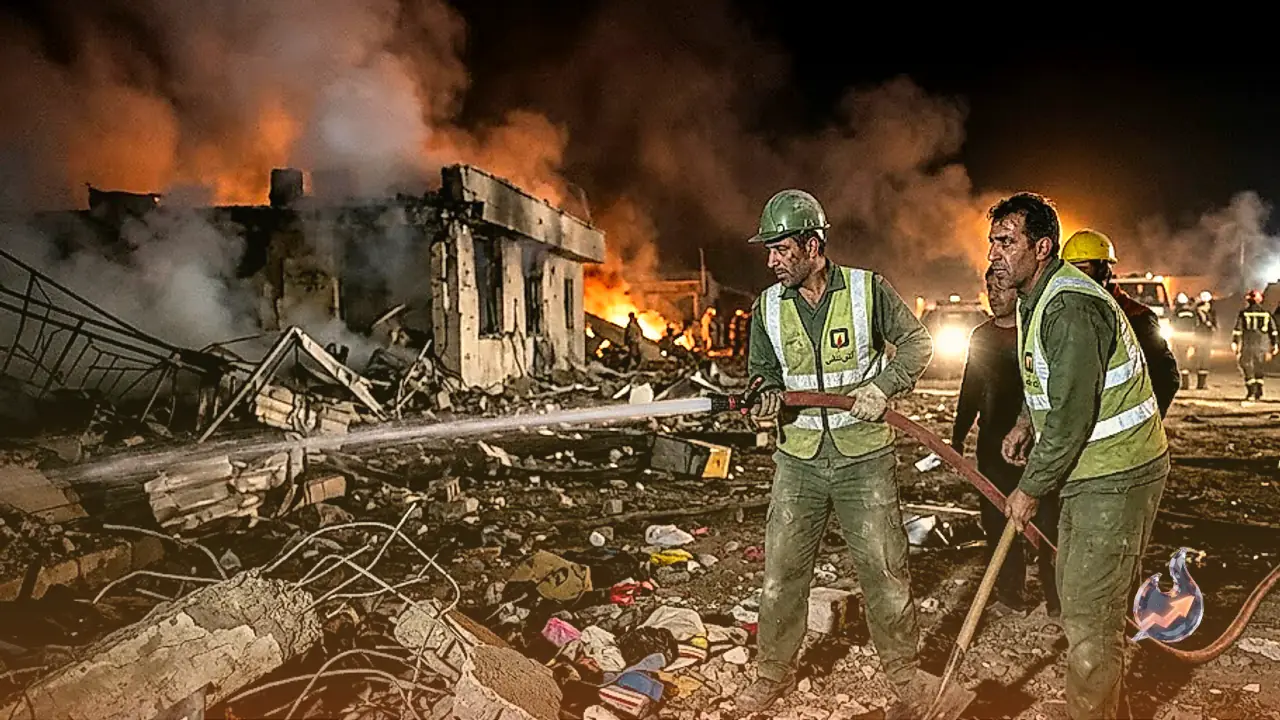
The operational scope of the American bombardment has been exceptionally broad, focusing primarily on crippling Iran's defensive and offensive military infrastructure. The aerial strikes have systematically dismantled coastal surveillance facilities, sophisticated air defense networks, and critical missile storage depots scattered across the country. In a highly significant development, the ongoing construction site of the Darkhovin nuclear power project was also heavily bombarded during these combat operations. This specific targeting of nuclear-related infrastructure has drawn immediate and sharp condemnation from authorities in Tehran. Representatives from Iran's Atomic Energy Organization quickly denounced the airstrikes, publicly categorizing the American military action as a blatant violation of established international law and an unprovoked aggressive maneuver against their sovereign domestic facilities.
Trump Promises Severe Consequences
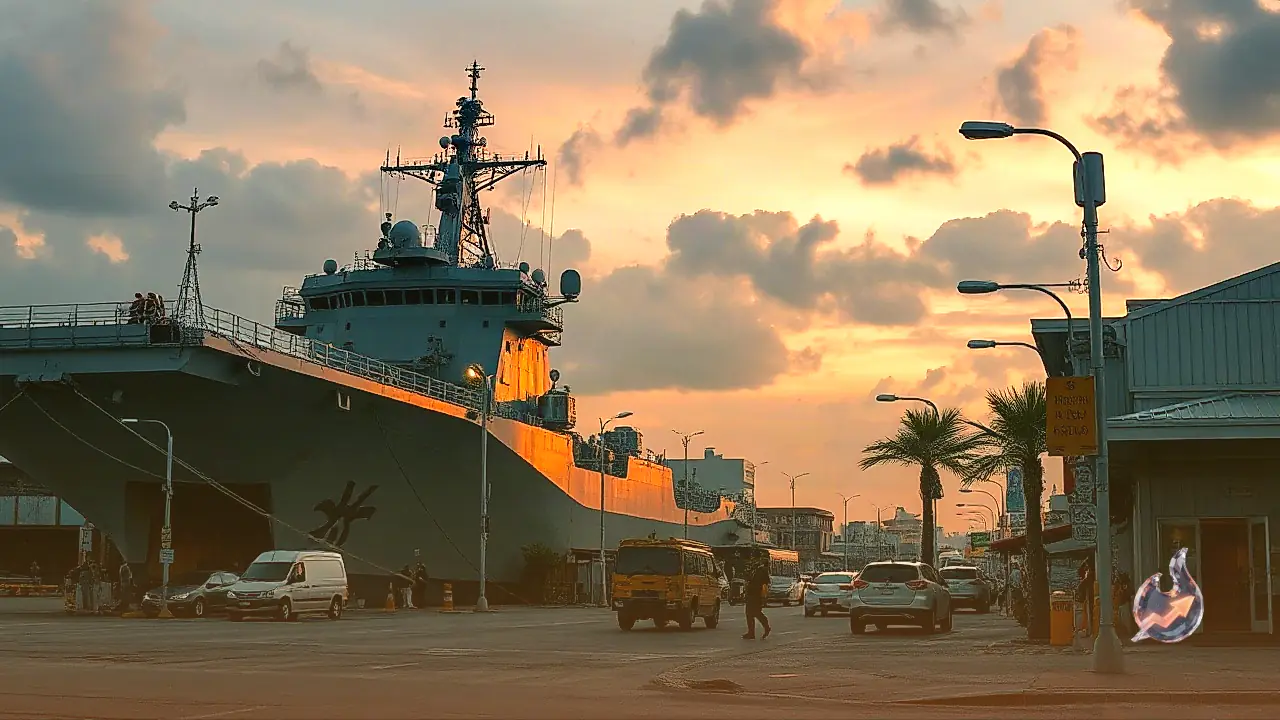
These intense military actions follow direct and uncompromising warnings from the highest echelons of the American government. Addressing the recent loss of American lives, United States President Donald Trump labeled the fatal incident in Jordan as "extremely sad." Emphasizing the gravity of the situation, he issued a stark public warning regarding the ongoing military campaign, stating that the nation would deliver an "immediate and strong response" to Tehran. Following through on this executive mandate, CENTCOM officials elaborated on the latest wave of night attacks, noting the precise destruction of drone repositories and key coastal military installations. Corroborating the sheer severity of the American bombardment, Iranian state media officially reported that multiple powerful explosions were heard echoing across the strategic port city of Bandar Abbas as well as the nearby island of Qeshm.
Iranian Retaliation Spills Over into Kuwait
The armed conflict rapidly expanded well beyond Iranian borders as Tehran initiated swift counter-offensives against American strategic interests stationed elsewhere in the region. Within mere hours of the devastating US airstrikes, Iranian armed forces claimed full responsibility for deploying weaponized drones against two separate American military installations situated in Kuwait. According to official statements released by the Iranian military command, these calculated retaliatory strikes were precisely aimed at crippling the primary ammunition storage depots located at Camp Udairi, in addition to targeting the advanced Patriot radar defense systems actively positioned at the Ali Al Salem Air Base.
Regional Defenses Tested Across the Middle East
The rapidly unfolding confrontation, which has been steadily intensifying over the past seven days, now seriously threatens to engulf neighboring Gulf nations in a broader conflict. The initial catalyst for this wider regional escalation began when Iran's Islamic Revolutionary Guard Corps aggressively imposed strict administrative controls and naval restrictions over commercial maritime traffic navigating the vital Strait of Hormuz, ultimately prompting the initial rounds of American military intervention. Since those initial naval clashes, the skies over the Middle East have transformed into a highly active combat zone. Iranian forces have aggressively launched various long-range drone and missile barrages directed toward neighboring territories, specifically including Bahrain, Kuwait, Qatar, and Jordan. In response to these sweeping regional threats, the Bahraini military command asserted that its forces successfully intercepted and completely neutralized multiple incoming Iranian aerial attacks. Similarly demonstrating regional cooperation, a coordinated defensive effort between Israeli and Jordanian air defense networks resulted in the successful mid-air downing of an inbound missile that was actively tracking toward the southern Jordanian coastal city of Aqaba. Thus far, regional allied authorities maintain that the vast majority of these hostile airborne threats have been effectively destroyed before they could reach their intended terrestrial targets.