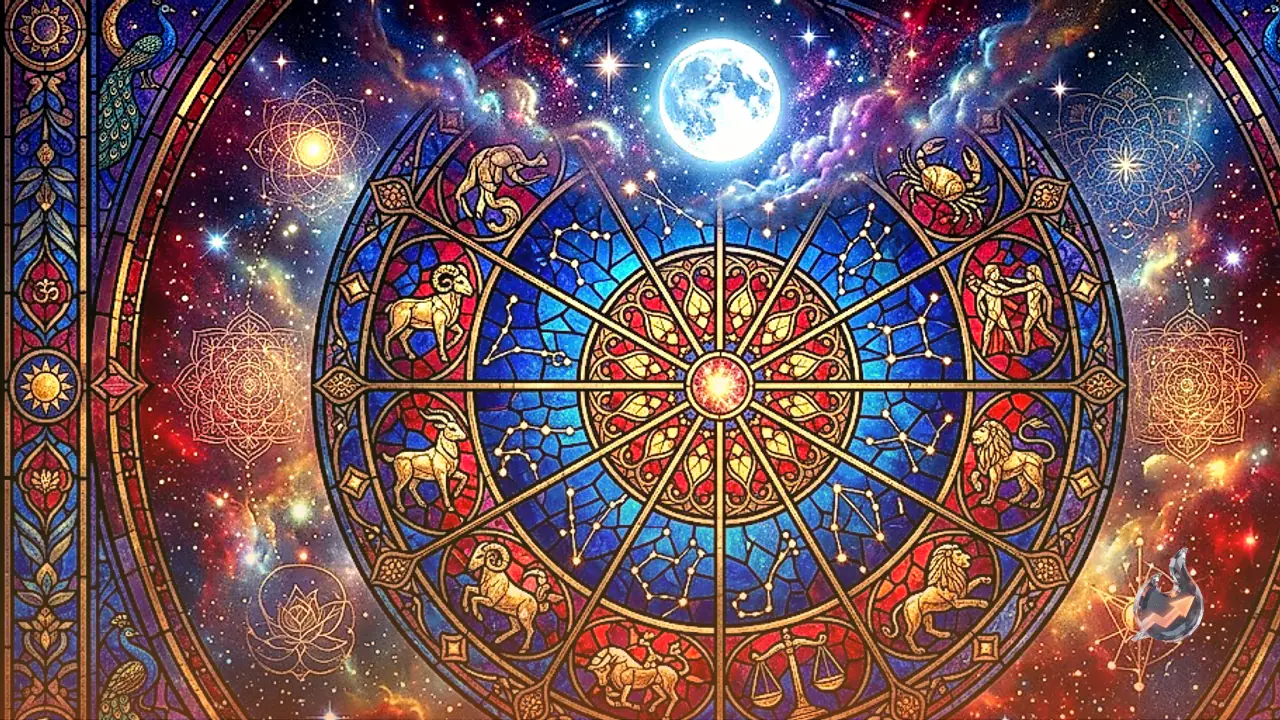






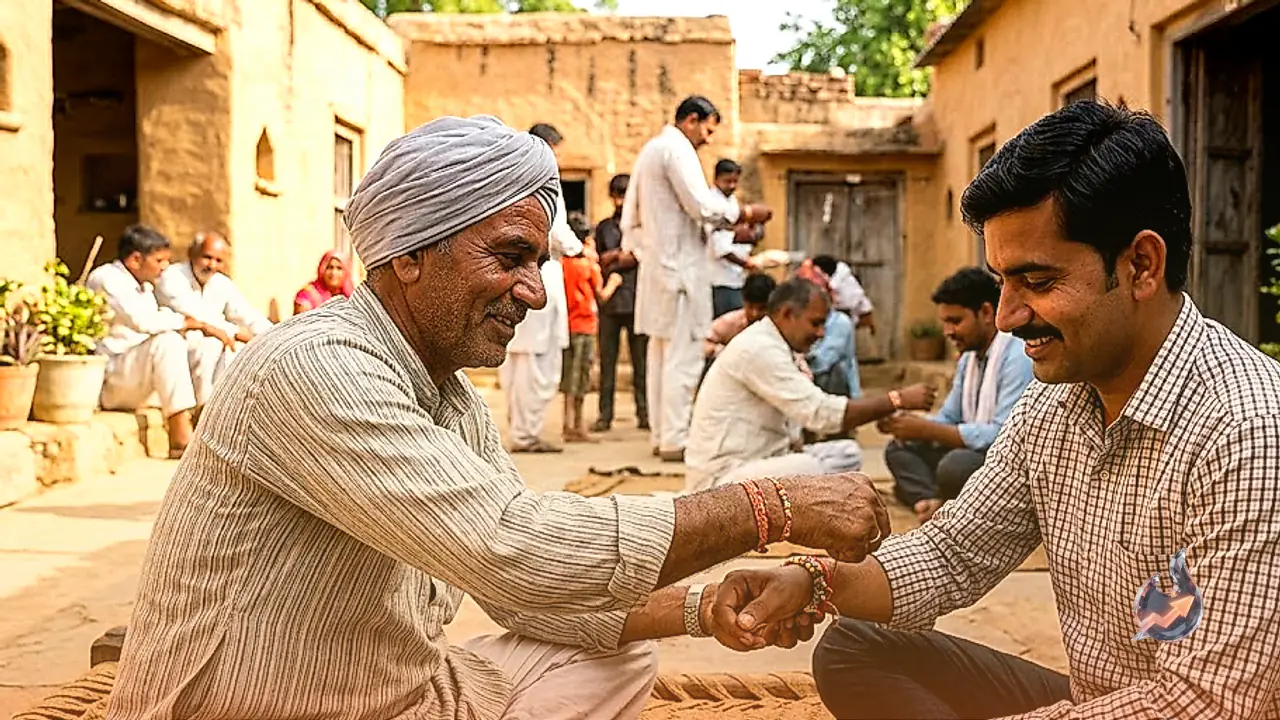
















In astronomical study and ancient Indian scriptural traditions, the occurrence of an eclipse has always held significant interest. Around the upcoming occasion of Raksha Bandhan, a lunar eclipse aligns with a rare astrological phenomenon where two eclipses take place within a short period. When a solar and lunar eclipse occur in close proximity within a single fortnight or a lunar month, classical scriptures view it as far more than a routine celestial movement. Ancient treatises provide detailed descriptions regarding the environmental, societal, and natural impacts of such uncommon cosmic sequences.
Scriptural References in Brihat Samhita
Among classical astronomical texts, the 'Brihat Samhita' authored by the ancient scholar Varahamihira occupies an exceptionally authoritative position. In Chapter 5, Shloka 23 of the Brihat Samhita, specific insights are provided regarding the occurrence of two eclipses within a tight timeframe. According to the text, when two eclipses manifest within a short interval, it signals potential disruptions in natural equilibrium. The scripture explains that twin eclipses falling in the same fortnight can influence atmospheric conditions and weather patterns, increasing the likelihood of sudden environmental shifts and unpredictable natural occurrences.
Historical Context in the Mahabharata's Bhishma Parva
The reference to closely spaced eclipses is not confined to Brihat Samhita alone. The 'Bhishma Parva' of the Mahabharata also chronicles this unusual astronomical alignment. Depicting the timeframe leading up to the Kurukshetra war, the Bhishma Parva highlights how the occurrence of two eclipses within a single fortnight was regarded as an omen of widespread socio-political turmoil. Historically, such celestial alignments were interpreted as precursors to major governance shifts, geopolitical instability, and heightened friction across human societies. Classical authorities evaluated this phase as one requiring extreme caution and prudent governance.
Key Classical Predictions: Natural Disasters and Public Welfare
A closer examination of these ancient texts reveals three primary dimensions of impact associated with short-interval eclipses
- Natural Calamities and Environmental Shifts: The scriptures note that when solar and lunar forces align in this pattern, the risk of seismic activity, severe weather events, unseasonal rainfall, and oceanic turbulence rises. These shifts can directly disturb agricultural lifecycles and ecological balance.
- Health Vulnerabilities and Epidemics: Classical literature notes a potential decline in public health stability during such cosmic phases. There is a heightened risk of infectious disease outbreaks, seasonal illness surges, and strains on community healthcare infrastructure.
- Loss of Human Resources and Assets: The ancient texts specifically mention the risk of 'Jan-Han' or loss of human welfare, referring to economic disruptions, accidental casualties, and societal stress that can affect communities during periods of cosmic realignment.
Practical Understanding and Modern Perspective
The primary intention behind these scriptural references is not to spread anxiety, but to encourage heightened awareness, preparedness, and collective caution. Indian tradition has long viewed major astronomical transitions as opportunities for introspection, disciplined living, and environmental mindfulness. When significant energy shifts occur in the atmosphere, classical wisdom advises maintaining a balanced routine, prioritizing health hygiene, and exercising wisdom in decision-making. Therefore, as this celestial alignment takes shape around Raksha Bandhan, it serves as a reminder to navigate the coming period with prudence and collective responsibility.