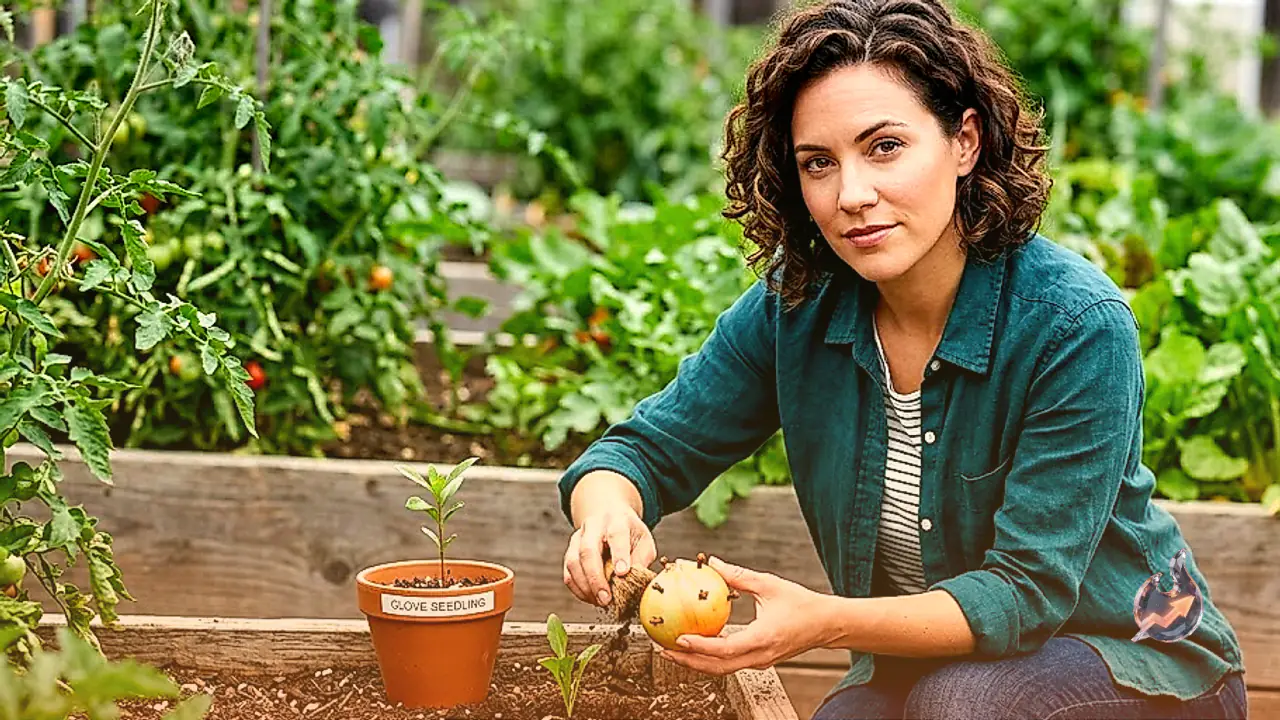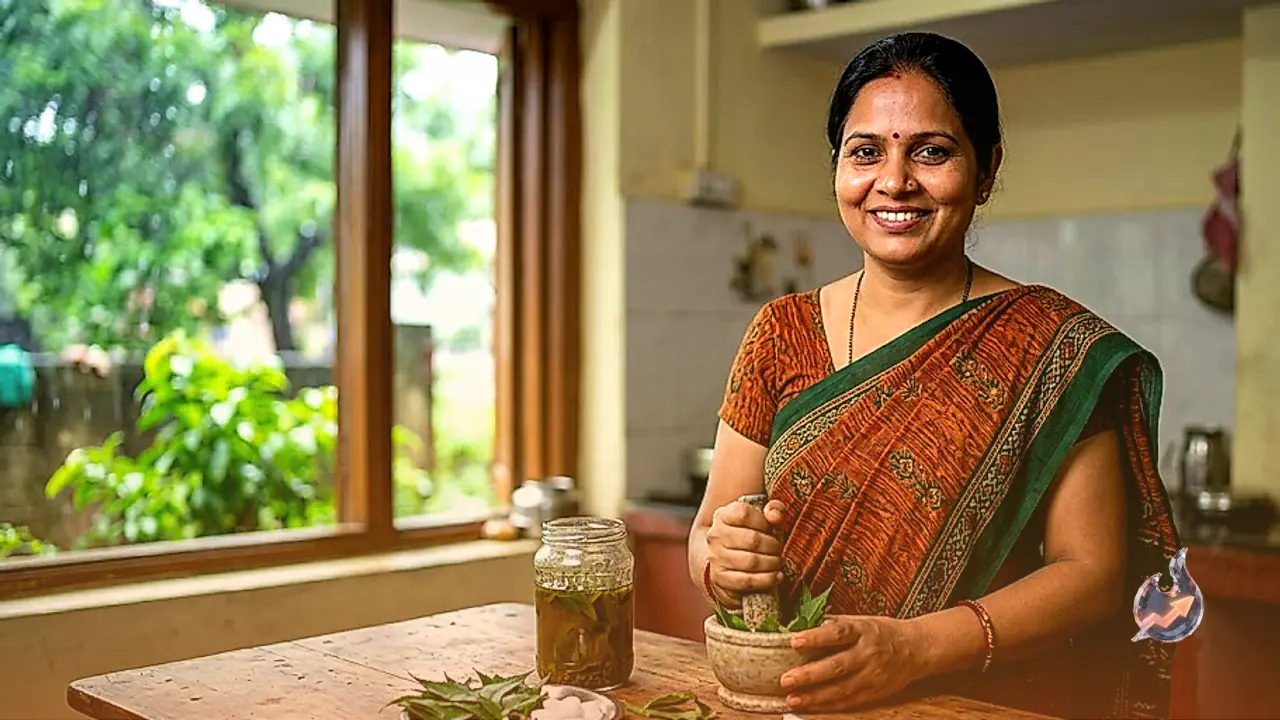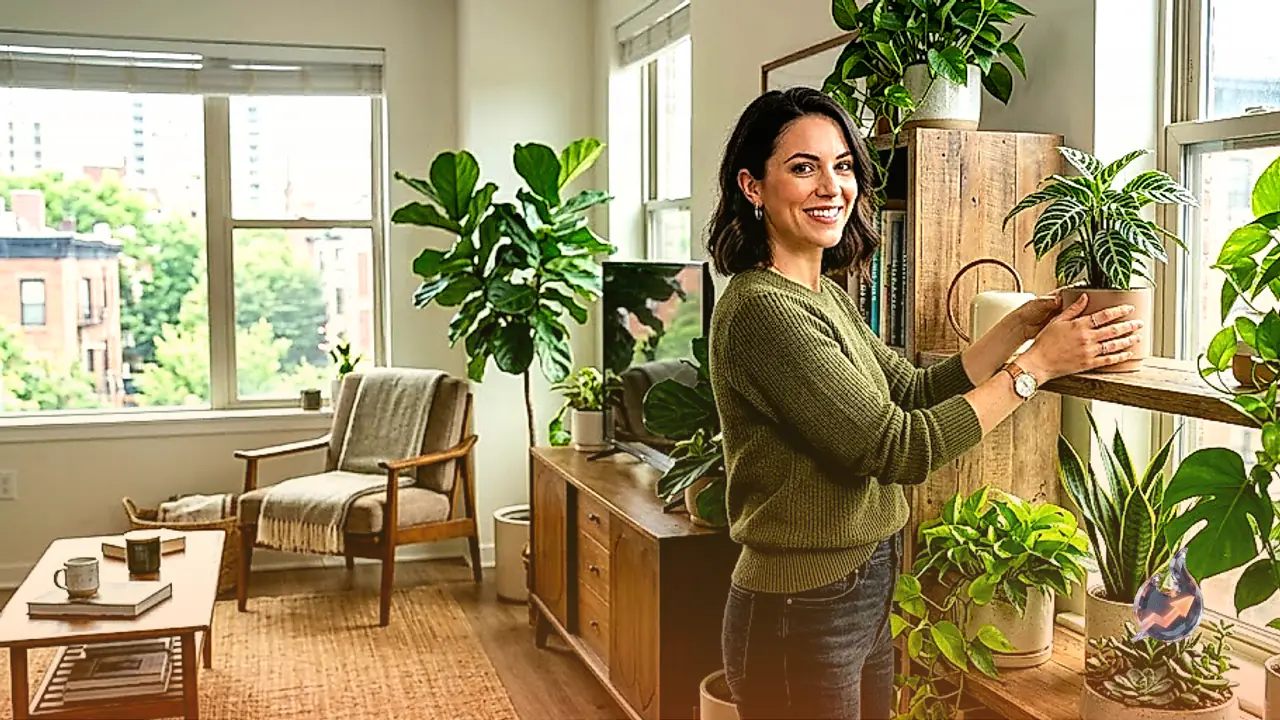























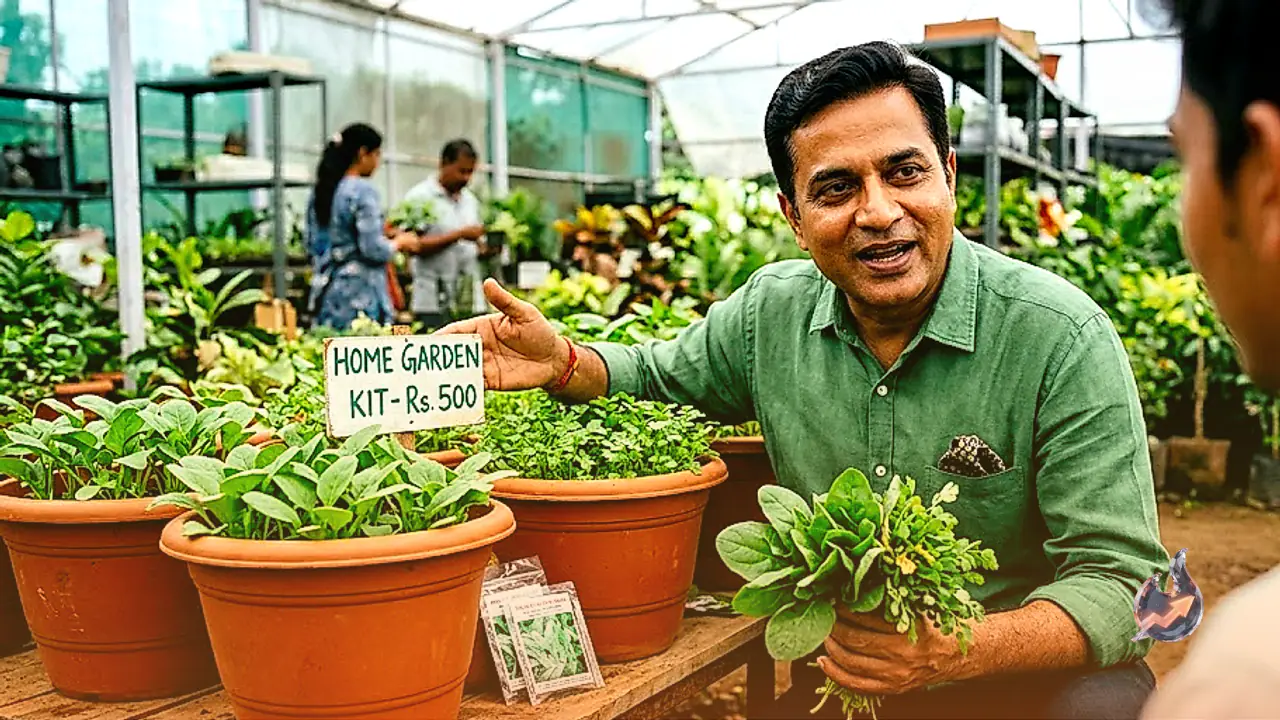

The monsoon season provides an ideal climate for starting a home kitchen garden on rooftops, balconies, or small courtyards. Even without access to farmland or large open grounds, fresh leafy greens like spinach, fenugreek, and coriander can be easily cultivated in containers. Nursery expert Yogesh from Burhanpur explains that with basic care, standard techniques, and minimal daily maintenance, any household can produce clean, pesticide-free vegetables right at home.
Initial Setup and Cost for Home Gardening
Beginning a home vegetable garden does not require a heavy financial investment. With an initial expenditure of approximately 500 rupees, one can easily arrange suitable pots, fertile soil, high-quality seeds, and organic fertilizers. This small setup cost allows families to enjoy a steady supply of nutritious greens throughout the rainy season. For urban households facing space constraints, growing vegetables in pots serves as a highly efficient and manageable alternative.
Soil Preparation and Using Organic Compost
Selecting premium quality seeds forms the foundation of a successful kitchen garden. Once the seeds are chosen, preparing the growing medium becomes the next crucial step. Fertile topsoil must be thoroughly blended with well-matured organic fertilizer. Home gardeners can prepare natural manure using cow dung or utilize everyday kitchen waste, such as vegetable and fruit peels, to create rich compost. Combining organic waste into the soil significantly enhances nutrient availability for growing plants.
Sowing Seeds and Managing Drainage Systems
After filling pots with the prepared soil and organic compost mix, seeds of spinach, fenugreek, and coriander can be sown evenly across the surface. Maintaining consistent moisture in the soil is critical for germination, but overwatering during the rainy season must be carefully avoided. It is essential that all growing pots feature functional drainage holes at the bottom. Proper drainage ensures excess rainwater escapes quickly, preventing root rot and protecting delicate saplings.
Sunlight Requirements and Harvesting Timeline
Adequate exposure to natural sunlight plays a vital role in encouraging healthy plant development. Pots should be positioned in spots that receive around 5 to 6 hours of direct sunlight every day. When provided with optimal soil conditions, quality seeds, balanced moisture, and sufficient sunlight, leafy crops grow rapidly. Under normal environmental conditions, spinach, fenugreek, and coriander leaves become ready for harvesting in about 20 days after sowing. Plucking fresh leaves as needed reduces the frequency of trips to the vegetable market while supplying clean, chemical-free food.