


















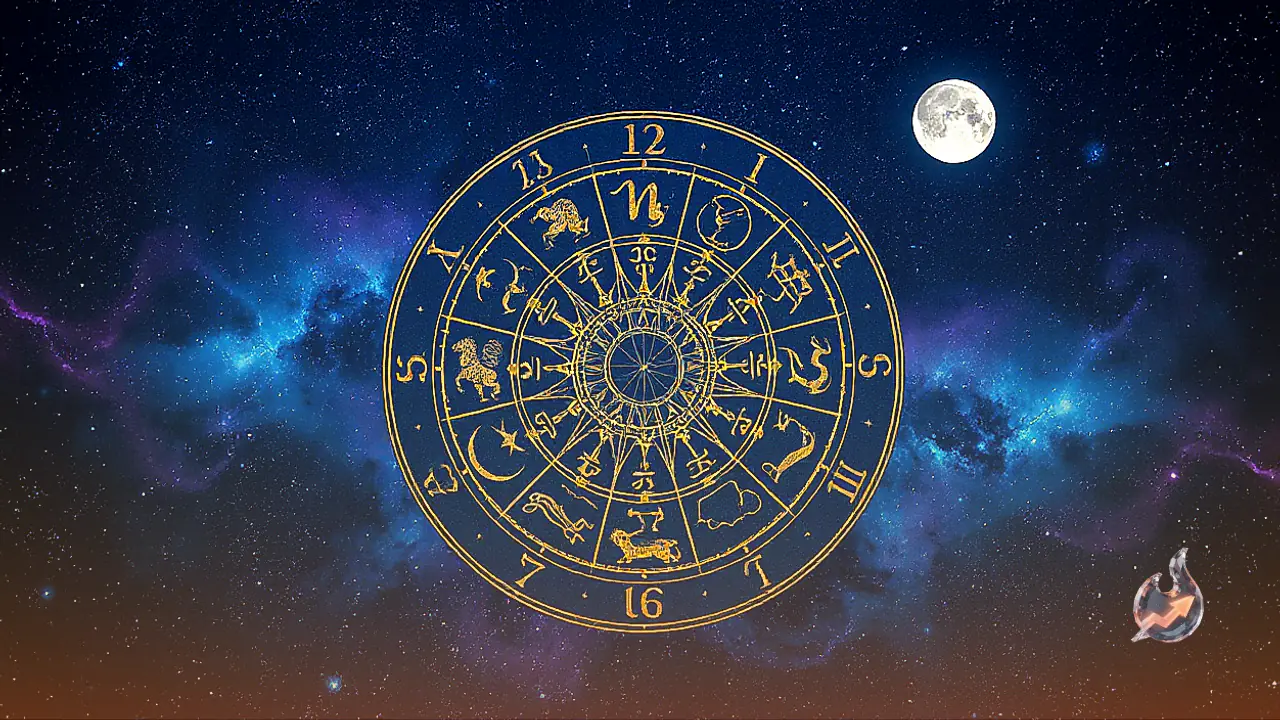
In Vedic astrology, Saturn is widely regarded as the dispenser of justice and karmic retribution, and the celestial body is set to turn direct on 11 December. Moving direct does not imply that an individual will suddenly become completely free of all unfavorable planetary influences. Instead, it signifies that any malefic impacts currently being experienced will experience a substantial reduction in severity. As the planet resumes direct motion, unfavorable vibrations decline and positive planetary energies begin to assert themselves. For individuals currently navigating the rigorous cycle of Sade Sati, this shift promises meaningful mental and practical relief.
The Planetary Timeline From Retrograde in July to Direct Motion
Tracing the recent astronomical movement of the planet, Saturn previously turned retrograde in July. After traversing an inverted path for roughly five months, the celestial body will resume its forward journey this December. Following this phase, another significant astrological milestone will occur next year on 27 June, when Saturn transits into Aries. This sequential series of cosmic shifts is expected to create favorable opportunities and substantial financial gains for three specific zodiac signs.
Kumbh Rashi Gains In Financial Inflows and Resource Retention
The forward movement of Saturn will deliver direct and visible advantages for individuals born under the sign of Aquarius, known as Kumbh. Highly promising avenues of recurring income are expected to emerge, providing long-awaited financial stability. Money that had previously been stuck, blocked, or assumed lost is now poised to find its way back into personal accounts. Because of the ongoing pressures of Sade Sati, you may occasionally second-guess yourself or feel that your decisions are flawed, yet underlying circumstances will steadily turn in your favor. Furthermore, you will find practical ways to curb unnecessary expenditures and accumulate meaningful savings.
Understanding the 19-Year Mahadasha, Antardasha Cycles, and Sade Sati
Astrological analysis dictates that the major planetary period of Saturn, known as the Mahadasha, spans an extensive duration of 19 years. Within this broader period, Antardashas represent shorter sub-periods governed by different planets in rotational succession. The tangible outcomes, trials, and blessings reflected in an individual birth chart manifest in strict alignment with these operational timeframes.
To fully grasp the mechanism of Sade Sati, one must observe how Saturn interacts with the natal Moon sign. The seven-and-a-half-year cycle commences when transiting Saturn enters the zodiac sign immediately preceding one's birth sign. The second phase unfolds as it transits over the natal sign itself, and the concluding phase takes place when the planet moves into the sign immediately following the birth sign. Understanding this sequential transit enables individuals to anticipate planetary phases with greater preparedness.
Essential Remedies and Lifestyle Adjustments for Planetary Balance
To soften the stringent friction associated with Sade Sati, preventative remedial measures should be adopted without delay. Offering oil in charity is considered an effective remedy to pacify Saturnian afflictions. Donating footwear and umbrellas to individuals in need also generates auspicious merit. Providing direct assistance to differently-abled individuals through gifts of essential medicines, durable shoes, and supportive clothing serves as a potent method to mitigate hardship.
In daily life, one should make a conscious effort to serve cows as frequently as possible. Maintaining personal hygiene by bathing twice a day and presenting oneself neatly is highly recommended. Take rigorous care that garments, whether innerwear or outerwear, are intact and not torn in any place. Donate leather goods to those in need rather than wearing or keeping them for personal use. To prevent aggravating negative planetary alignments, avoid wearing black clothing. Cultivate the habit of rising early in the morning before dawn and consistently engage in the worship of the Sun.