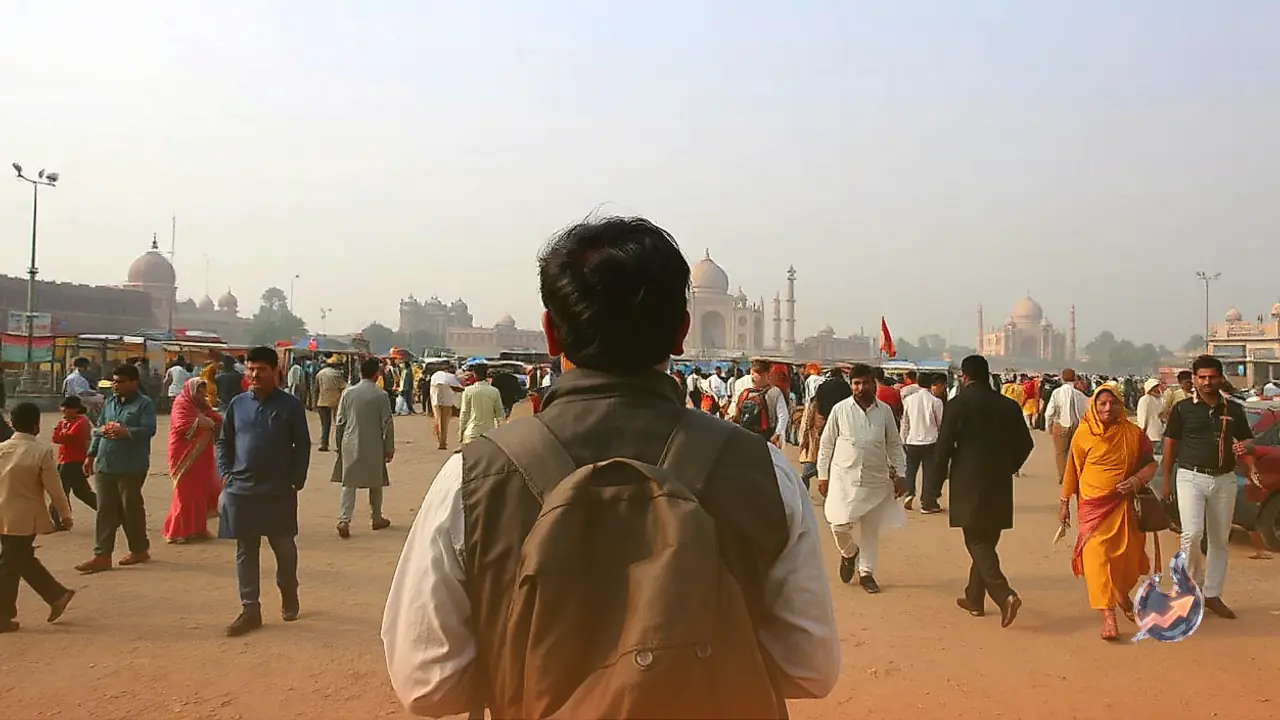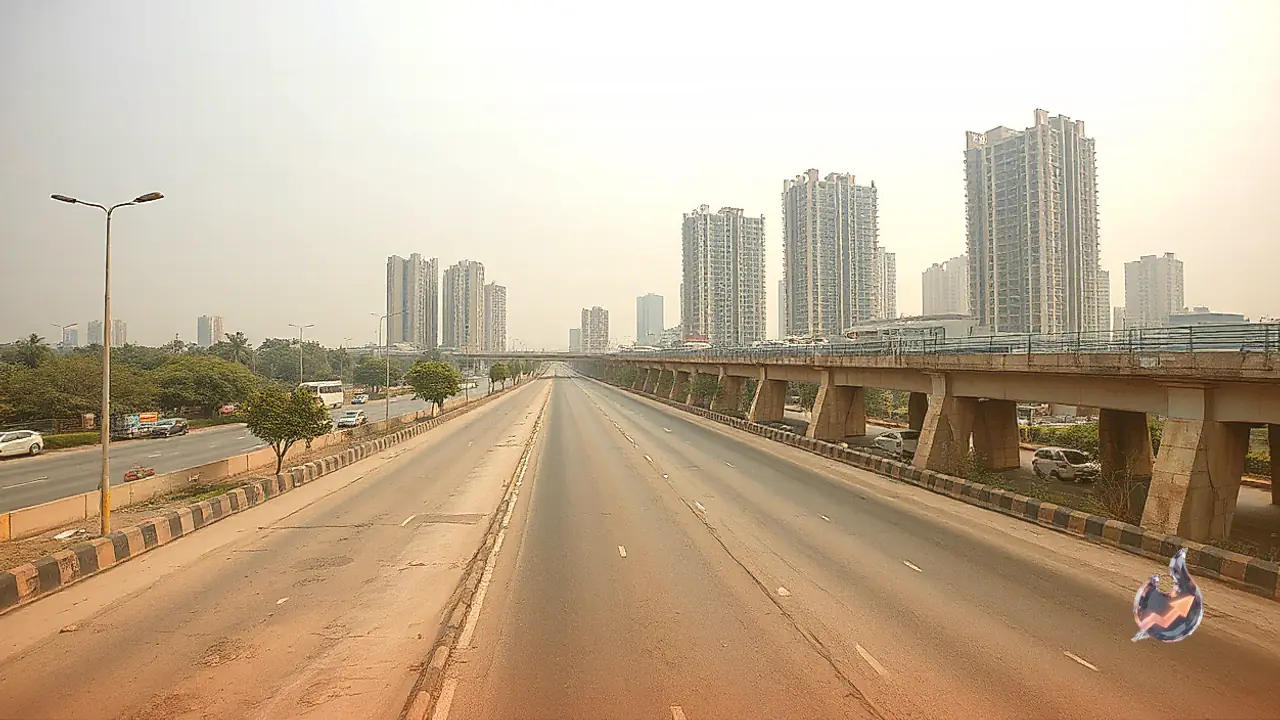























The air quality across India's capital has deteriorated into hazardous territory, with dense pollution visible across the skyline as early as 6:15 AM. While the citywide average Air Quality Index (AQI) stood at 331, several residential and industrial belts recorded significantly higher readings, indicating severe atmospheric toxicity across multiple zones.
Pollution Readings Across City Hotspots
A closer look at local monitoring stations reveals stark variations across the urban sprawl. Jahangirpuri registered an alarming AQI of 499, bordering on the maximum measurable threshold. Other localities also breached the severe threshold, with Rohini recording 431, Bawana touching 408, Narela at 406, and DTU Delhi reaching 403. Meanwhile, the Central Pollution Control Board (CPCB) measured the index around Anand Vihar at 278, categorizing the area under the poor bracket. The concentration of extreme figures in northern pockets reflects concentrated ground-level pollution.
Strict Screening on the Delhi-Noida Border
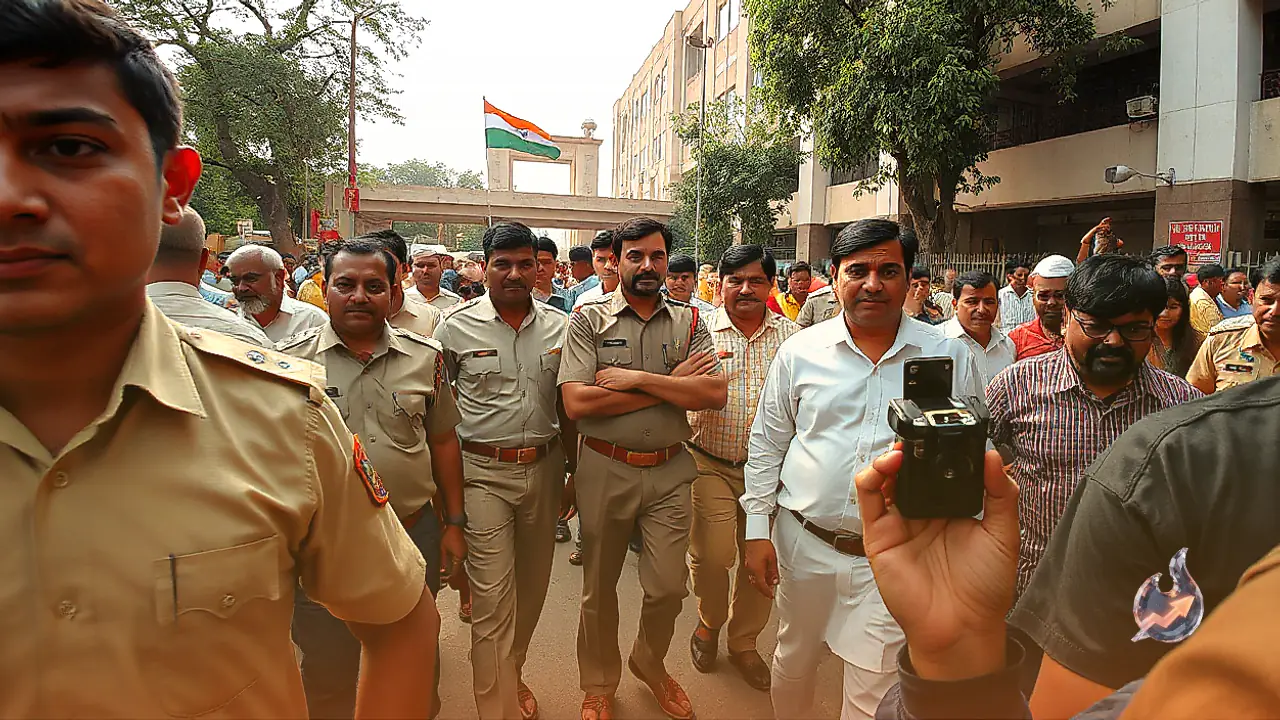
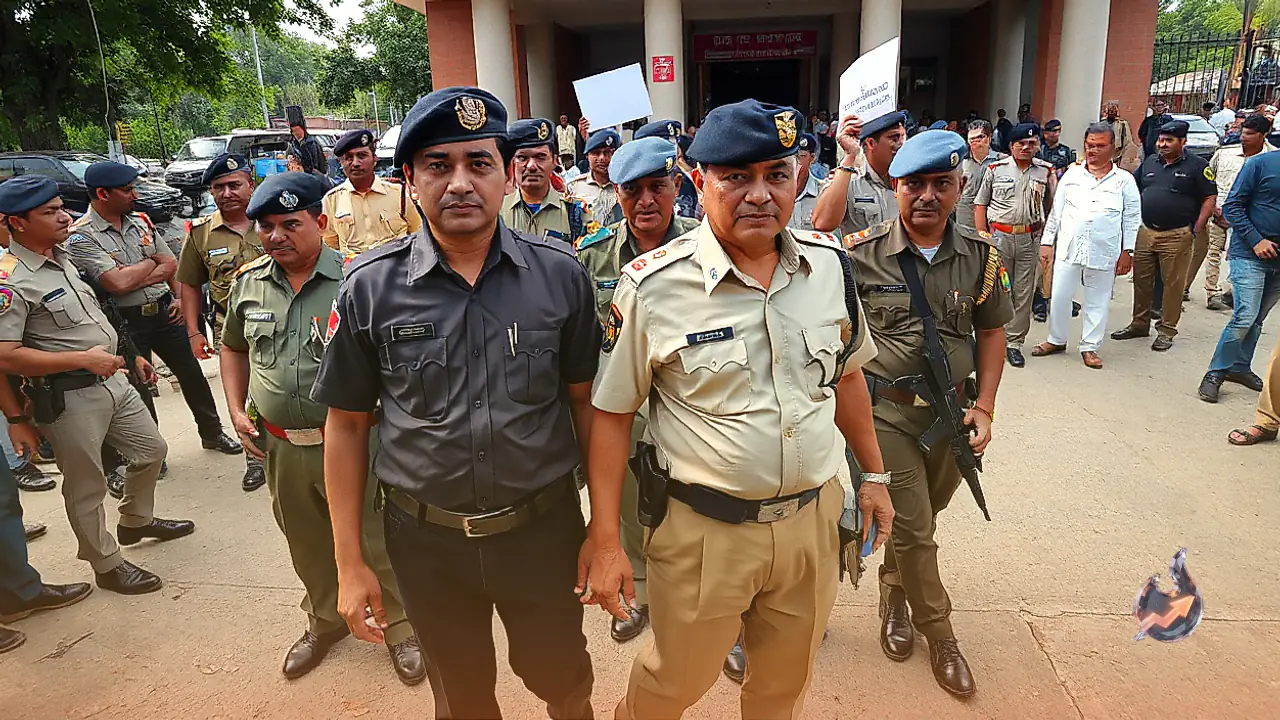
In response to escalating pollution levels, traffic authorities have deployed strict vehicular checkpoints along the Delhi-Noida border. Enforcement personnel are thoroughly screening vehicles before permitting access into the city. Entry is strictly barred for all vehicles falling below BS4 emission standards. Furthermore, authorities are inspecting every vehicle's Pollution Under Control (PUC) certificate to verify its current validity. No motor vehicle is permitted to bypass the perimeter without completing this inspection.