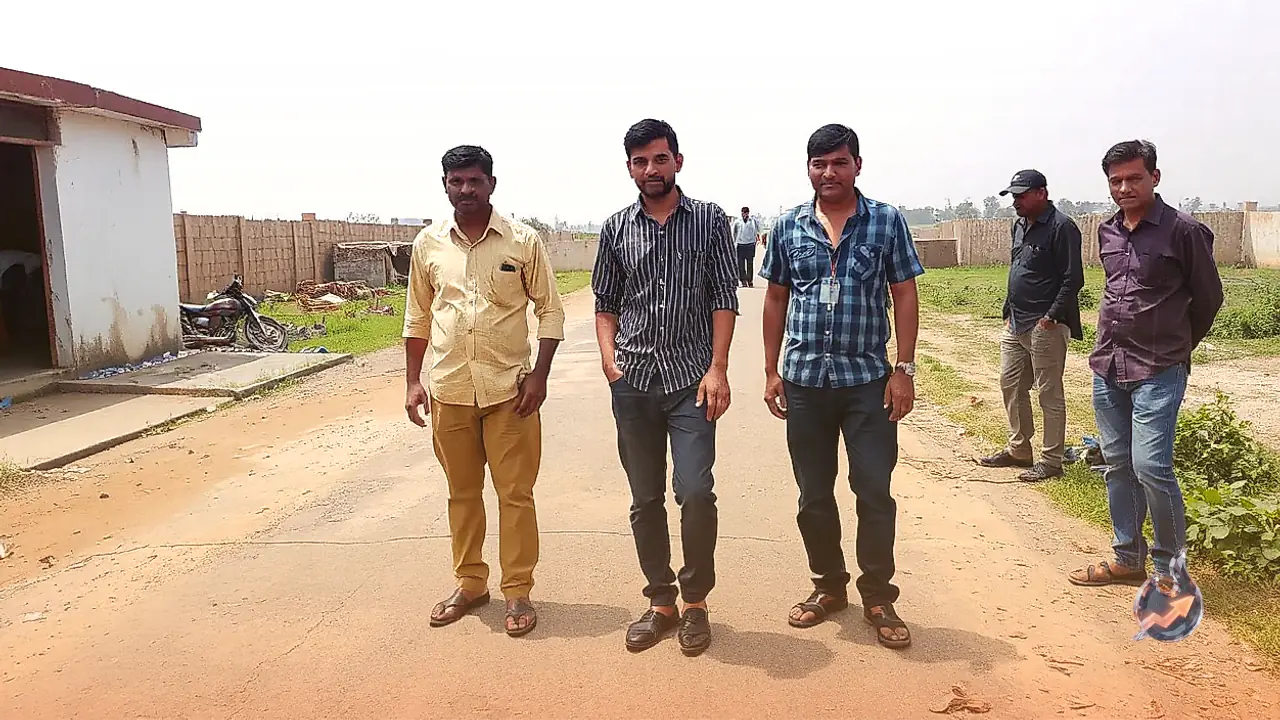


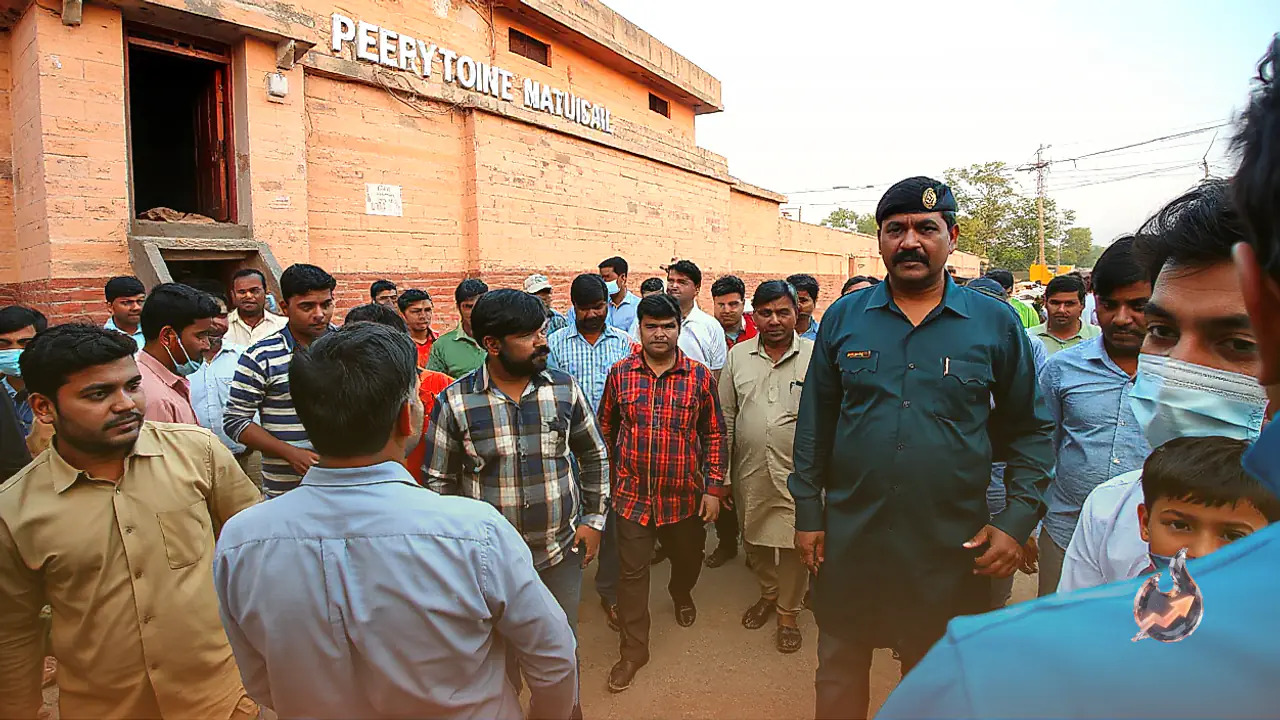

















A wild grass commonly seen growing along road verges and fallow fields across Jharkhand could soon offer a sustainable answer to single-use plastic waste. Two students from Government Polytechnic College, Khutri in Bokaro have succeeded in manufacturing sturdy, biodegradable drinking straws using the natural hollow stems of the Kash plant. Developed by students Shrishant and Khushi, the green innovation is designed to eliminate plastic refuse while solving the sogginess problem typical of paper straws.
The College Project Genesis
The concept emerged during a routine academic project. While examining local wild vegetation, Shrishant noticed that the stem of the flowering Kash plant possessed remarkable structural integrity on the outside despite being naturally hollow inside. Intrigued by this physical balance, he launched targeted research and undertook numerous practical trials before successfully shaping the raw plant stems into functional drinking straws.
Unlike conventional paper straws that rapidly soften and collapse inside warm or chilled beverages, Kash stem straws retain their rigidity and structural shape when submerged in either hot or cold water. Furthermore, the finished straws possess a shelf life ranging between six months and one year, making them commercially viable for storage and retail. Because Kash grass flourishes naturally and abundantly throughout Jharkhand, raw material procurement requires minimal capital, keeping overall production expenses remarkably low.
A Low-Cost, Zero-Machine Fabrication Technique
The manufacturing process devised by the students avoids expensive machinery and complicated industrial setups, relying entirely on basic manual procedures
- Harvesting and Sorting: Healthy, thicker, and straight Kash stems are manually collected from open fields and wasteland.
- Dehydration: The harvested stems are thoroughly sun-dried to eliminate internal moisture and prevent any bacterial or fungal degradation.
- Clearing the Core: A slender iron spoke is pushed through the dried stem to remove natural interior blockages, leaving a clean, hollow, and ventilated passage.
- Sizing and Sanitization: The stems are trimmed to standardized drinking straw lengths, thoroughly cleaned, and packaged for distribution.
Once branded, these eco-friendly straws can be distributed directly to restaurants, hotels, cafes, juice bars, and other hospitality businesses. Because the fabrication requires neither high electrical power nor complicated processing machinery, it functions perfectly as a decentralized micro-enterprise.
The Core Bottleneck: Dimensional Uniformity
Taking this handmade prototype to industrial commercialization presents one distinct operational hurdle: natural size variation. Student Khushi explained that wild Kash plants grow without standard agricultural controls, meaning each stem exhibits a slightly different diameter and thickness. Sourcing and selecting stems that conform to uniform commercial dimensions requires painstaking sorting.
Nevertheless, the student innovators maintain that once an organized sorting and grading mechanism is established, this operational hurdle can be surmounted. Overcoming the sizing challenge could unlock substantial commercial scalability, turning an otherwise neglected wild weed into a high-margin sustainable commodity.
Empowering Tribal and Rural Households
Beyond ecological preservation, the overarching vision behind the initiative is socioeconomic development. The students aspire to present their findings to policymakers and rural development agencies so that tribal communities and economically disadvantaged rural households can adopt the craft. Because Kash grass requires zero cultivation investment and grows wild, rural families can utilize local environmental resources to generate home-based self-employment without incurring capital debt.
Faculty Guidance and Policy Support
Throughout the testing and development phases, college faculty member Saraswati Kashyap provided technical mentorship and encouragement. She stressed that administrative authorities and government bodies should examine this indigenous innovation seriously. Institutional patronage and formal training workshops could help scale the grassroots model across Jharkhand, achieving the dual objective of environmental protection and sustained rural livelihoods.