






















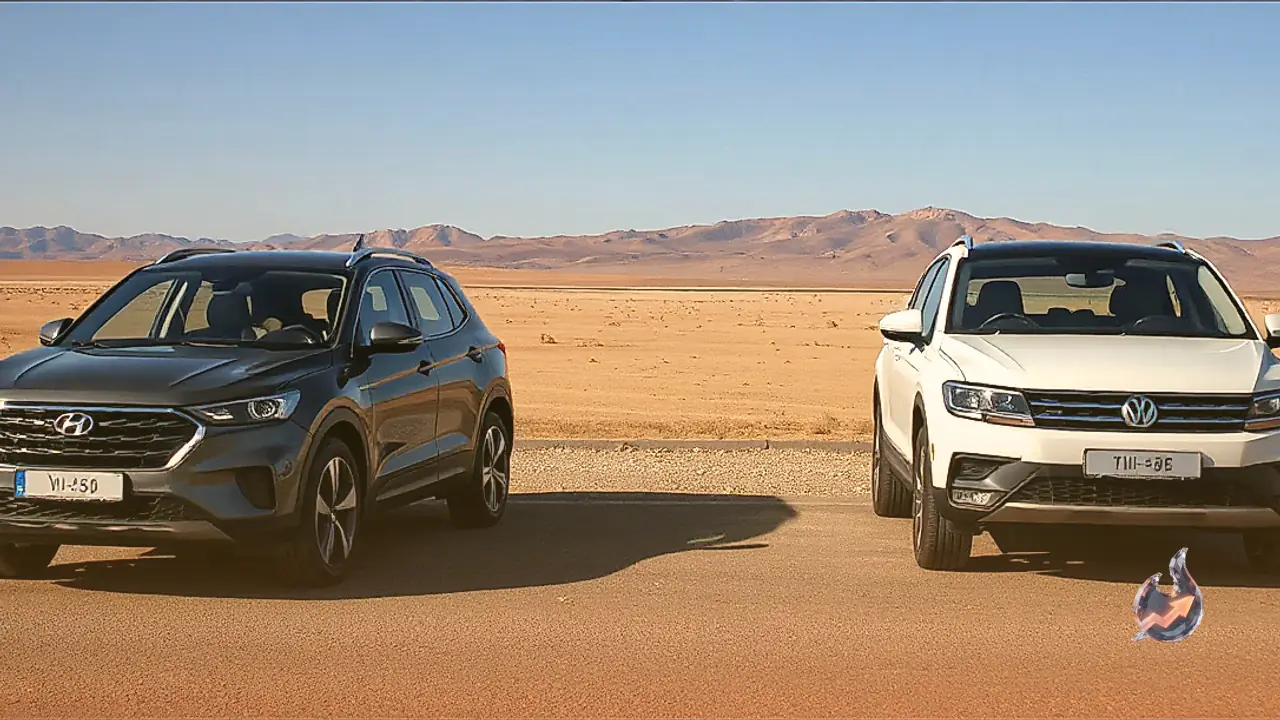

The mid-size SUV segment features a direct rivalry between the Hyundai Bayon and the Volkswagen Taigun. The newly launched Hyundai Bayon starts at an ex-showroom price of ₹9.99 lakh and goes up to ₹18.15 lakh, while the facelifted Volkswagen Taigun ranges from ₹10.99 lakh to between ₹19.29 and ₹19.47 lakh ex-showroom.
Design and Dimensions
Both vehicles target young buyers, families, and feature enthusiasts. The Bayon emphasizes value and technology, whereas the Taigun stands out for its driving dynamics and robust build quality. While the Bayon offers a lower starting price, their top-tier trims sit within a similar budget bracket.
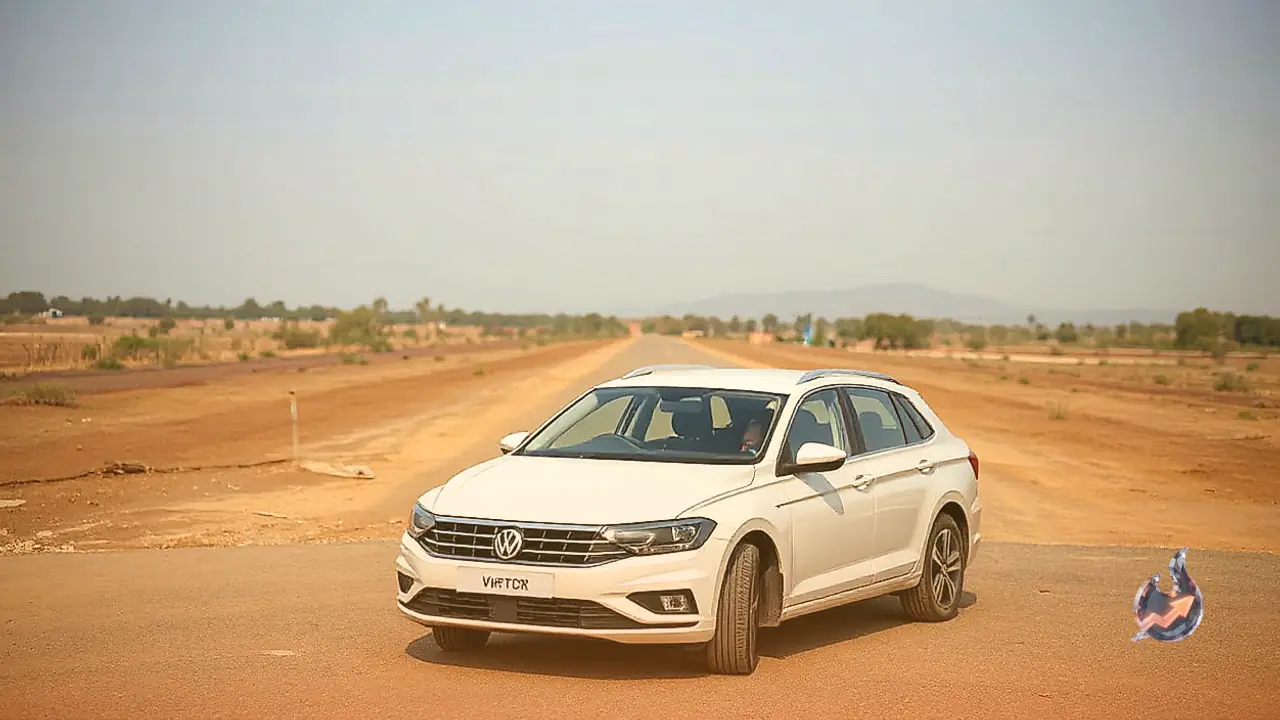
The Bayon presents a bold and modern aesthetic, incorporating split LED headlamps, H-shaped DRLs, geometric wheel arches, protective cladding, and 17-inch alloy wheels. It measures 4245 mm in length, 1810 mm in width, and features a ground clearance of 205 mm. Conversely, the facelifted Taigun showcases a sharper, more premium look complete with an updated front grille, LED lighting, and a muscular profile. Although slightly shorter at 4221 mm, the Taigun boasts a longer wheelbase of 2651 mm. Both models look appealing, though the Bayon leans toward a more youthful styling.
Cabin Comfort and Technology
Inside, the Bayon offers a spacious and feature-loaded cabin. It includes dual 12.3-inch displays, a panoramic sunroof, ventilated front seats, an 8-way powered driver seat, an 8-speaker Bose audio setup, and a 505-liter boot capacity. The Taigun provides a premium interior atmosphere with a 385-liter boot, featuring a digital instrument cluster, a touchscreen interface, and high-quality materials, while its extended wheelbase aids rear passenger room.
Technology offerings on the Bayon include wireless Android Auto and Apple CarPlay, wireless smartphone charging, connected car tech, a generative AI voice assistant, and multiple drive modes, alongside a 360-degree camera on higher trims. The Taigun also delivers wireless connectivity, a sunroof, ventilated seating, and an updated infotainment system, though advanced driver assistance features remain limited.
Safety and Engine Performance
Standard safety equipment across both models includes six airbags, electronic stability control, hill assist, and anti-lock braking systems. The top-tier Bayon features Level-2 ADAS encompassing 23 functions, while the Taigun holds a 5-star safety rating from Global NCAP, reflecting its solid construction. The Bayon has not yet been crash-tested, though it utilizes a sturdy platform.
Under the hood, the Bayon utilizes a 1.5-liter naturally aspirated petrol engine producing 115 hp and 144 Nm of torque, paired with a 6-speed manual or a CVT transmission for smooth and economical driving. Meanwhile, the Taigun offers a 1.0-liter turbo engine delivering 115 hp and 178 Nm, alongside a punchy 1.5-liter turbo engine generating 150 hp and 250 Nm, coupled with manual, 8-speed automatic, or DSG gearboxes. The Taigun holds the advantage in torque delivery and driving thrill, particularly on highways and during overtaking maneuvers, while also claiming slightly better fuel efficiency.