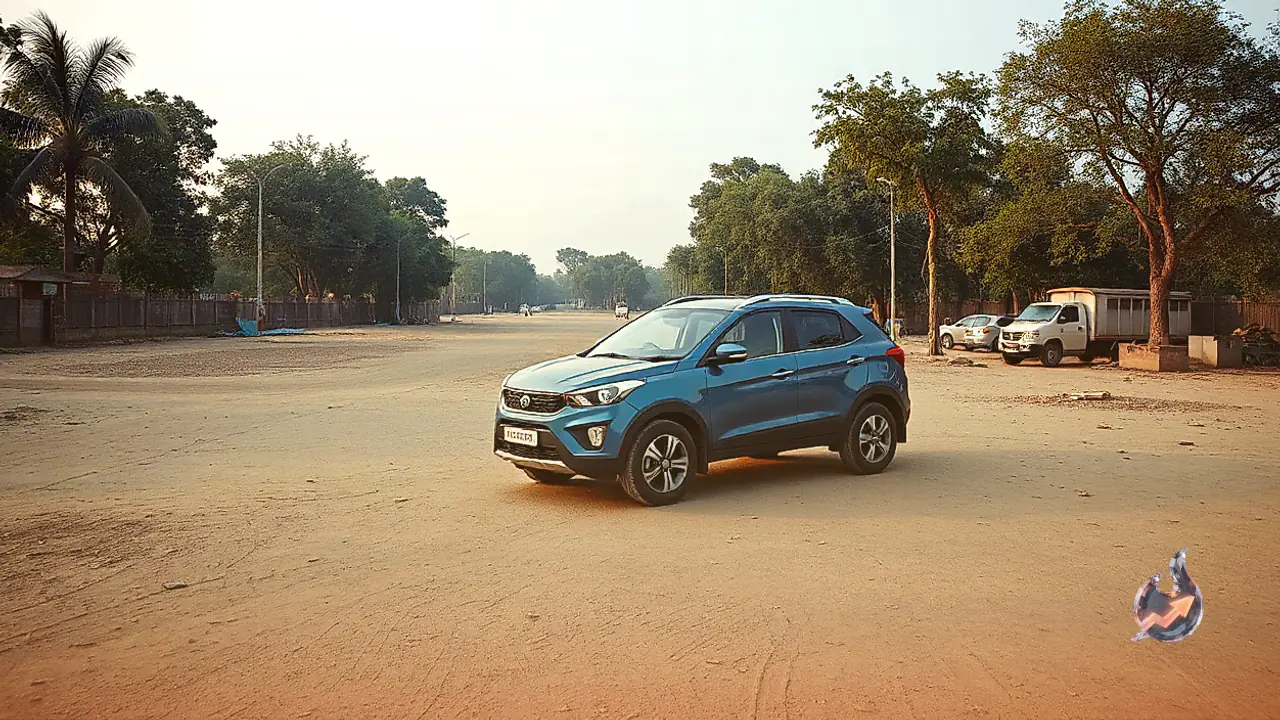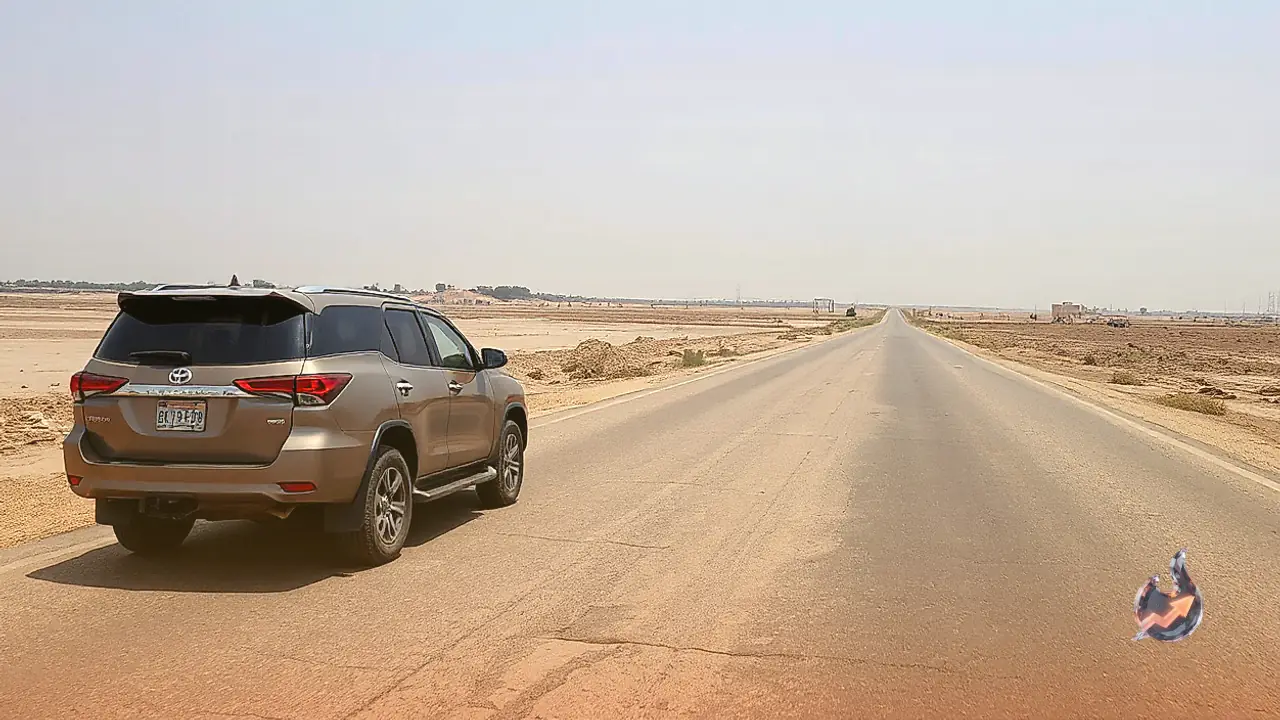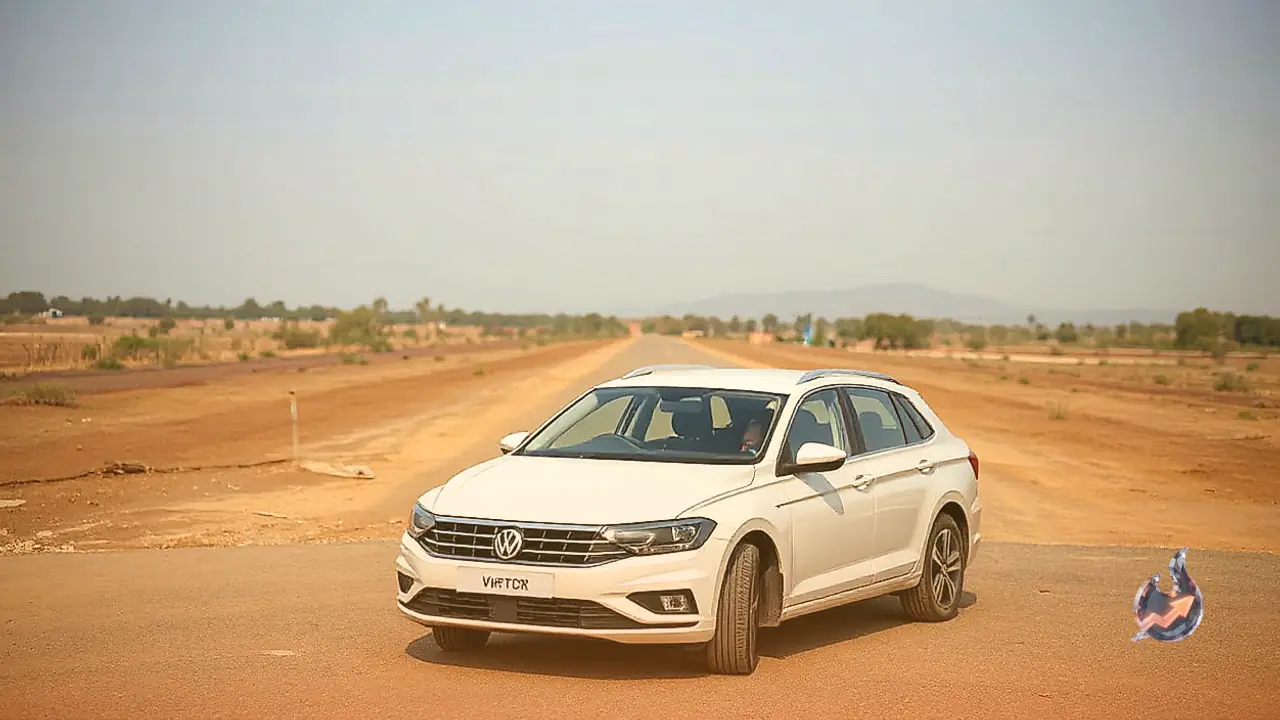























The Indian automotive market stands as one of the most competitive and unpredictable sectors across the globe. Success here is never guaranteed merely by a prestigious brand name or heavy advertising budgets, relying instead on customer social prestige, value-for-money perceptions, and practical utility. In the country, a vehicle is rarely treated as a mere mode of transportation, serving instead as a clear symbol of family prosperity and social standing. Numerous times, multinational manufacturers accustomed to global success have entered the arena with heavy investments and ambitious claims, only to fail entirely in understanding local consumer behavior. Poor positioning, mismatched styling, inferior build quality, and weak strategy combined to push several heavily anticipated models into commercial failure. Here is a closer look at five vehicles that generated significant buzz at launch but ultimately vanished from the market.
Tata Nano
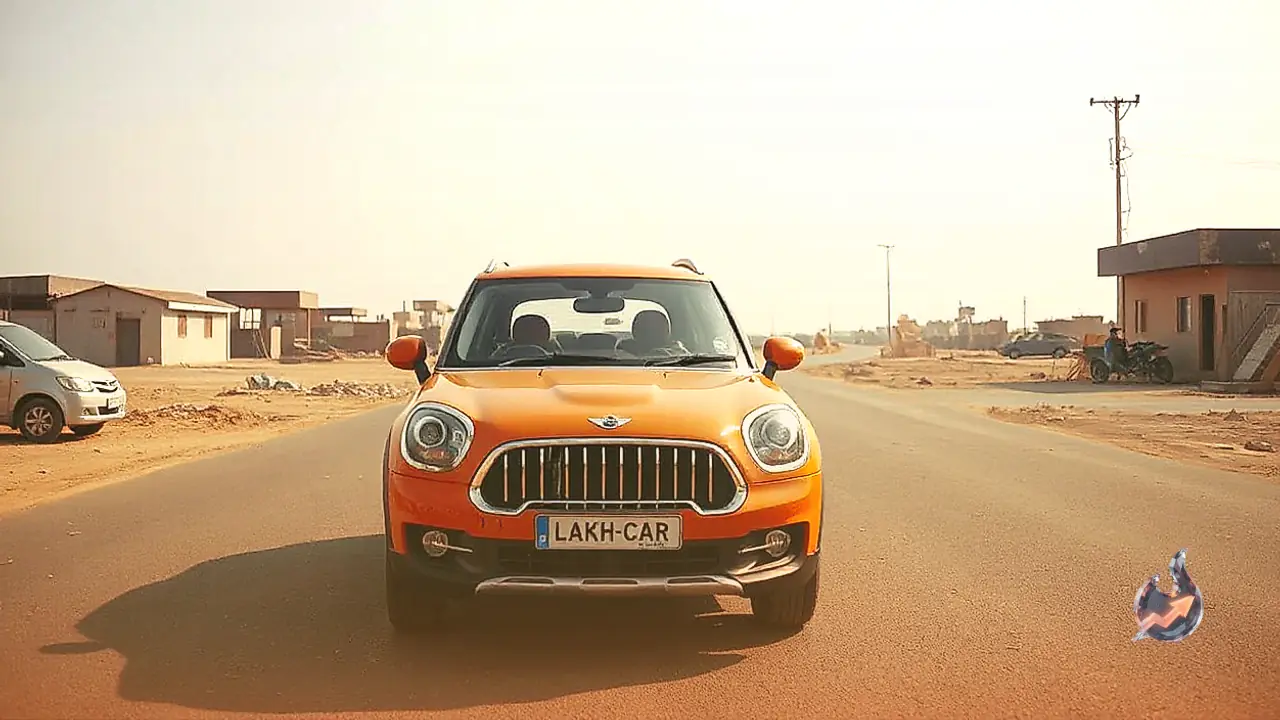
Tata Motors launched the Tata Nano back in 2009 with an initial starting ex-showroom price of roughly 1 lakh rupees, positioning it as the most affordable car in the world. Its compact egg-shaped design was specifically engineered for congested city traffic and to encourage two-wheeler riders to upgrade to a car. A rear-mounted 624cc twin-cylinder petrol engine along with commendable cabin space served as its primary highlights. However, promoting it explicitly as the cheapest car turned out to be its biggest strategic blunder. Since purchasing an automobile in India is deeply tied to social prestige, consumers actively avoided carrying the stigma of owning a budget vehicle. Early incidents involving engine fires and associated safety concerns further damaged its sales figures profoundly, earning the model the famous moniker of the lakh-car during that era.
Datsun Go
Nissan revived its historic Datsun sub-brand in India back in 2014 by introducing the Datsun Go hatchback at a starting price of approximately 3.12 lakh rupees. The vehicle featured a sharp and sporty design language, complete with a prominent hexagonal front grille and a spacious interior cabin. Equipped with a 1.2-litre petrol engine, it promised respectable fuel efficiency figures. However, in an effort to minimize production costs, the manufacturer stripped the cabin down to bare essentials. Features as basic as a covered glovebox were omitted, and the exterior body panels felt exceptionally flimsy. Global NCAP crash testing awarded the vehicle a zero-star safety rating, exposing its fragile structural integrity. Unable to withstand intense competition from established giants like Maruti and Hyundai, the vehicle failed to gain traction.
Mahindra Quanto
Mahindra introduced the sub-4-meter Quanto into the compact SUV segment back in 2012 to leverage tax benefits, pricing it initially around 5.99 lakh rupees. The front profile heavily resembled the Mahindra Xylo, while the rear section appeared abruptly chopped off. This awkward and disproportionate box-cut styling resulted in an ungainly appearance that drew criticism. Under the hood lay a 1.5-litre mHawk twin-turbo diesel engine, paired with a seven-seater layout featuring rear jump seats. Due to the heavy ladder-frame chassis combined with a high center of gravity, the vehicle suffered from pronounced body roll and unstable ride dynamics. Poor cabin comfort and unappealing aesthetics caused buyers to reject the model outright.
Chevrolet Enjoy
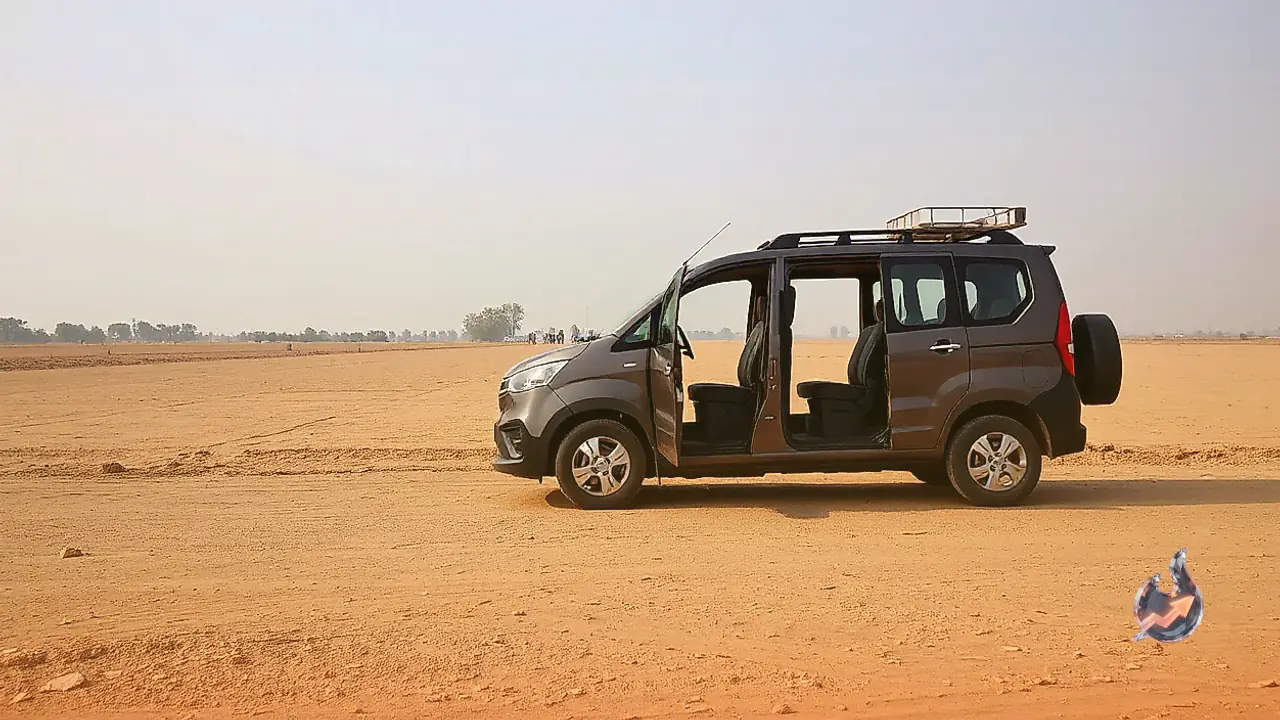
General Motors brought the Chevrolet Enjoy to the budget MPV segment in 2013 with a starting price of roughly 5.49 lakh rupees to compete against the Maruti Ertiga. Its aesthetic was derived from Chinese partner SAIC platforms, resulting in an appearance that was plain, flat, and closely resembled a commercial utility van. Offering seven and eight-seater configurations alongside a 1.3-litre diesel engine and a roomy cabin were its primary selling points. Nevertheless, subpar plastic finishes, excessive cabin noise, and a structurally weak safety framework left buyers thoroughly disappointed. Global NCAP assessments yielded a zero-star safety score for the model. Its utilitarian van-like visual appeal and poor resale value proved to be major catalysts in its commercial failure.
Nissan Terrano
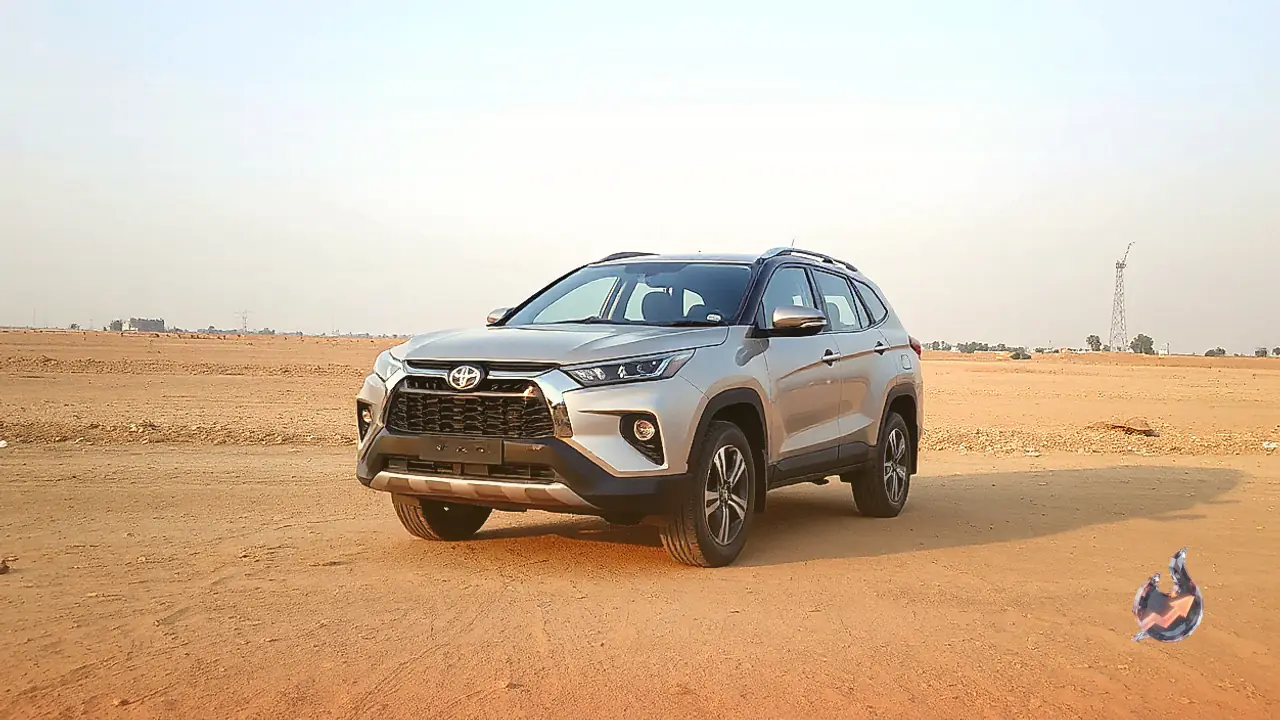
Following the tremendous market success of the Duster under the Renault-Nissan alliance, Nissan rolled out the Terrano in 2013 with a starting tag of roughly 9.59 lakh rupees. Visually, it appeared more premium than the Duster, boasting an aggressive honeycomb front grille, sleek headlamp units, and a muscular stance. Powered by a 1.5-litre dCi diesel engine, it delivered impressive suspension tuning and road handling characteristics. However, the company priced the model roughly 1 lakh rupees higher than the Duster without introducing any meaningful interior or mechanical upgrades. Consumers found little justification in paying a premium for an identical cabin and engine setup. Furthermore, Nissan's limited service network coverage severely restricted its reach, halting its market prospects permanently.