





















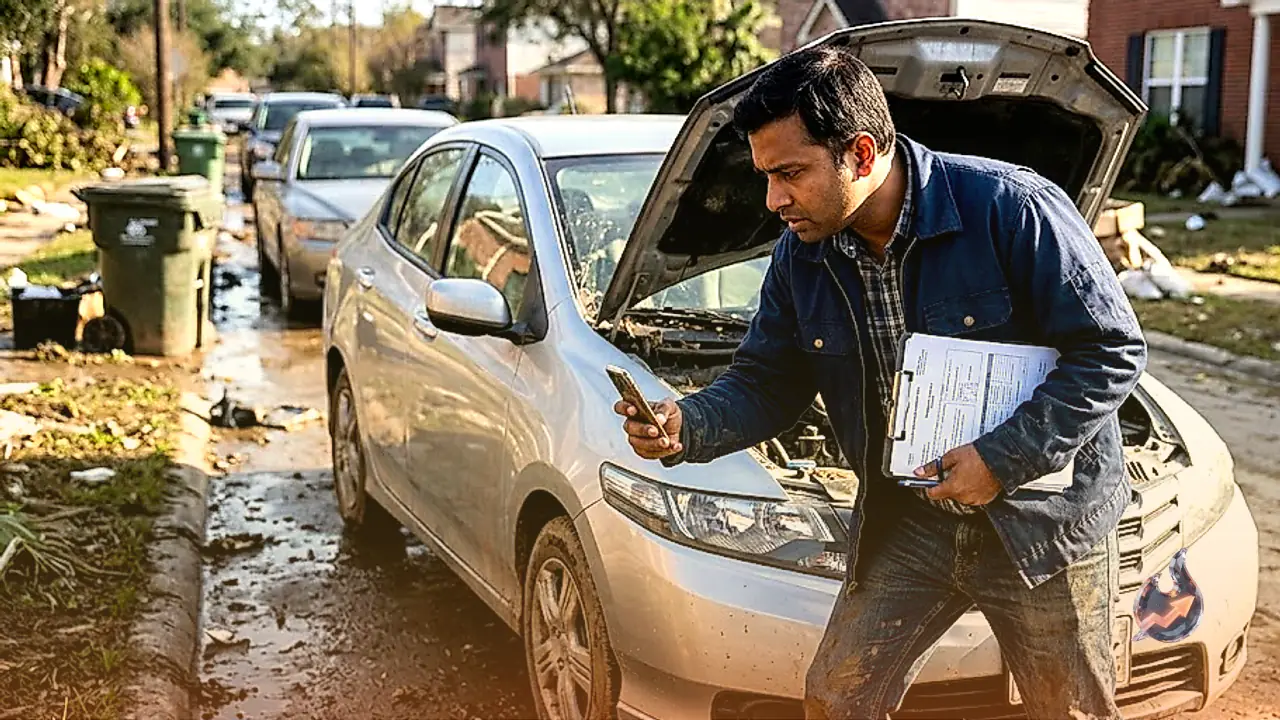

When monsoon floodwater swallows a car or a scooter, the real battle often begins only after the water recedes, at the insurance company's counter. Getting the full claim amount depends less on luck and more on what a vehicle owner does in the first few hours after the vehicle goes under.
Comprehensive cover, not third party, is what pays for your own vehicle
A third-party policy only pays for damage caused to someone else's person or property, it does nothing for your own car or bike sitting underwater. Only a comprehensive policy covers damage from natural calamities such as floods and cyclones, and if the policy includes an engine protect add-on, costs linked to hydrostatic lock are covered too. Under IRDAI guidelines, insurers are expected to fast-track such claims, provided the policyholder submits the right paperwork within the right timeframe.
The moment a vehicle is stuck in water
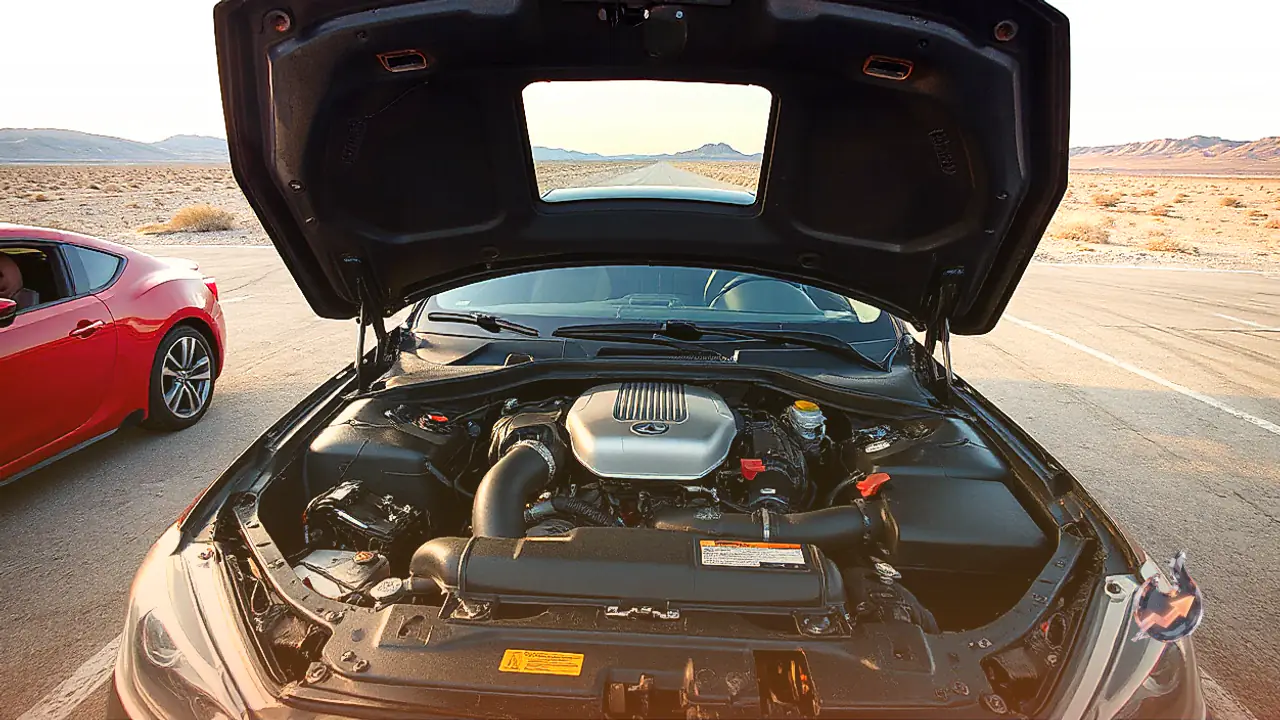
The single biggest rule is never to attempt to start a vehicle that has been submerged. Doing so can force water into the engine and cause a hydraulic lock, which is one of the most common reasons claims get rejected. Disconnect the battery if it's safe to do so, but do not try to push or move the vehicle yourself. Instead, call the insurer and arrange for towing, most insurers offer this free through their roadside assistance service. This rule applies equally to cars and two-wheelers.
Why photo and video evidence matters
Before touching the vehicle, take thorough photographs and videos, covering all sides, the engine bay, the dashboard, the seats, how high the water level reached, and the surrounding area. These visuals later become the strongest evidence during claim processing. Even once the floodwater recedes, resist the urge to clean the vehicle, wait until the company's surveyor has inspected it. Avoid parking on roadsides or low-lying spots, choose higher, safer ground to prevent further damage.
Report the incident within 24 to 48 hours
Insurers must be informed of the incident within 24 to 48 hours, any delay increases the risk of the claim being turned down. Intimation can be given through the company's helpline number, mobile app, website or an agent. At this stage, the policy number, vehicle details, and the date and location of the incident all need to be shared. The claim registration number generated after this intimation should be kept safe, since the entire process is tracked using that number.
Documents to keep ready before filing
A few documents need to be in hand before the claim process can begin. The vehicle's Registration Certificate, or RC, is the first requirement. If the vehicle has been swept away and cannot be traced, an FIR must be filed at the police station. For a financed vehicle, a No Objection Certificate from the financer is required. For larger claims, AML documents such as a PAN card and Aadhaar may also be sought. These documents can be uploaded to file the claim online, and in many cases a garage estimate also strengthens the claim.
How the surveyor inspects and assesses the damage
Once the incident is reported, the insurance company sends a surveyor who physically inspects the vehicle, assesses the damage and prepares a report. No repair work should be started before the surveyor arrives, doing so can jeopardise the claim. If the repair cost works out to more than 75% of the vehicle's IDV, or Insured Declared Value, the case is treated as a total loss and the payout is based on the IDV, minus the deductible. Some network garages offer a cashless repair facility, while others require reimbursement after the owner pays upfront. The same rule applies to two-wheelers as well.
When the vehicle is swept away or declared a total loss
If a vehicle is swept away in the flood and cannot be found, an FIR must be filed first. A non-traceable certificate then needs to be obtained from the police, based on which the insurance company settles the claim according to the IDV. Even if the vehicle is later located, if the damage is severe enough, it is still treated as a total loss.
Settlement timeline and mistakes to avoid
Once all required documents are submitted, the insurer is expected to settle the claim within 30 days. Under IRDAI rules, a delay beyond that can entitle the policyholder to interest on the amount. Choosing a network garage makes the cashless repair process considerably smoother. Most claims get rejected for the same avoidable reasons, delayed reporting, incorrect or incomplete documents, or starting a submerged vehicle's engine.
It helps to review policy terms before the monsoon season sets in and opt for an engine protect add-on along with zero depreciation cover. Keeping digital copies of all documents handy saves precious time during an emergency. A little caution and the right sequence of steps can ensure a vehicle owner receives the full compensation they are entitled to, even in a crisis as disruptive as a flood.