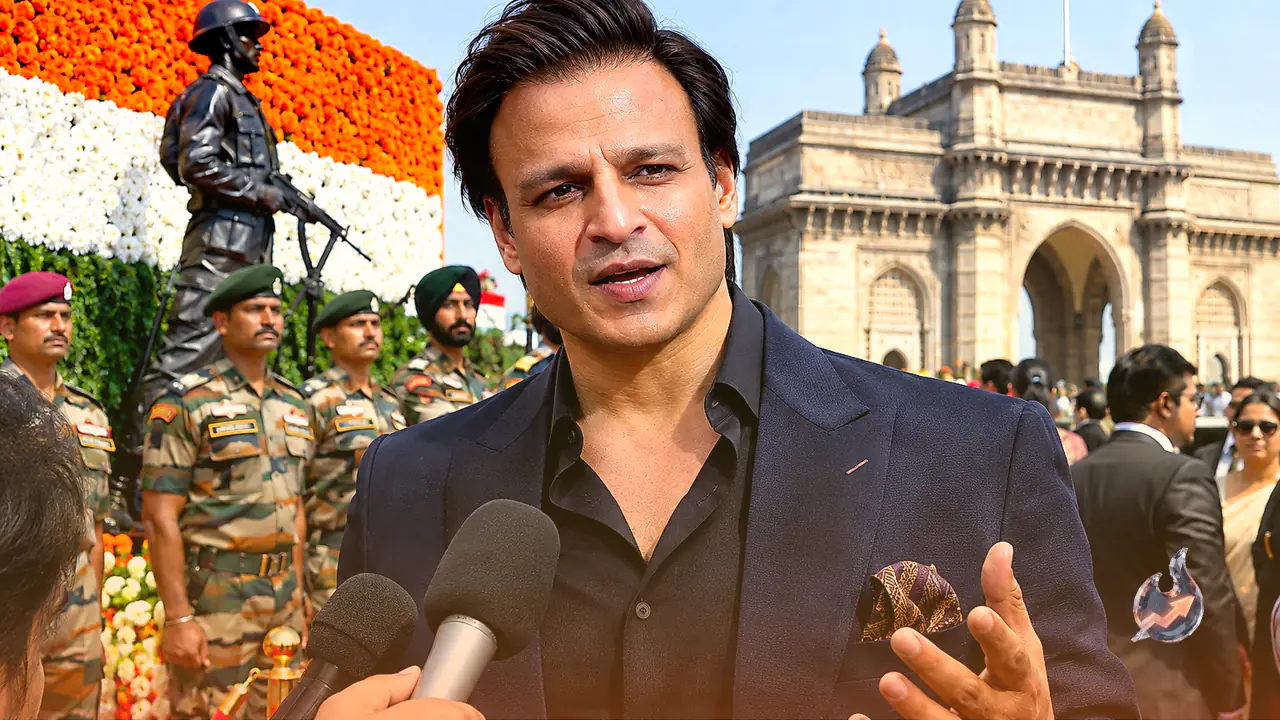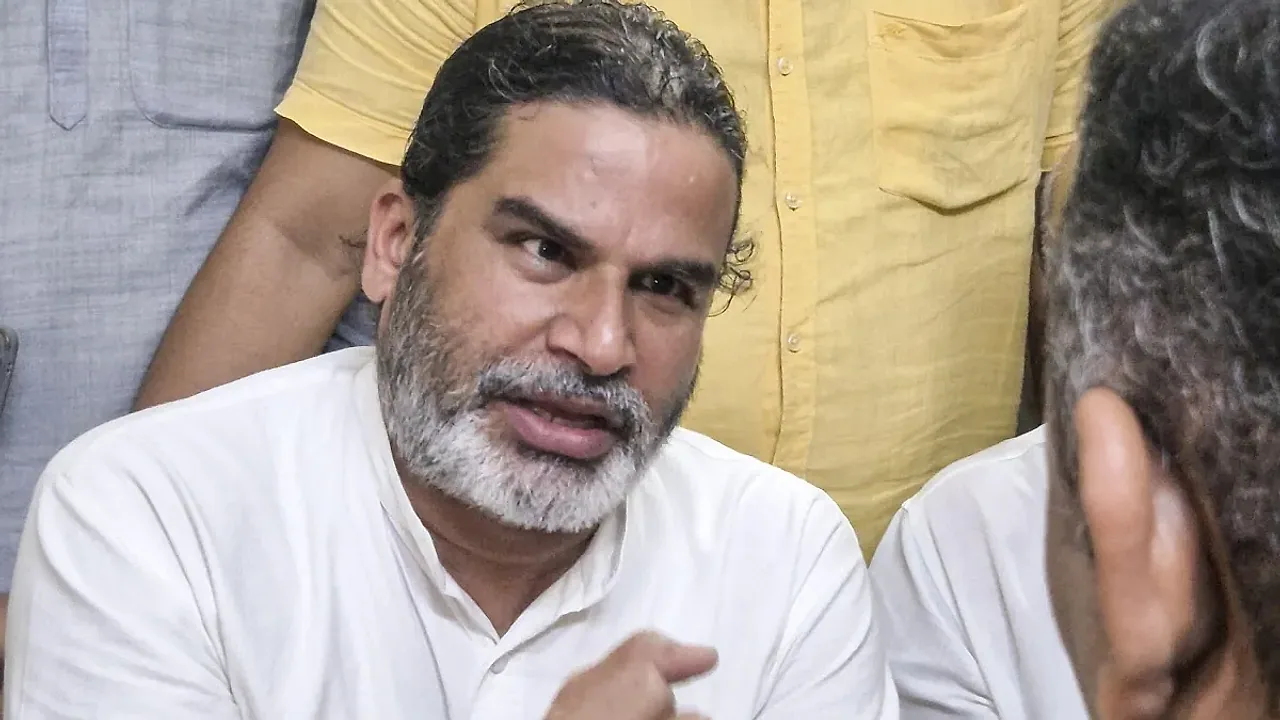

Weighing in on the ongoing discussions surrounding delimitation, Jan Suraaj founder and Bankipur MLA Prashant Kishore has delivered a sharp critique regarding public trust in national institutions. He noted that boundary readjustments are not an unprecedented phenomenon in the country, pointing out that a similar exercise took place back in 1998. However, he emphasized that the core issue today is the profound lack of faith that a substantial segment of society holds toward the government, the judiciary, and the election commission, which is precisely why citizens are pushing back against the move.
Allegations Against Sanjay Jaiswal Over Fuel Billing
Shifting focus to local governance, Kishore leveled serious accusations against BJP leader Sanjay Jaiswal. He alleged that crores of rupees worth of fuel were fraudulently drawn in Bettiah Municipal Corporation for vehicles that did not even exist on the ground. Elaborating further, he stated that the municipal body had previously passed a resolution warning against procuring fuel from a specific pump, claiming it dispensed only 5 liters while billing for 15. Directing a verbal jab at the ruling party, he remarked that while members of the BJP often label political opponents as fodder thieves, they are engaged in fuel theft themselves.
Proposed Expansion and Seat Distribution Projections
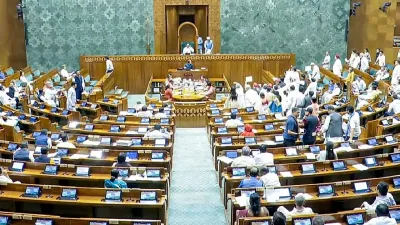
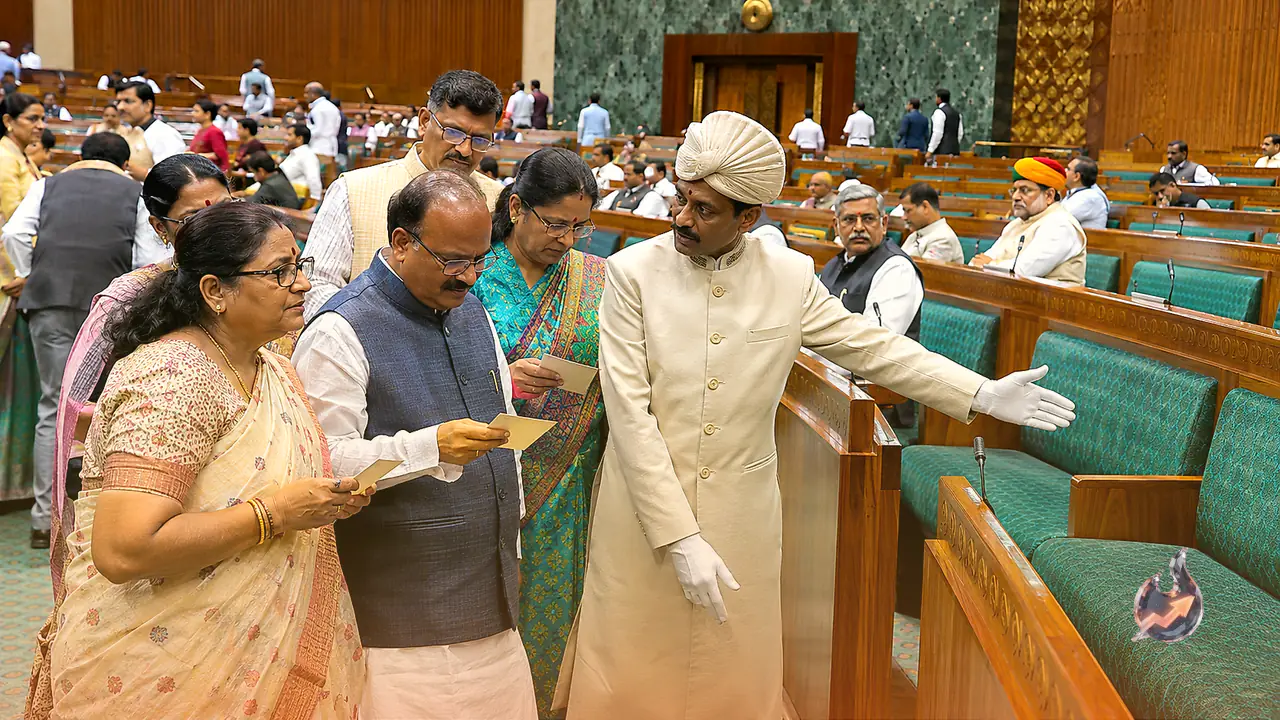
Meanwhile, details emerging from preliminary assessments suggest that the proposed delimitation framework could involve a uniform 50 percent increase in Lok Sabha seats across all states and union territories. If implemented, this formula would expand the total strength of the lower house from its current 543 seats up to 824. A notable aspect of this projected formula is that no state or union territory would experience a reduction in its existing seat count.
Comparative analyses of the potential outcomes outline two distinct distribution approaches. The first method focuses on redistributing seats strictly according to population based on the 2011 census data, while the second method proposes a flat 50 percent boost to every region's current allocation.
Under the uniform percentage increase formula, Bihar's parliamentary representation could grow from 40 to 60 seats. Similarly, Uttar Pradesh could see its tally climb from 80 to 120, Maharashtra's share could expand from 48 to 72, and West Bengal's seats could increase from 42 to 63. This proportional adjustment aims to grant additional representation to states based on their existing legislative footprint.