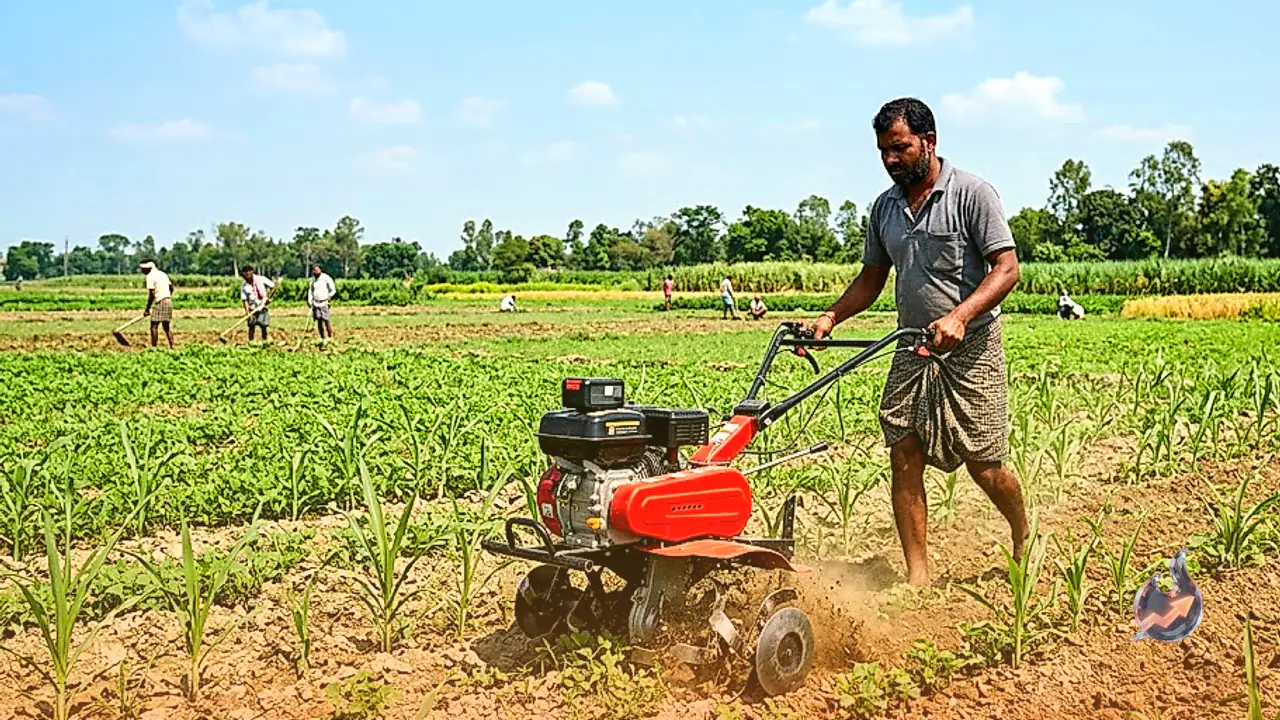























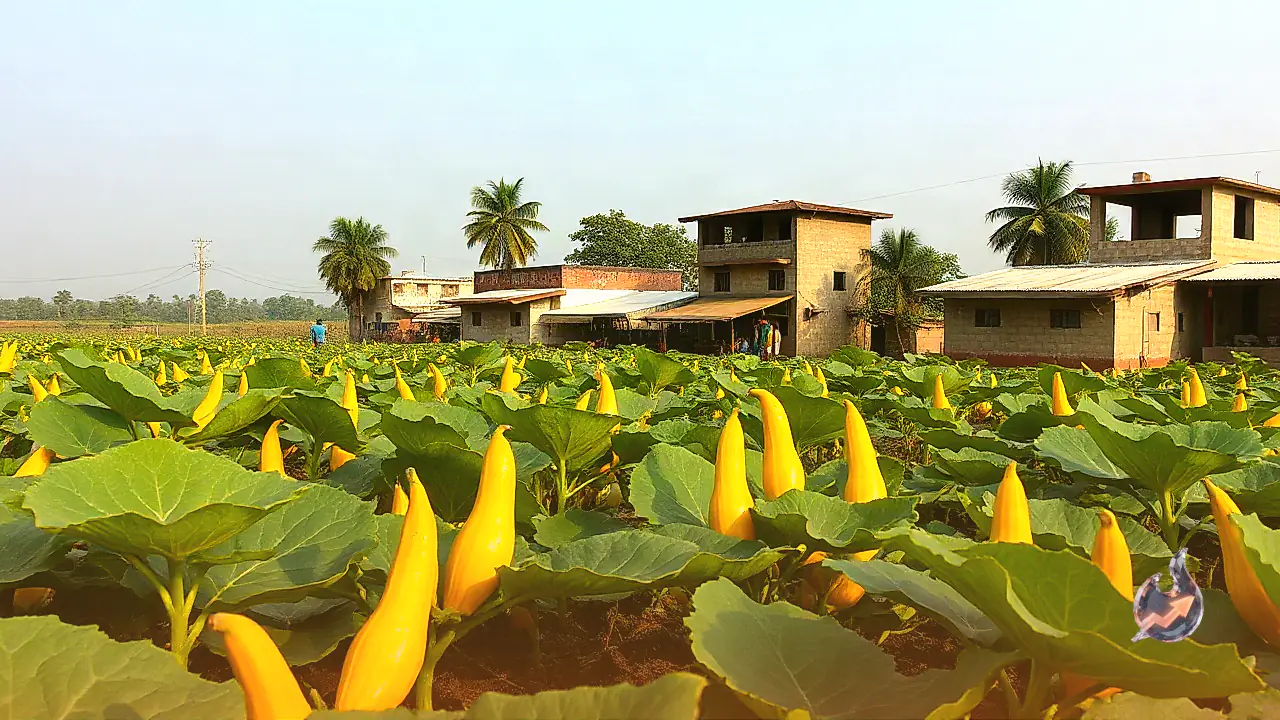

Monsoon farming often presents a profitable opportunity for pointed gourd cultivators, but growers across Darbhanga are currently confronting a tough challenge in their fields. The vines of the crop, commonly known as parwal, have begun showing noticeable yellowing across their foliage, while developing fruits are also turning pale and dropping prematurely. This unexpected deterioration has triggered widespread anxiety among local farmers, who fear a steep decline in overall yields and significant financial losses.
Addressing these concerns, Romi Kumari, Assistant Director of Plant Protection in Darbhanga, explained that this widespread yellowing is not an arbitrary blight. Instead, it stems from two specific agronomic issues: severe waterlogging around root systems and aggressive pest infestations. When left unchecked, these two factors can rapidly ruin an entire field, making immediate intervention vital for protecting the harvest.
Waterlogging And Root Decay Disrupt Nutrient Absorption
The first major cause behind the discoloration is the stagnation of water following relentless rainfall or excessive irrigation without adequate drainage channels. When standing water remains in the soil, the persistent moisture suffocates the root zone and triggers root rot. As a consequence, the roots lose their ability to draw vital nutrients from the soil. Deprived of essential nourishment, the leaves across the vines wither and turn pale yellow, while developing gourds cease to mature.
To remedy waterlogging, establishing an efficient runoff network across the plot is an essential priority. Farmers need to carve out continuous perimeter trenches around their fields so that surplus water can drain away without pooling. For long term protection, adopting the bed and furrow method right from planting time proves remarkably effective. This configuration guarantees consistent aeration around root zones, keeping the root system healthy and resilient against rotting.
Fruit Fly Invasions And Targeted Trap Solutions
The second primary threat undermining the pointed gourd crop is the destructive fruit fly. This pest initiates its attack during the early phases of fruit development. The female fly pierces young gourds to lay eggs directly beneath the skin, causing developing maggots to feed internally. Infected fruits rapidly turn yellow, rot from the inside, and drop off the vines before reaching marketable maturity.
To neutralize fruit fly invasions, farmers are encouraged to install lure traps across their plantations. Specialists recommend hanging these traps roughly 4 inches above the ground, right alongside the climbing vines. The pheromone or chemical attractant inside draws the flies into the trap, where they become trapped and perish. Deploying these units early in the season curtails pest populations before major infestations take hold, ensuring that developing gourds remain unharmed.
Field Monitoring And Best Agricultural Practices
Maintaining crop health requires farmers to conduct systematic field inspections every 7 to 10 days. During these checks, any visibly yellowed leaves or fallen, damaged fruits should be gathered and destroyed immediately rather than left on the soil. Furthermore, applying balanced fertilization and practicing disciplined crop rotation are critical habits that enhance plant vigor and disrupt recurring pest cycles.
Romi Kumari emphasized that growers should not panic over the yellowing symptoms. With timely drainage management, regular scouting, and the strategic deployment of lure traps, farmers can successfully protect their pointed gourd vines and secure a bountiful harvest.