





















The arrival of October has brought an extended break for schoolchildren across India as national celebrations align with the weekend. With Mahatma Gandhi Jayanti falling on a Friday on October 2, students in multiple regions are receiving a continuous three-day stretch away from classrooms. The confluence of Friday, Saturday, and Sunday provides an extended window of rest, with educational boards from Uttar Pradesh, Delhi, Bihar, and West Bengal to Tamil Nadu aligning their schedules according to official guidelines and local festive calendars.
Gandhi Jayanti Creates Extended Holiday Window
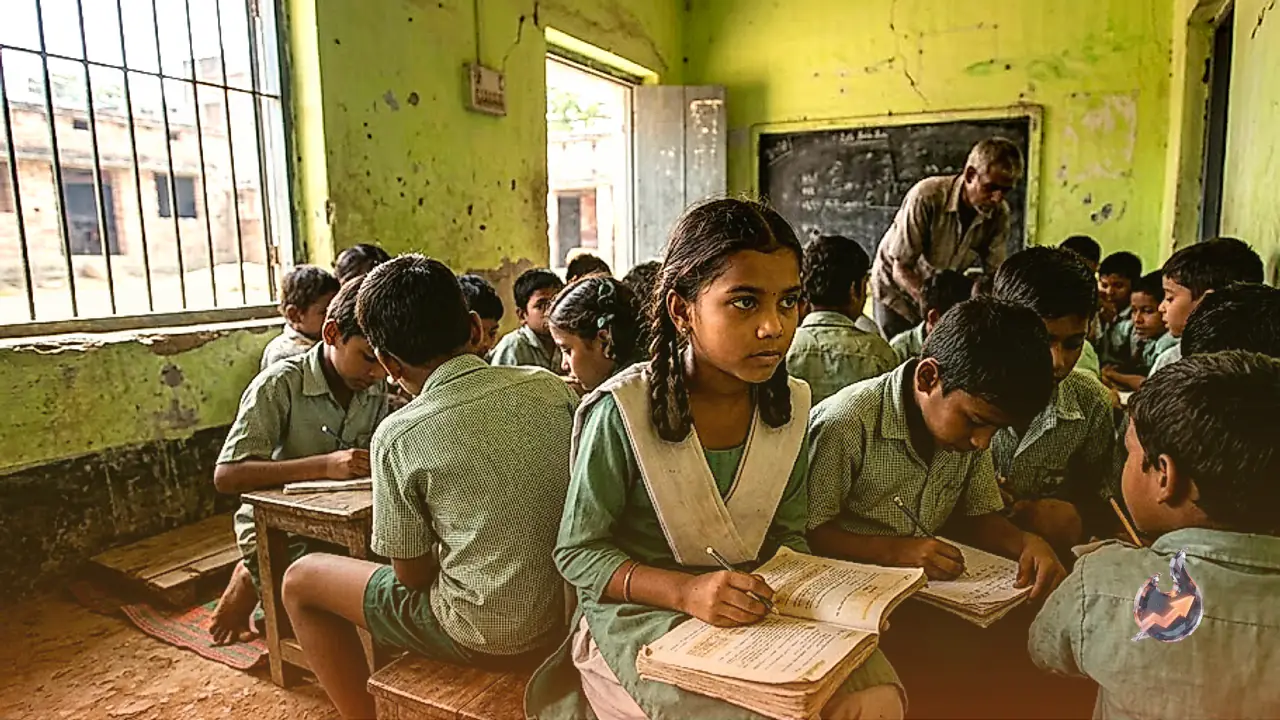
Observed as a compulsory national holiday, Gandhi Jayanti ensures the total suspension of academic and administrative work in schools across the country. Because the anniversary occurs on a Friday, several states are seeing it blend directly into customary weekend schedules. In regions such as Uttar Pradesh, Delhi, and Jharkhand, operations on Saturday vary according to each institution's specific yearly planner, followed by the standard Sunday closure. This sequence has delivered an unexpected three-day pause for numerous institutions.
Regional variations are also prominently shaping academic calendars across different states. In Tamil Nadu, educational institutions had already paused operations following the conclusion of quarterly examinations, keeping campuses shuttered through October 4. Meanwhile, West Bengal is witnessing an early onset of celebratory pauses as preparations for Durga Puja begin across communities. For a substantial portion of students, this initial stretch of October provides a welcome interval of leisure and holiday festivities.
Rising Rivers Submerge Classrooms Across Bihar
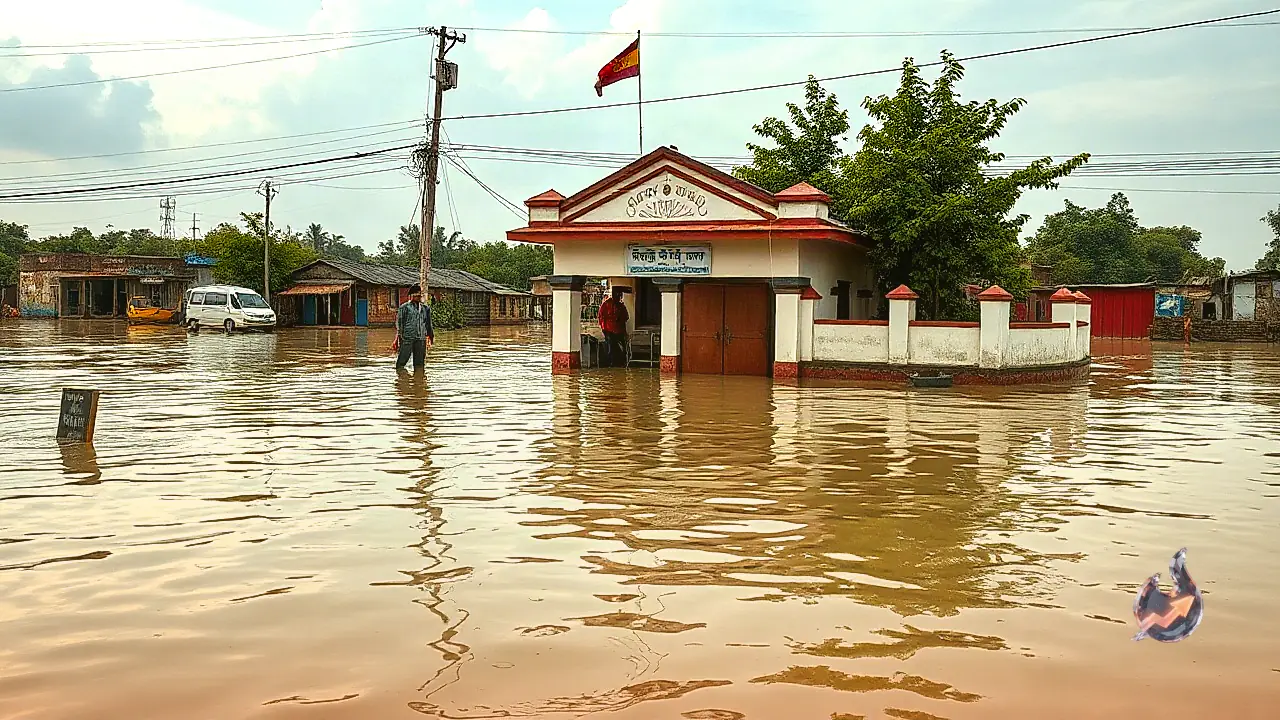
In sharp contrast to the holiday cheer seen elsewhere, communities across Bihar are grappling with acute environmental distress. Severe flooding has struck approximately 9 districts in the state, driven by surging water levels in the Gandak, Kosi, Bagmati, and Kamla Balan rivers. Areas including West Champaran, Supaul, Saharsa, and Gopalganj are experiencing widespread displacement and waterlogged settlements.
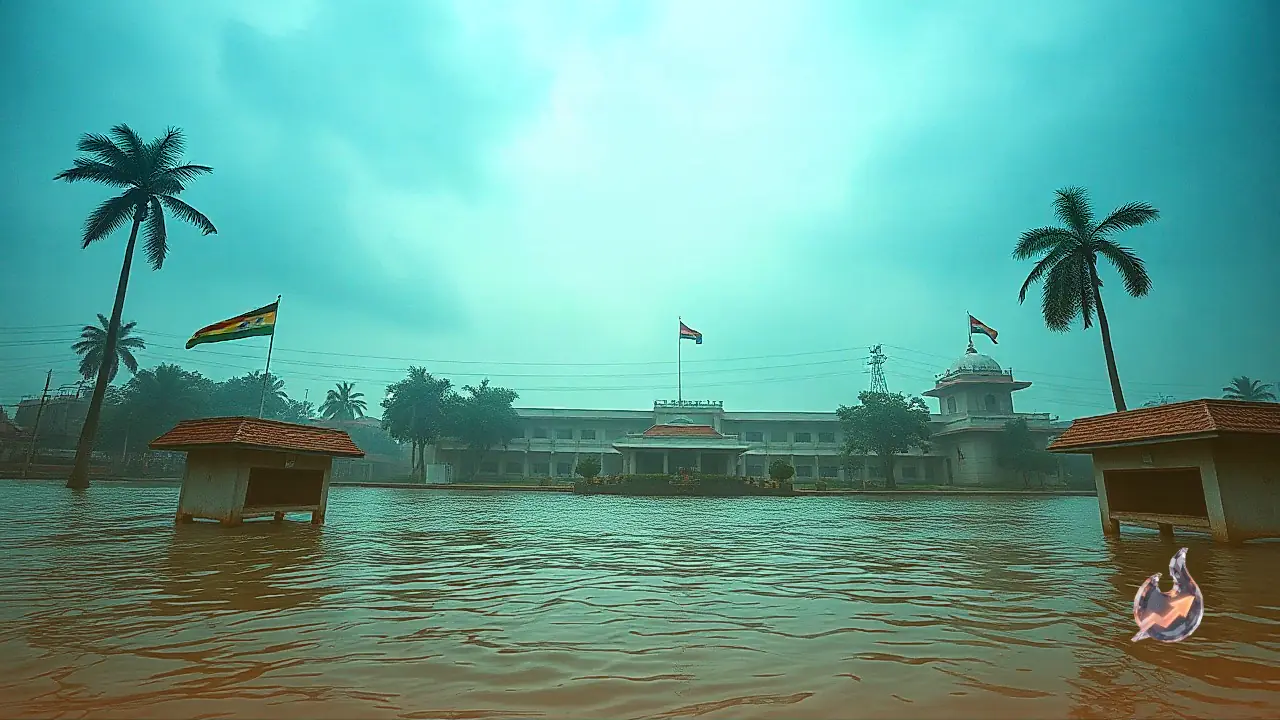
The situation in West Champaran has turned particularly alarming following continuous discharges from the Gandak Barrage. Across 10 administrative blocks, a population exceeding 500,000 residents has been directly impacted by deluge waters. In Bagha town, floodwaters have breached residential quarters and municipal administrative complexes across multiple municipal wards. Road connectivity has snapped in several locations, and with dozens of educational facilities inundated by muddy waters, regular classroom instruction has ground to a complete halt.
Government Response and Rescue Operations
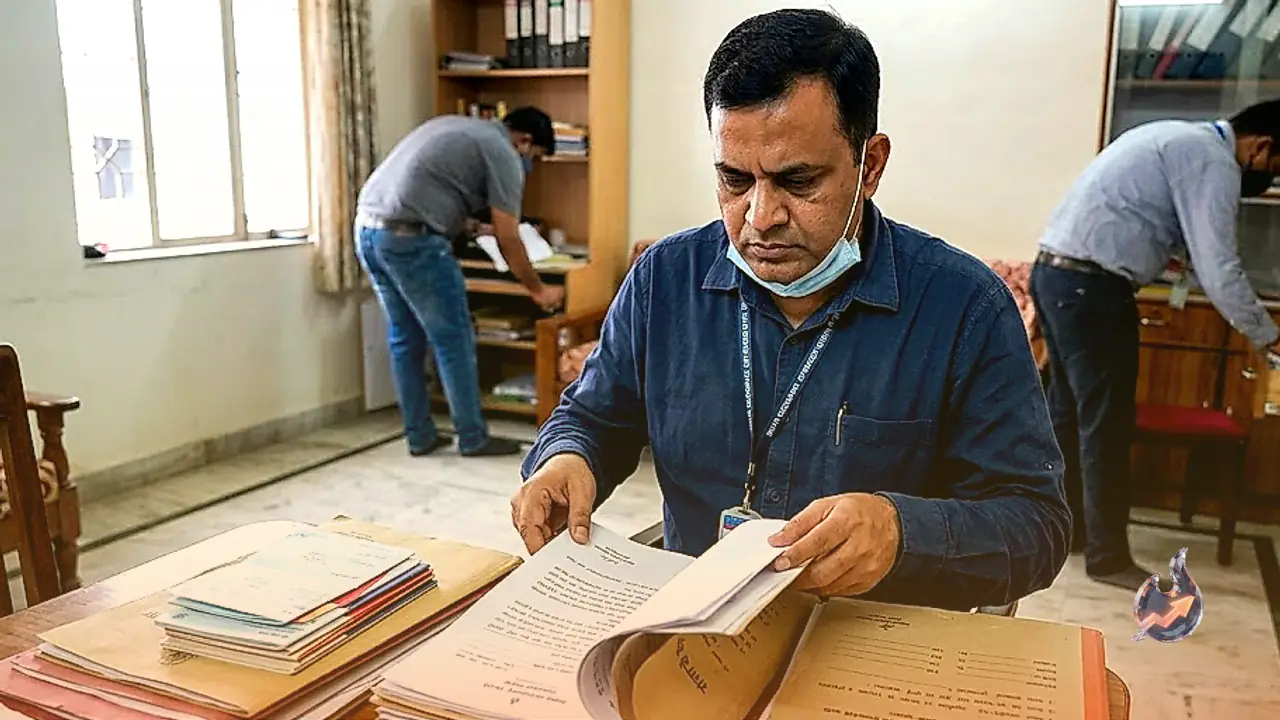
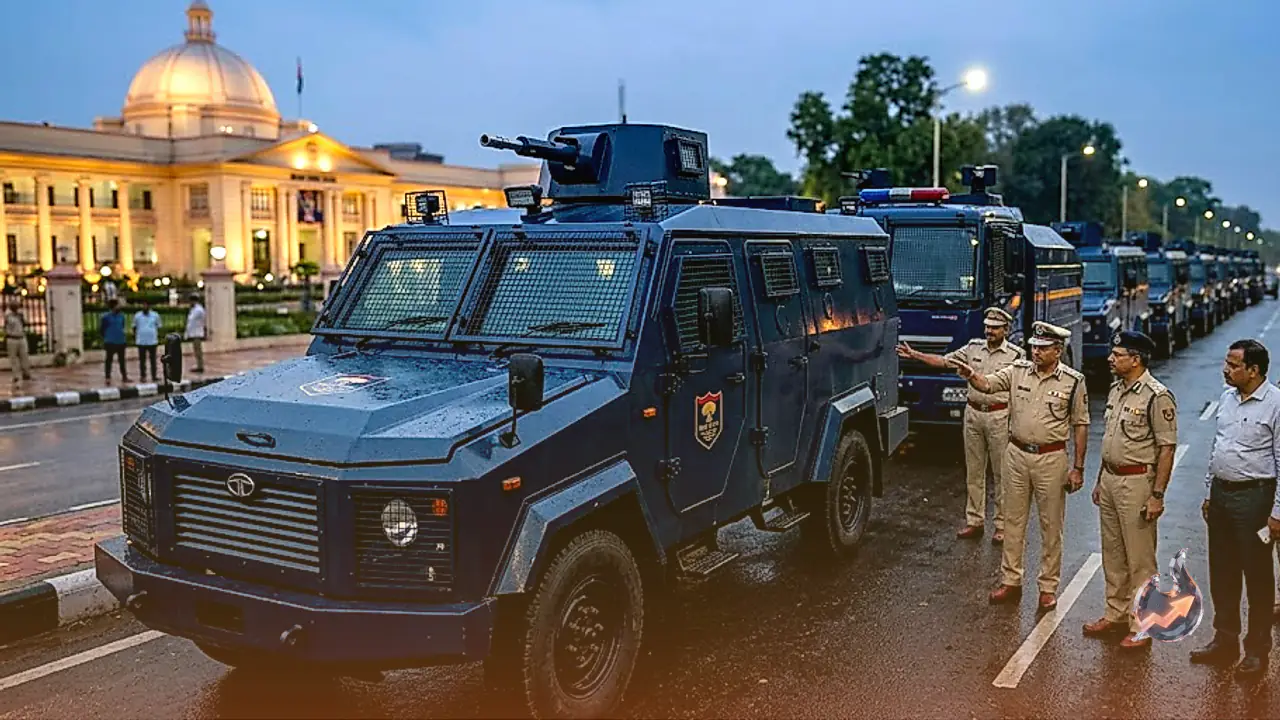
Faced with deteriorating conditions on the ground, state authorities and disaster management teams have escalated field measures. An aerial survey of the worst-hit zones has been carried out at the chief ministerial level to evaluate the physical extent of damage and coordinate rescue priorities. Administrative personnel have been given categorical directives to maintain maximum urgency and ensure that relief operations proceed without any procedural lapse.
Teams are deploying boats to transport marooned villagers and young children away from submerged neighbourhoods into designated rescue shelters. Essential supply drives are also underway to distribute rations, packaged meals, and potable drinking water to displaced families. The start of October presents two strikingly divergent realities across the country, highlighting how national holiday breaks bring quiet celebration to one region while vulnerable communities in flood-hit Bihar confront a protracted battle for safety and basic survival.