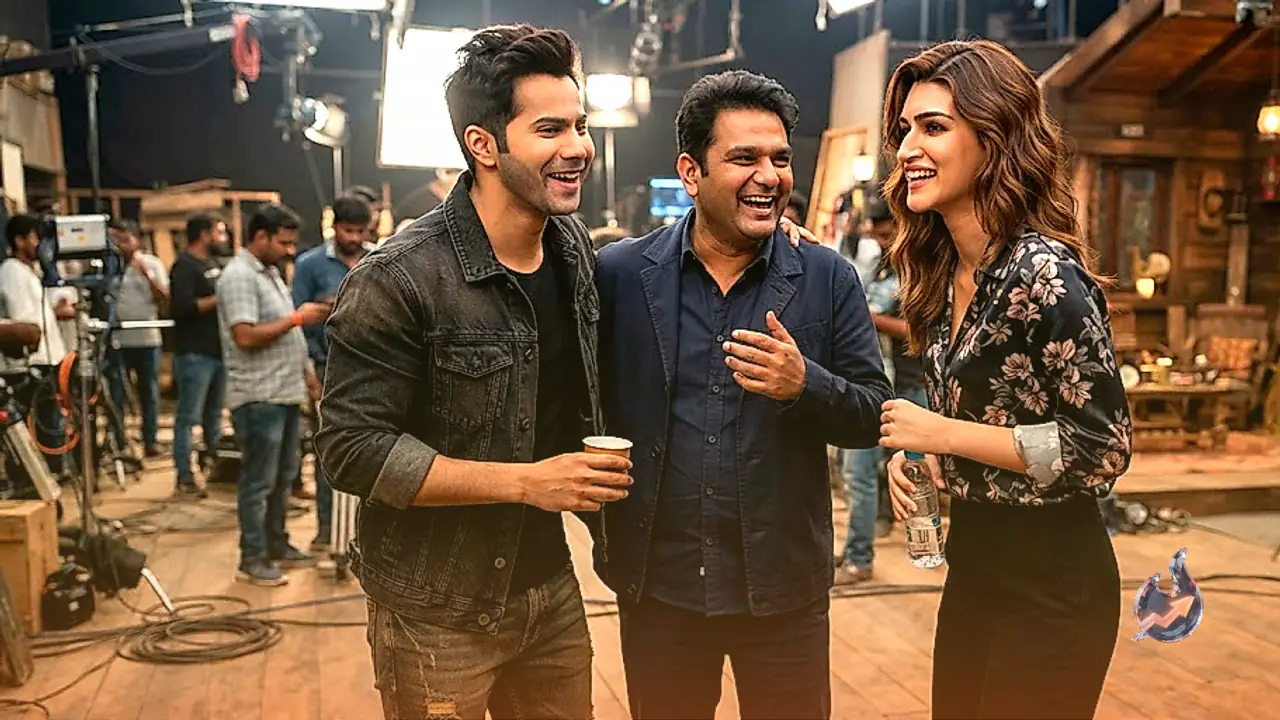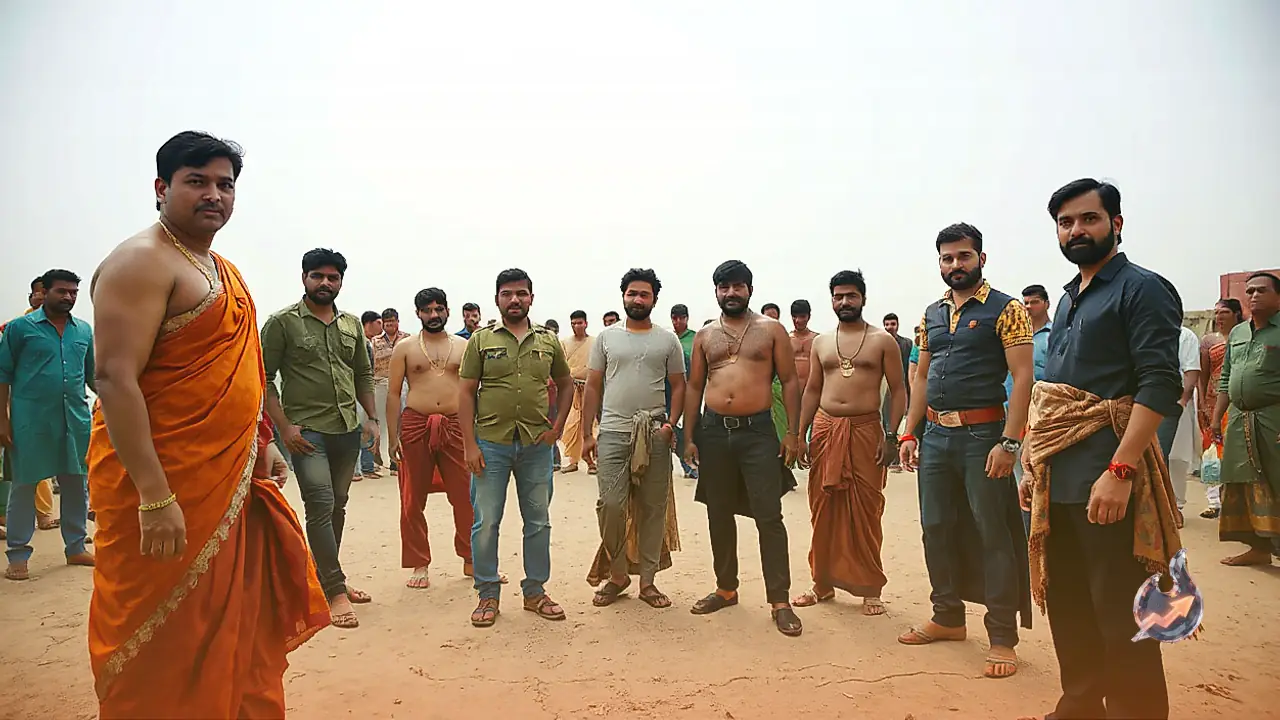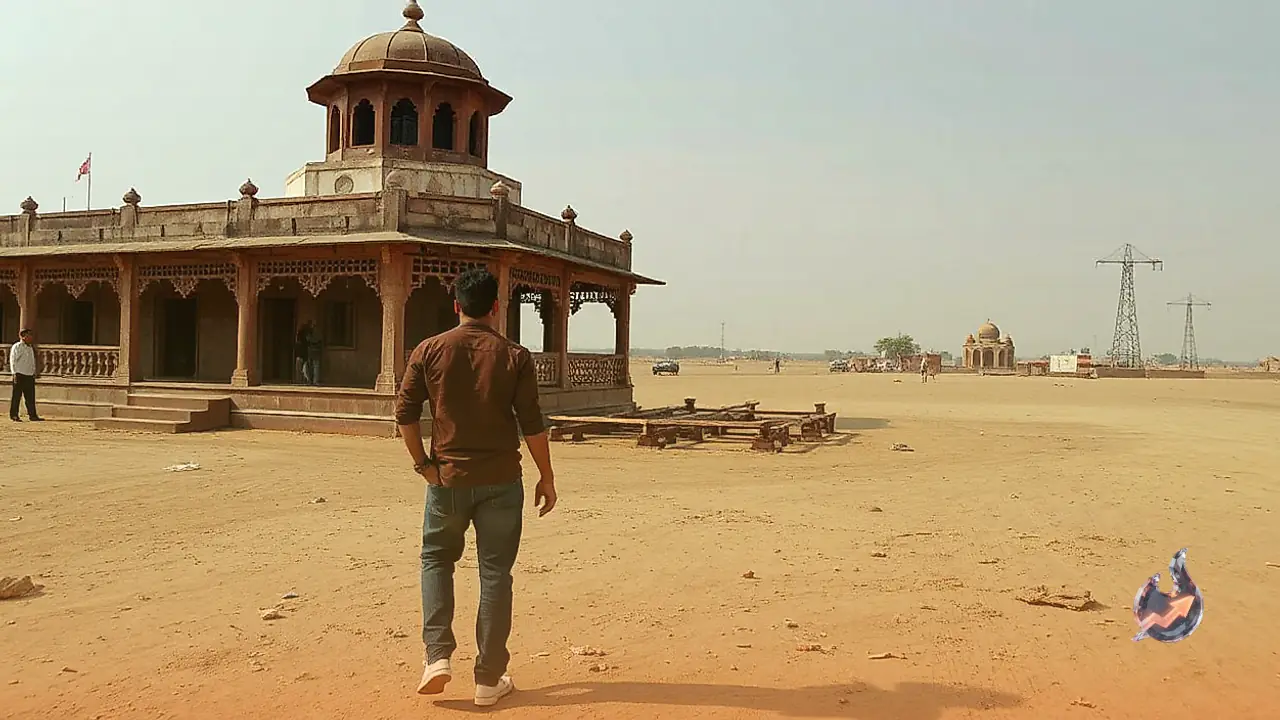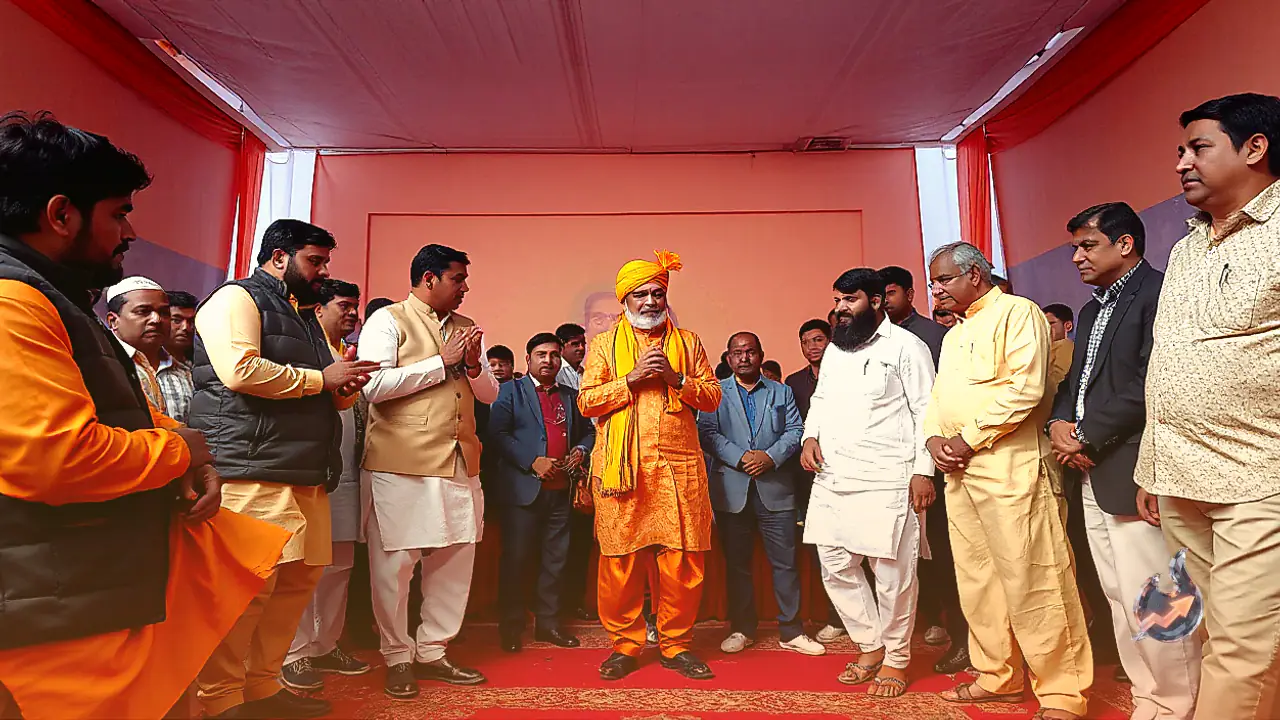



















In the history of Indian cinema, technicians and directors working behind the scenes stepping in front of the camera is not entirely unprecedented, but the sequence of events that unfolded during the production of the film Hanuman Ansh was distinctly unique. Just before the shooting of the movie was scheduled to begin, the main actor who had been signed for the lead role suddenly fell ill, throwing the entire production team into an unexpected crisis. During this critical moment, assistant director Shobhinav Satya was entrusted with the responsibility of playing the lead character. Accepting this challenging opportunity, Shobhinav Satya not only showcased his acting capabilities before the camera but also brought depth and authenticity to the narrative. This remarkable behind-the-scenes turn of events transformed both the environment on set and the ultimate journey of the project.
From Casting Crisis to the Lead Role
The shooting schedule for the film Hanuman Ansh had been finalized, and all production arrangements were firmly in place. However, the sudden illness of the lead actor right before filming commenced forced an abrupt halt to the plans. The makers were left with limited choices: either locate a replacement actor on extremely short notice or postpone the production indefinitely. In this emergency situation, director Vishal Chaturvedi and the production management decided to place their faith in assistant director Shobhinav Satya. Shobhinav Satya was offered the central role of Baba in the film. Conveniently, Shobhinav Satya is himself a devoted follower of Baba, allowing him to immediately grasp the emotional and spiritual weight of the character. Transitioning from a crew member behind the lens to the lead protagonist was viewed by the entire production unit as an unexpected turn of fate.
43 Days of Hanuman Chalisa and Strict On-Set Discipline
The operational atmosphere during the making of Hanuman Ansh differed significantly from typical commercial film projects. Under the guidance of director Vishal Chaturvedi, the team conducted daily recitations of the Hanuman Chalisa for 43 consecutive days prior to the commencement of filming. This spiritual discipline was not restricted to the pre-production phase alone; throughout the shoot, every working day began and concluded with the entire cast and crew gathering together to recite the Hanuman Chalisa. In addition, strict behavioral and dietary rules were enforced across the production environment. A total ban was placed on non-vegetarian food on set, including chicken, mutton, and fish. Furthermore, the consumption of alcohol was strictly prohibited. The team members were explicitly instructed to maintain decorum and refrain from engaging in foul language, heated arguments, or interpersonal conflicts.
Resolving Technical Glitches and the Arrival of a Langur
During the filming schedule, the crew encountered several incidents that they regarded as far more than ordinary coincidences. On multiple occasions when camera equipment malfunctioned or production activities unexpectedly stalled, the entire team paused operations to recite the Hanuman Chalisa together. According to director Vishal Chaturvedi, there were several instances where technical faults resolved themselves by the time the recitation concluded, allowing work to resume smoothly. Additionally, an unexpected visitor arrived at the filming site in the form of a langur. Rather than staying for just a brief moment, the langur remained in close proximity to the shooting crew for approximately two days. Recognizing the uniqueness of this occurrence, the filmmaker ultimately integrated footage of the langur into the final cut of the movie.
The Historic Chitrakoot Room Linked to Neem Karoli Baba
For key sequences of the movie, the production team traveled to the spiritual town of Chitrakoot in Uttar Pradesh. An old room located at the site was selected for shooting a specific scene. After the filming in that room was completed, the team discovered from local accounts that the legendary spiritual figure Neem Karoli Baba had stayed in that exact room in the past. Learning about the historical and spiritual resonance of the location added immense significance to the experience for everyone involved. For both the actors and the technical crew, these series of occurrences created a deeply memorable production environment that went beyond conventional filmmaking.
Continuing a Rich Tradition of Behind-the-Camera Talent Spanning Cinema
Transitioning from behind the camera to performing on screen has a notable tradition within Bollywood. Previously, Farhan Akhtar made a successful leap from directing to acting, delivering acclaimed performances in films ranging from Rock On!! to Bhaag Milkha Bhaag. Similarly, prominent director Anurag Kashyap displayed his acting skills with memorable roles in films such as Akira and AK vs AK. Director Tigmanshu Dhulia achieved iconic recognition for his portrayal of the character Ramadhir Singh in the hit film Gangs of Wasseypur. However, the story of Shobhinav Satya taking on the lead role in Hanuman Ansh stands out because it emerged not from a pre-planned casting strategy, but from an sudden necessity combined with a uniquely disciplined production atmosphere.