



















Festivals have long served as potent emotional engines for mainstream Hindi cinema, shaping memorable narratives and driving box office triumphs for generations. For decades, traditional celebrations like Karwa Chauth, Diwali, Holi, and Lohri formed the emotional core of family dramas and romances. Memorable sequences in blockbuster titles such as 'Dilwale Dulhania Le Jayenge', 'Hum Dil De Chuke Sanam', 'Baghban', and 'Biwi No. 1' turned these specific traditions into widespread cinematic tropes. Moving into 2026, a fresh narrative shift is underway across Bollywood studios, bringing the revered eastern regional festival of Chhath Puja into the limelight of mainstream storytelling.
Chhath Puja Hymns Enter High-Profile Commercial Releases
This evolving focus became impossible to miss following the premiere of the song 'Chhathi Maiya' from the upcoming movie 'The One', headlined by actors Sidharth Malhotra and Tamannaah Bhatia. Sung by Vishal Mishra, the musical track features Tamannaah Bhatia embodying devotional rites on sacred riverbanks, performing full traditional customs with deep reverence. Shortly after this release, another prominent mainstream production followed suit: Ayushmann Khurrana and Sharvari Wagh appeared actively performing the solemn riverbank ceremonies during the title track of 'Ye Prem Mol Liya'. The simultaneous appearance of these sacred visuals across two high-profile films has sparked industry conversations about whether this represents a coincidental artistic choice or a calculated response to evolving viewer preferences.
Rooted Authenticity and Story Demands
The creative team behind 'The One' maintains that this represents the very first time mainstream Hindi commercial cinema has foregrounded Chhath with such prominent focus and grandeur. Writer and producer Arunabh Kumar shared the reasoning behind incorporating the ritual hymn, emphasizing that it was not added as a superficial publicity stunt. Hailing from Bihar himself, he stated that he contemplated the idea thoroughly before producing the sequence, acknowledging both the profound faith and the natural, scientific foundations of the festival. Arunabh Kumar highlighted that the narrative of the film takes place right in the middle of the Chhath celebrations, making the sacred sequence an essential, organic pillar of the plot rather than an external decorative addition.
The Long Journey of Chhath in Film History
While the scale of modern productions is unprecedented, Chhath Puja is not entirely foreign to Hindi cinema's historical archive. Decades prior to the 2026 wave, the festival found its way onto the silver screen in the 1961 release 'Bhaiya'. In that vintage black-and-white feature, the track 'Supve Narariyave' documented the festival's deep-rooted practices, picturing devotees carrying wicker baskets of offerings to riverbanks and stepping into the water to pray. Rendered with striking simplicity, the song featured the vocals of Usha Mangeshkar alongside music composed by B.N. Sharma, with lyrics penned by Prem Dhawan and Vindhyavasini Devi. The critical distinction today lies in execution: what was once an understated, localized moment has now been elevated into a lavish centerpiece for multi-crore blockbusters.
Heartland Dominance and Box Office Numbers
Strategic economics also underpin this sudden cultural embrace. The vast Hindi-speaking belt stretching across Bihar, Jharkhand, and eastern Uttar Pradesh holds immense sway over a project's theatrical destiny. When leading pan-Indian icons such as Kannada star Yash or 'Pushpa' star Allu Arjun actively select tier-two and tier-three hubs across these states for high-voltage promotions, it underscores the market's decisive weight. Official figures illustrate the region's commercial strength: per the Uttar Pradesh Government, Uttar Pradesh NCR and Mumbai together anchor film collections, with these core regions contributing nearly 60% of total theatrical revenues. Delivering narratives that reflect the cherished identity of these audiences offers an effective conduit to securing their loyalty at the ticket counters.
Theatrical Gaps and Heritage Connections
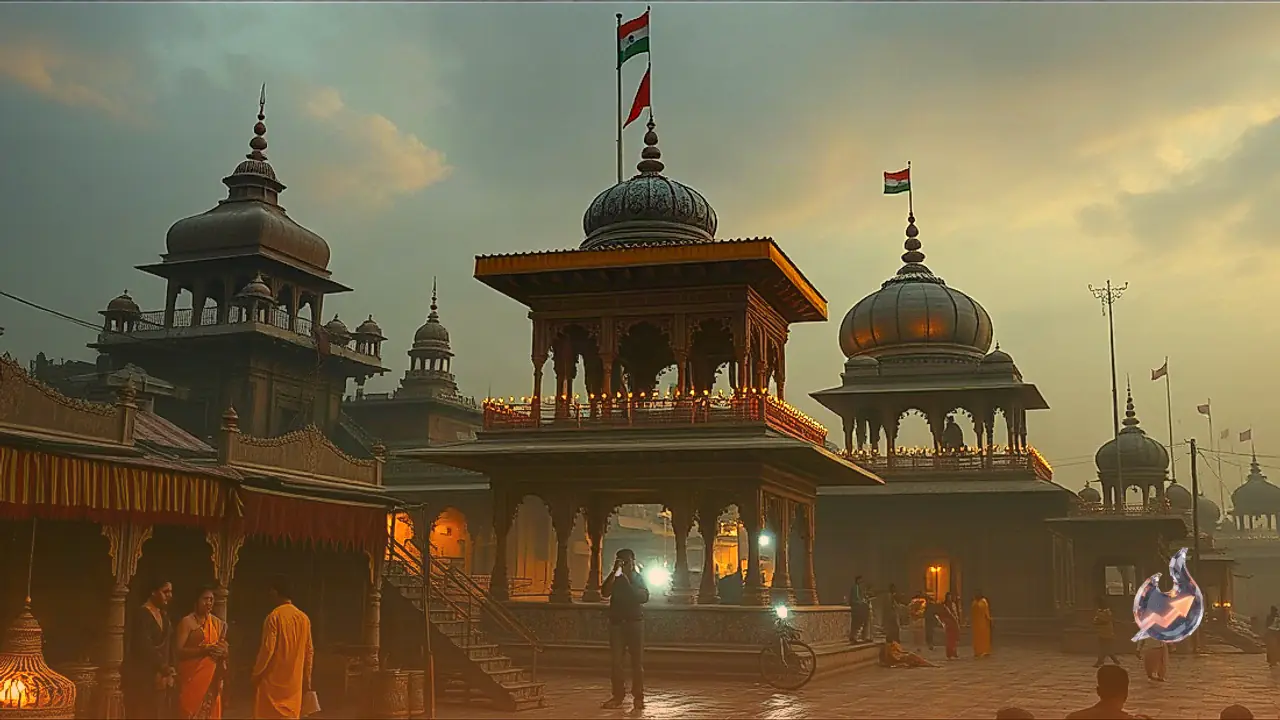
This cultural expansion unfolds against a backdrop of ongoing infrastructural challenges. Renowned lyricist Javed Akhtar has previously highlighted the persistent shortage of cinema screens relative to India's vast population, a gap that prevents countless willing moviegoers from experiencing films theatrically. A notable illustration is the town of Bageshwar in Uttarakhand, which boasts dense settlements and thriving commercial markets but lacks a single operational theater. Numerous towns across the nation face similar deficits. Against this reality, filmmakers are weaving deep regional folklore into their scripts. 'The One', for instance, is set around a 400-year-old historic goddess shrine located roughly 35 kilometers outside Patna, surrounded by local legends and folklore. By tying the plot directly to the soil of Bihar, the inclusion of Chhath Puja seamlessly bridges authentic folklore with mainstream cinematic reach.