



















In Bollywood, the accepted wisdom is that a song must fit the story it accompanies. A mismatched lyric, the conventional thinking goes, will feel out of place and undermine the film around it. But in 1997, one Hindi film upended that assumption completely. Its most popular song had no real connection to the plot, referred to a character who did not exist anywhere in the story, and was flagged as problematic by the very lyricist who wrote it. The director ignored all of it, insisted on using the song anyway, and watched it become the defining thing people remember about the film decades later. That film was Hero No. 1, and the story of how that song came to be is one of Hindi cinema's great behind-the-scenes tales.
David Dhawan's Philosophy: Song First, Situation Later
Lyricist Sameer Anjan worked with David Dhawan across several films and had a close view of how the director thought about music. For Dhawan, the purpose of a film song was never about serving the narrative. He wanted tracks that created an immediate, visceral reaction in audiences, songs people would hum on the way out of the theatre and keep humming for years after. The situation, the character's emotional state, the context of the scene — these were secondary concerns. A chartbusting hook was the primary goal. This philosophy was about to produce one of Hindi cinema's most memorable creative disagreements.
The Director Asked for a Song Without a Scene
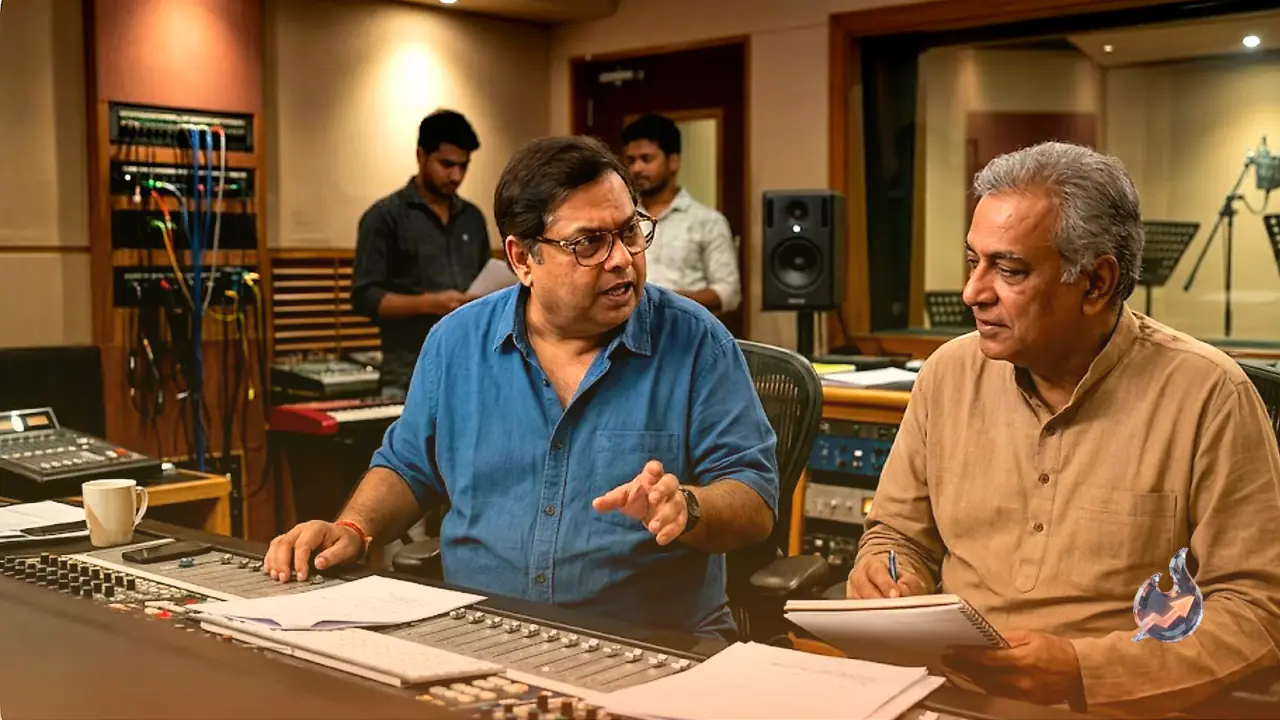
During the making of Hero No. 1, David Dhawan came to Sameer Anjan and asked him to write a romantic song for the film. Anjan gave the standard professional response: tell me the situation, the character's state of mind, what is happening in the scene, and he could write something that fits. Dhawan was not interested in any of that. He told Anjan directly to forget the situation, give him a hit song, and he would figure out the situation himself.
The Song Referenced a Character Who Was Not in the Film
Anjan wrote a mukhda, an opening verse, and was genuinely confident the material was strong. But he was just as confident that it could not go into this particular film. When Dhawan pressed him for a reason, Anjan was direct: the song is a superhit, but it will not work for your film. The problem was a single key phrase. The song contained the line 'tere baap ke dar se', meaning out of fear of your father. But in Hero No. 1, the girl's father was not a significant character at all. The imposing, strict elder in the story was her grandfather, played by Kader Khan. Using the word for father in the song simply would not connect to anything happening on screen.
One Listen Was All It Took
David Dhawan was unmoved. He repeated his position to Anjan: the situation is not his concern. Just sing the song. Anjan performed the full song for him. The moment it ended, Dhawan announced his decision: this song goes into the film, no further discussion needed. Then he said something that turned out to be remarkably accurate. He told Anjan to remember that day, because years later, when someone asks how he wrote a song like this, the answer would be simple: when a song becomes a hit, people do not check whether it fit the situation. They only remember the song.
A Prediction Proved Completely Right
When Hero No. 1 released, that prediction proved accurate in every detail. 'Main Tujhko Bhaga Laya Hoon Tere Ghar Se Tere Baap Ke Dar Se' became one of the biggest hits of its year. Not a single audience member appears to have wondered where the father was in a film about a strict grandfather. The song's melody and energy were strong enough to make the question entirely irrelevant. Decades later, the track is still played at weddings, parties, and stage shows across the country with the same enthusiasm it generated in 1997.
The Story Behind Hero No. 1
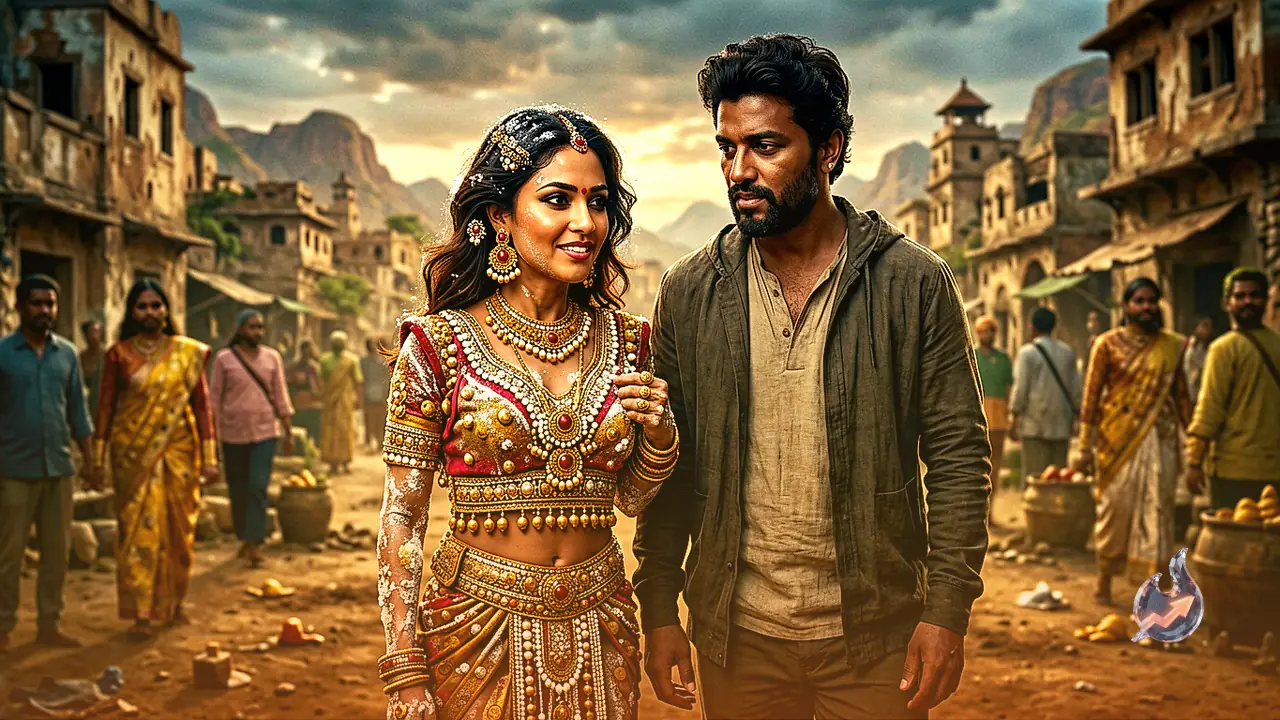
Hero No. 1 was itself inspired by the classic Rajesh Khanna film Bawarchi. Govinda plays Rajesh, a young man from a wealthy family who falls in love with Meena, played by Karisma Kapoor. The obstacle standing between them is Meena's grandfather, a stern and disciplined patriarch brought to life by Kader Khan. To get close to the family and win Meena over, Govinda's character conceals his wealthy background and enters their household as a bawarchi, a cook. The film follows how he uses his cleverness and genuine warmth to resolve the family's various problems, one by one, until he eventually wins over even the formidable grandfather and earns his blessing.
An Album That Went Far Beyond One Song
Hero No. 1 was not a one-song film. 'Sona Kitna Sona Hai', 'Saaton Janam Tujhko Paate', 'Mohabbat Ki Nahin Jaati', and 'Upari Wala' were all major hits during that period and remained beloved among music audiences long after the film left theatres. The music was composed by Anand-Milind, with most of the lyrics written by Sameer Anjan. The full album was a commercial success in its own right and contributed significantly to the film's cultural footprint.
Box Office Numbers That Wrote History
Hero No. 1 released on 21 February 1997. It was directed by David Dhawan and produced by Vashu Bhagnani. Made on a budget of approximately Rs 6.5 crore, the film went on to earn more than Rs 30 crore in India, placing it among the highest-grossing films of 1997. The creative partnership between Govinda and David Dhawan had delivered yet another massive commercial success, and the on-screen pairing of Govinda and Karisma Kapoor was cemented as one of the most bankable combinations in Hindi commercial cinema. The film stands today as one of the most celebrated comedies in Bollywood history.