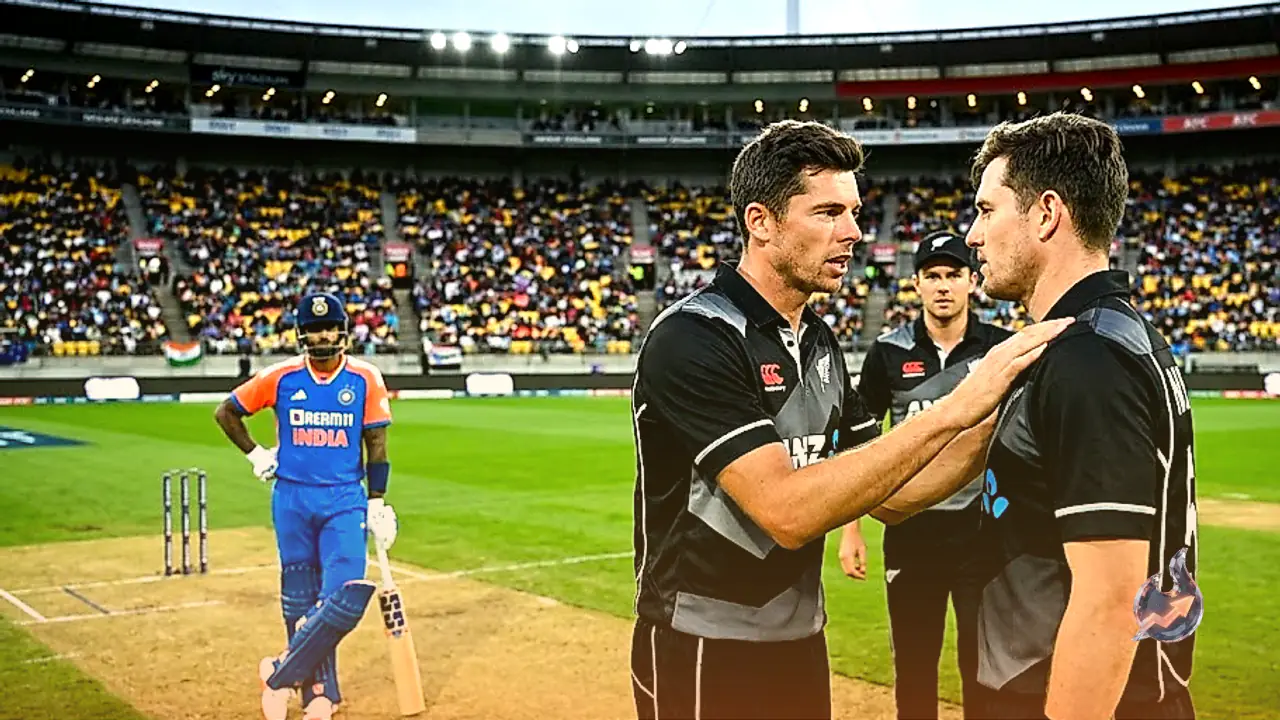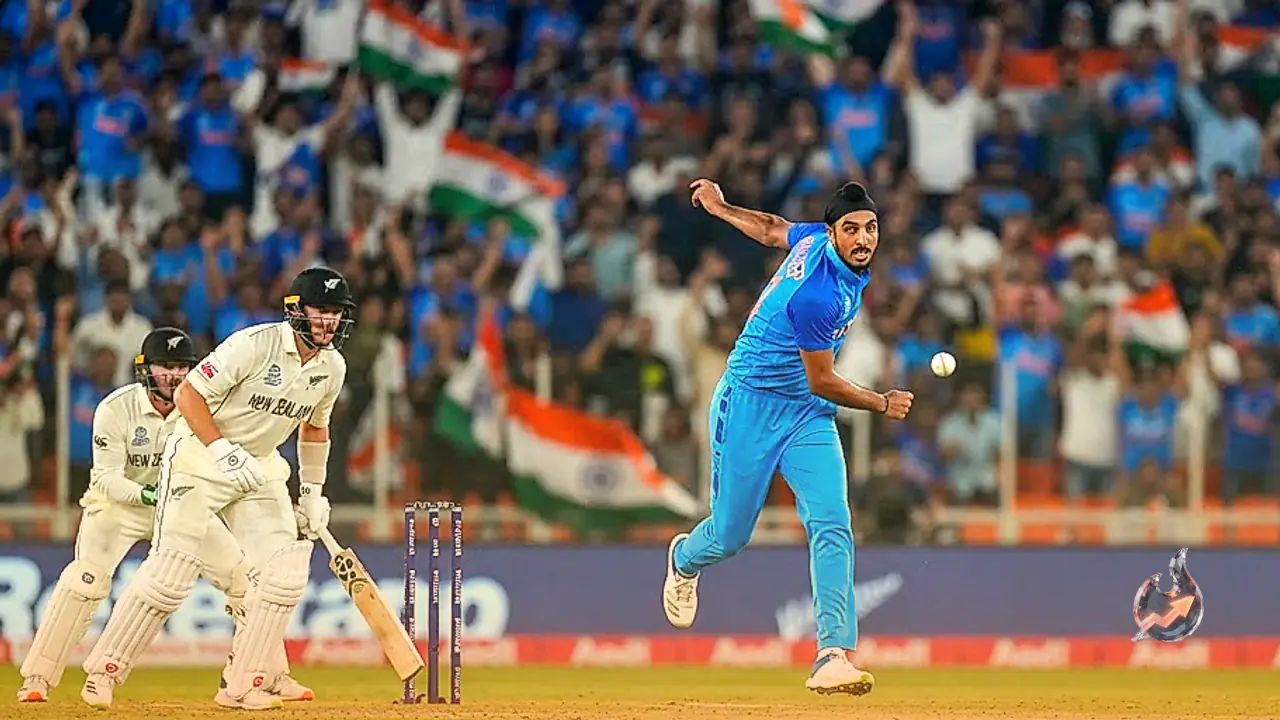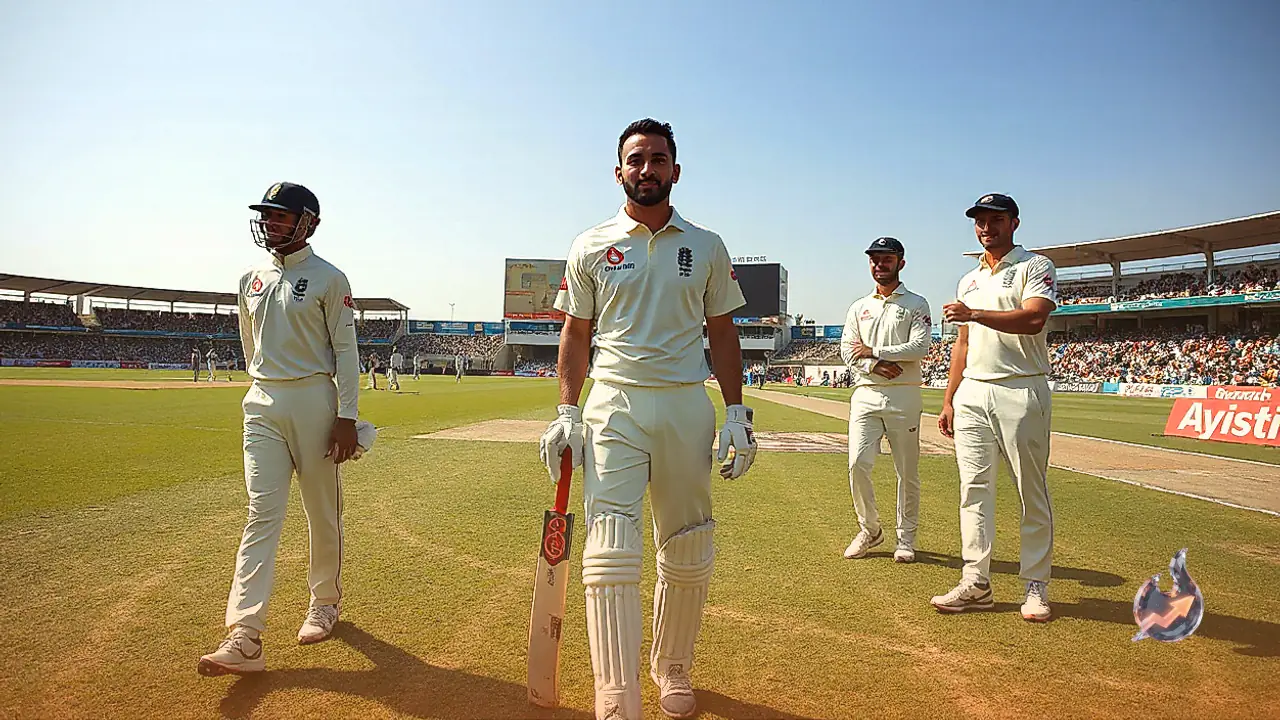






















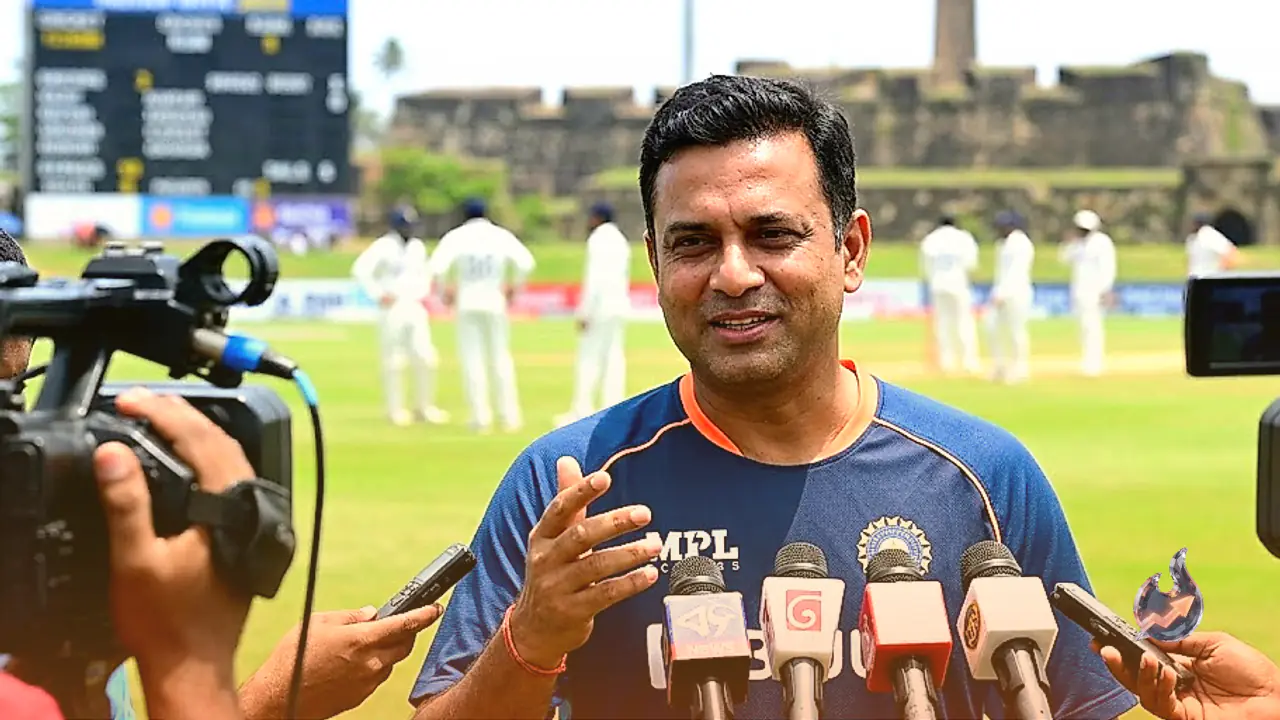

The Indian cricket team posted a formidable total of 288 runs for the loss of just 2 wickets on the opening day of the first Test match against Sri Lanka at the Galle International Stadium, firmly taking control of the contest. However, amid India's dominant batting display, a moment of concern arose for team management and supporters when vice-captain and opening batsman KL Rahul was forced to leave the field retired hurt after scoring a resilient 77 runs. The experienced right-hander from Bengaluru experienced severe muscle cramping while building his inning, choosing to step off as a precautionary step. Following the conclusion of the day's play, India's batting coach Sitanshu Kotak addressed the media in a press conference to provide an encouraging update on Rahul's physical condition, easing concerns surrounding his availability.
KL Rahul's Muscle Strain and Expected Return on Day Two
Clarifying the reason behind KL Rahul walking off the field, batting coach Sitanshu Kotak revealed that the batsman suffered from severe muscle strain caused primarily by dehydration and physical fatigue during his prolonged stay at the crease. Kotak remarked, "For Rahul, it was simply a case of severe cramping, and he felt fine by the end of the day." The coach elaborated that long sessions under humid match conditions frequently lead to cramping in body parts such as the hamstring, groin, or arms. He confirmed that India's medical team is actively monitoring Rahul's recovery and expressed strong optimism that the opening batsman will resume his batting duties on Day 2 of the Test match.
Praise for Adaptability and Team-First Mindset Across Formats
Sitanshu Kotak lauded KL Rahul's tactical flexibility and selfless mindset, pointing out his ability to seamlessly adjust to vastly different roles across formats. In white-ball cricket, particularly in One Day Internationals, Rahul has consistently batted in the middle or lower-middle order at positions 5 or 6 during recent outings. Conversely, in red-ball Test cricket, he has taken up the demanding responsibility of opening the innings. Kotak emphasized that such willingness to adapt based on the team's tactical requirements reflects the pedigree of a top-class cricketer. By anchoring the top order, taking responsibility, and constructing crucial partnerships on Day 1, Rahul delivered a highly positive sign for the Indian side.
Galle Pitch Analysis and the Emerging Challenge for Spinners
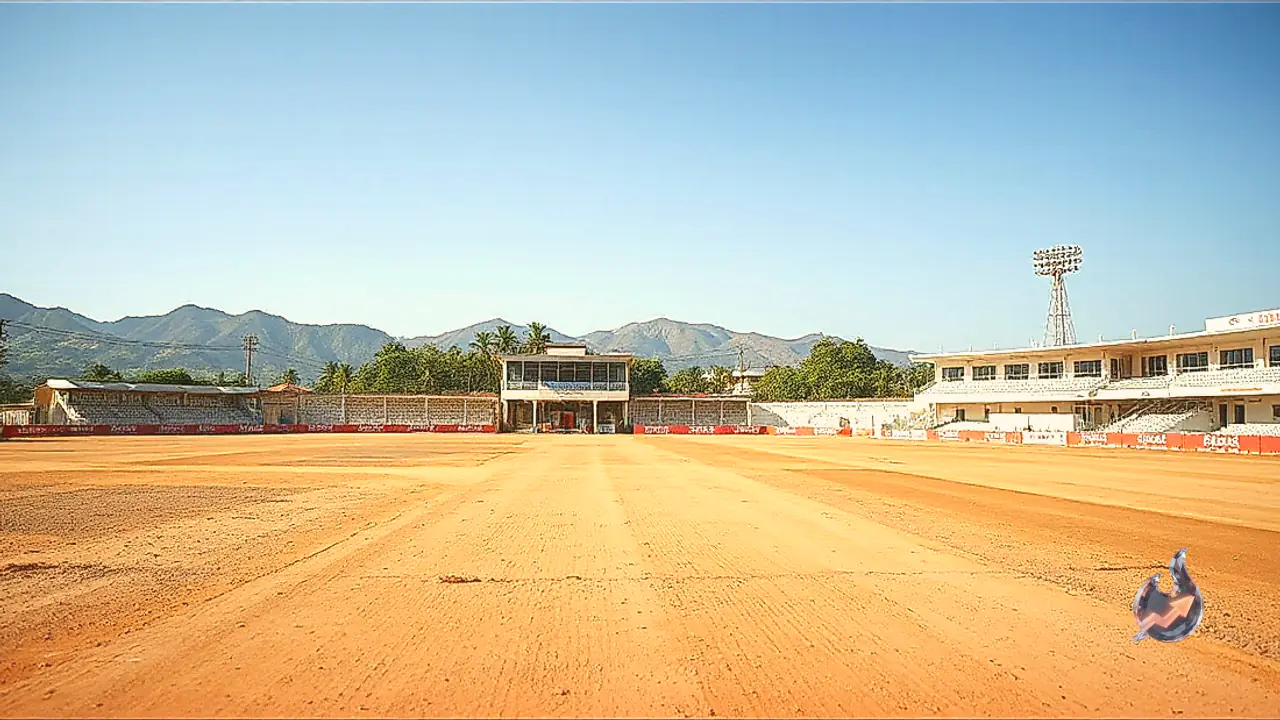
Evaluating the playing conditions at Galle, Sitanshu Kotak acknowledged that the surface offered favorable batting conditions on the first day, which Indian batters capitalized on to reach 288/2. He noted that the pitch is currently on the drier side with minimal spin, allowing the ball to come onto the bat smoothly. However, Kotak cautioned that the surface will evolve quickly over the coming days. As the sun bakes the track on Days 2, 3, and 4, the pitch is bound to offer significantly more assistance to spin bowlers. While he does not anticipate major cracks developing, the increasing turn will make run-scoring progressively more challenging as the Test match unfolds.
Historical Trends at Galle and Declining Batting Averages
To contextualize the pitch transformation, Sitanshu Kotak cited historical statistical data from the Galle International Stadium illustrating how batting conditions deteriorate as the match progresses. Historical records show that the average score for batsmen on Day 1 at Galle is approximately 53 runs. On Day 2, that average declines noticeably to 38 runs. By Day 3, as turn and variable bounce become dominant factors, the batting average plummets to just 28 runs. Kotak emphasized that while ending Day 1 at 288/2 represents a strong foundation, the Indian batting unit must maintain strict discipline and momentum on Day 2 to capitalise on their initial advantage.