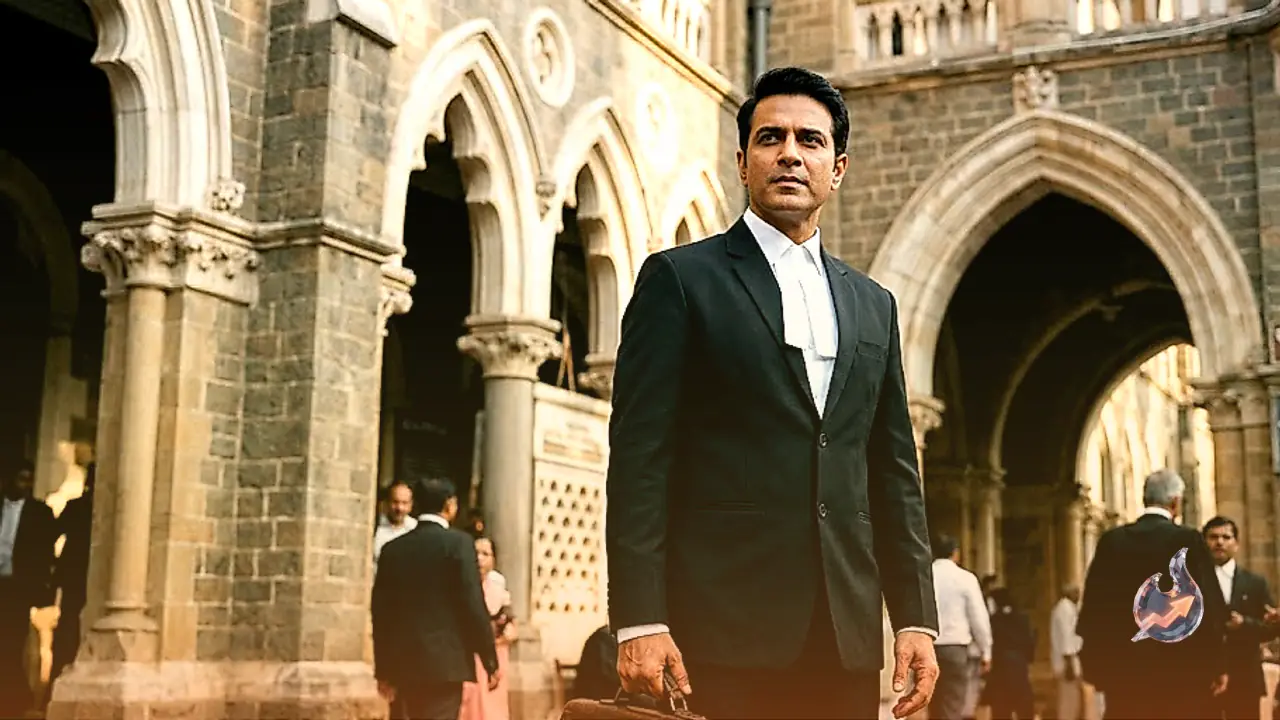


















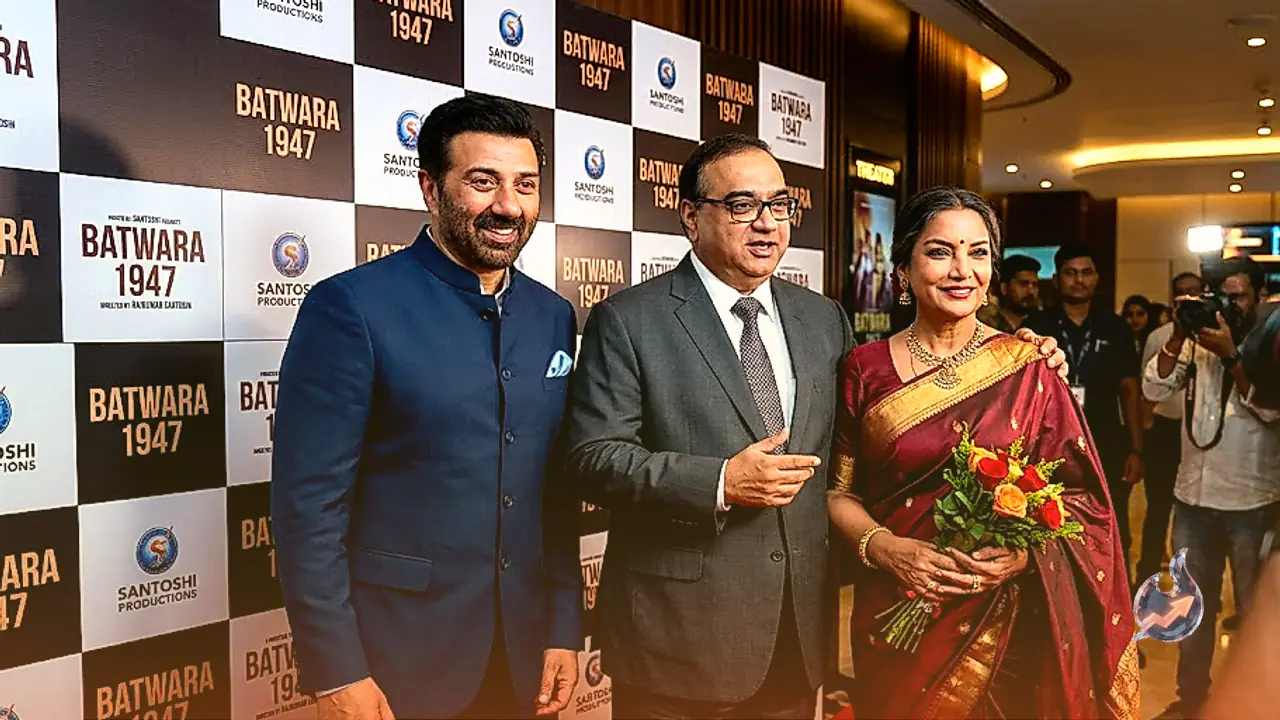

In this detailed Batwara 1947 review, we analyze how director Rajkumar Santoshi crafts a deeply moving narrative centered on human compassion during one of history's darkest periods. The 1947 Partition of the Indian subcontinent remains an indelible scar marked by displacement and grief. While cinematic retellings of this era frequently lean into graphic violence and political animosity, Rajkumar Santoshi chooses a far more sensitive and humane path. The film moves beyond mere territorial borders to examine the fragile yet unbreakable bonds of humanity forged amidst chaos and sectarian conflict. The feature earns a strong rating of 3.5 out of 5 stars for its emotional resonance and artistic execution.
A Story of Humanity Amid the Horrors of Partition
Set against the turbulent backdrop of 1947 Lahore, the narrative poses profound questions about how decades of neighborly camaraderie vanished overnight under the cloud of religious fanaticism. At the core of this tragedy is Sikandar Mirza, portrayed by Sunny Deol. As mob violence consumes the city, Sikandar makes the courageous decision to shield an elderly, vulnerable Hindu woman named Mai, played by Shabana Azmi. By standing between her and the raging crowds, Sikandar directly defies the toxic politics of the time. The film delicately explores the unexpected and sacred mother-son bond that forms between a Muslim man and an elderly Hindu matriarch, demonstrating that true human affection transcends any drawn line or border.
Powerhouse Performances: Quiet Brilliance from Sunny Deol and Shabana Azmi
The strength of the narrative is elevated by exceptional performances across the ensemble. Sunny Deol presents a complete departure from his traditional high-decibel action persona. Rather than relying on loud dialogues, he delivers a remarkably restrained performance where grief, helplessness, and quiet resolve are communicated through his eyes and silent presence. Shabana Azmi serves as the emotional anchor of the film as Mai. Her portrayal seamlessly blends resilience, warmth, wisdom, and an enduring love for her homeland, capturing the quintessential maternal figure recognizable to every household. Her chemistry with Deol brings immense dignity and depth to their shared screen time.
Supporting Performances and Ensemble Balance
The supporting cast provides crucial texture and balance to the overarching narrative. Sharing the screen with an actor of Sunny Deol's stature, Karan Deol establishes a distinct presence by approaching his role with sincerity and quiet confidence rather than imitation. Preity Zinta adds a touch of warmth to the narrative canvas, while Ali Fazal brings a calm, mature energy that grounds pivotal moments. On the opposing spectrum, Abhimanyu Singh delivers a menacing portrayal of Yakub Pahlwan, effectively embodying the terrifying face of intolerance and mob frenzy that defined the era.
Rajkumar Santoshi's Direction and Technical Excellence
Director Rajkumar Santoshi reaffirms his mastery over dramatic storytelling by handling sensitive historical themes without falling into sensationalism or divisive agendas. The first half carefully lays the foundation, immersing the audience into the authentic atmosphere of 1947, while the second half delivers high emotional intensity. Visually, the production design and camera work meet international standards. The narrow alleys of old Lahore, period-accurate attire, traditional houses, and chaotic marketplaces are recreated with striking realism. The camera work effectively balances broad historical set pieces with intimate character close-ups.
Background Score, Pacing, and Final Verdict
The musical score acts as a vital narrative element throughout the film. During sequences of heightened tension, the sound design amplifies the underlying dread, whereas melancholy melodies softly highlight the quiet moments between Sikandar and Mai. On the technical side, the pacing experiences minor lulls in the opening hour as character backgrounds are established. A tighter edit removing approximately 10 to 15 minutes could have enhanced the narrative momentum. Additionally, occasional dramatic beats echo classic 90s melodramatic conventions. Nevertheless, 'Batwara 1947' stands as a poignant cinematic work advocating compassion over division, deserving its 3.5 out of 5 stars rating.