

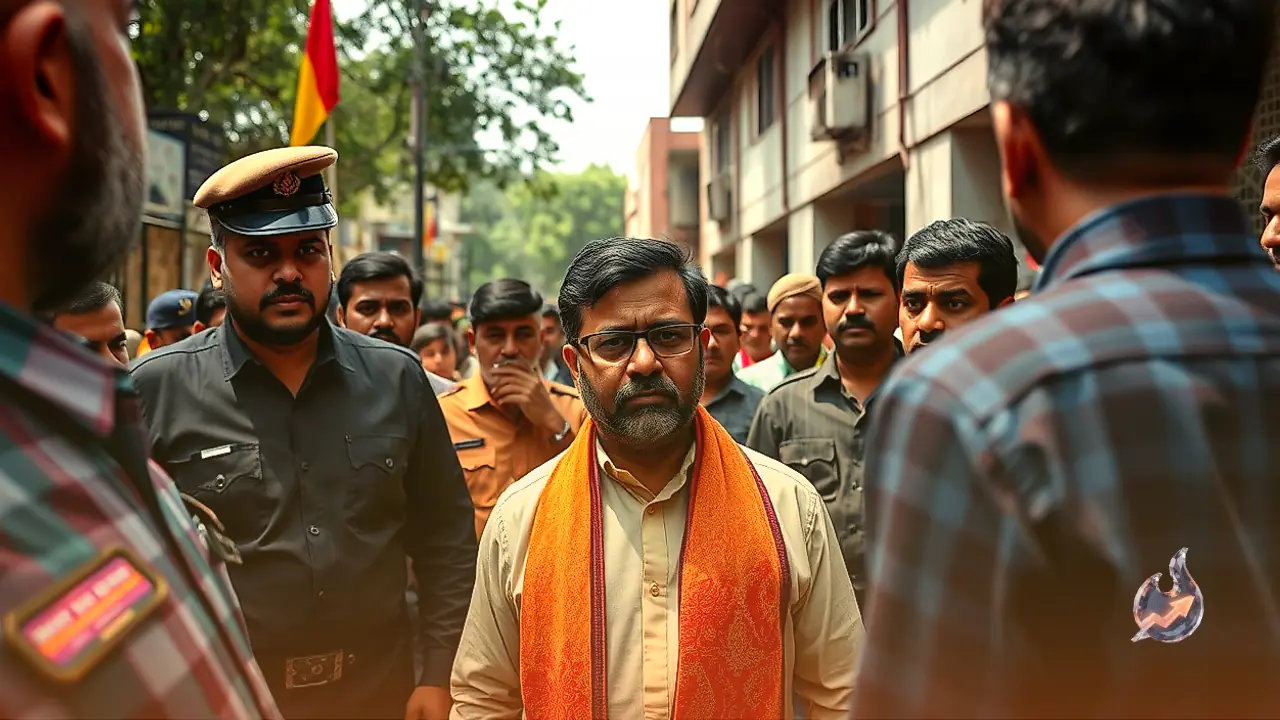

















When conversations turn to cinematic intensity, few figures command the screen with the raw conviction that defines Nana Patekar. Whether portraying an uncompromising police officer confronting systemic rot, a ruthless underworld figure commanding dread, or an everyday man sparking spontaneous laughter, his command over dialogue and presence set him apart in both Marathi and Hindi cinema. Yet, far from the studio lights and celebratory accolades, his personal trajectory was shaped by severe poverty, devastating domestic crises, and an enduring connection to grassroots life. Stepping into adult responsibilities at the age of 13, surviving extreme hardship, navigating personal grief, and eventually cooking meals for dozens on film sets, his life off-camera reveals a person defined by resilience.
Early Foundations: Murud-Janjira to the J.J. School of Arts
Born on January 1, 1951, in Murud-Janjira within Maharashtra, he was initially named Vishwanath Patekar by his parents. During his early childhood, relatives gave him a shorter, affectionate moniker that gradually eclipsed his formal name. Over decades of creative work, that childhood address became his permanent professional identity across the Indian film fraternity. Possessing an early inclination toward visual expression, he enrolled in Mumbai's prestigious Sir J.J. School of Arts, where he formally studied commercial art. That academic training in composition, color, and design proved instrumental not only during his initial struggle for sustenance but also in shaping his methodical approach to character interpretation.
Thirteen-Year-Old Laborer: Chunabhatti Streets and Rs 35 a Month
His early adolescence was upended when his father sustained devastating financial losses in business, pushing the household into acute distress. Compelled to help his family survive, the young boy took up manual labor at barely 13 years of age. Finishing his daily schooling, he would travel to the Chunabhatti area of Mumbai to manually paint commercial movie posters. That exhausting work yielded a modest monthly sum of just Rs 35. Occasionally, the engagement provided a single daily meal alongside the wages. To avoid transport fares, he routinely covered several kilometers on foot under harsh conditions. The encounters with deprivation, physical hunger, and humiliation during those formative years instilled in him a grounded view of human nature and survival.
Roots on the Stage: Village Theatre to Hindi Cinema Debut
Long before entering mainstream cinema, dramatic storytelling served as an essential creative outlet. His engagement with performance began around the third grade, when he participated in rural village plays. The stage ceased to be a simple distraction; it evolved into an intimate medium for raw personal expression. Refining his craft within Marathi commercial and experimental theatre, he developed the distinctive cadence that would later define his cinematic work. That groundwork eventually paved his way into cinema, culminating in his Hindi film debut with the 1978 release Gaman, introducing audiences to an actor grounded in realism.
Marrying on Rs 50 a Show: Financial Contrast and Enduring Support
In 1978, he married Neelkanti Patekar, entering a partnership marked by stark financial disparity. Neelkanti held a steady position in the banking sector, drawing an income of roughly Rs 2,500 per month. By contrast, her partner was actively hustling in the theatre circuit, earning approximately Rs 50 for a single stage performance. Rather than viewing the income gap as an obstacle, Neelkanti actively urged him to stay committed to acting, assuring him that material stability would follow in due course. Although life circumstances later led the couple to live apart for extensive stretches, they chose never to legally dissolve their marriage through a divorce.
Tragic Bereavement: The Loss of Durvasa and Lingering Guilt
The most agonizing trial of his personal life arrived with the birth and premature death of his firstborn child, Durvasa. Born with fragile health and multiple congenital complications, the toddler struggled through chronic distress before passing away at around two and a half years of age. Looking back on the tragedy decades later, he reflected on the profound regret that haunted him. He acknowledged that during the boy's brief life, he had spent energy worrying about how observers and society might perceive his fragile son, rather than focusing purely on easing the child's immediate pain. Although the couple was subsequently blessed with another son, Malhar, the emotional scar left by their first child's departure never fully healed.
Sixty Cigarettes a Day: Quitting Overnight for a Grieving Sister
During the peak of his career stresses, severe tobacco dependence took hold of his daily routine. He consumed up to 60 cigarettes within a single day, occasionally smoking even while bathing. The lingering odor inside his personal vehicle grew so intense that colleagues and acquaintances frequently hesitated to step inside. The turning point occurred without gradual reduction or medical intervention. While recovering from the sudden loss of her own child, his sister observed him coughing violently after an intense smoking bout. Distressed by his self-destructive state, she remarked on the compounding sorrow she was being forced to witness. The emotional weight of her words struck him instantly, prompting him to discard the habit completely and permanently from that day forward.
Mastery in the Kitchen: Preparing Feasts for Crews Over a Hundred
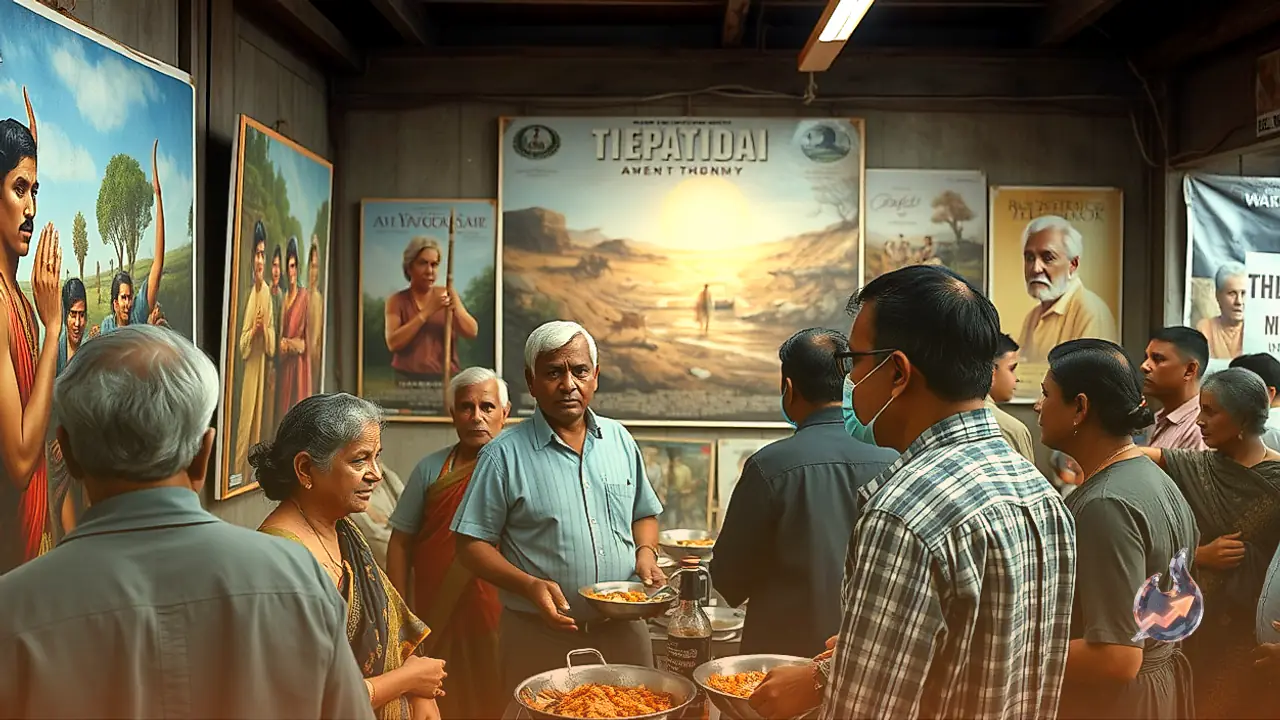
Beyond cinematic performances, culinary preparation became one of his greatest personal passions. Over the years, he has frequently remarked that feeding others brings him profound contentment, openly declaring that he views his culinary expertise as superior to his acting abilities. On multiple film sets, he routinely took over the kitchen responsibilities to cook full meals for the production crew. Even when dealing with units comprising more than 100 individuals, he actively oversaw the preparation of generous feasts. For him, preparing meals for co-workers served as an egalitarian bridge, erasing hierarchical boundaries between stars and technicians.
Soil and Solitude: Farming near Sinhagad Fort
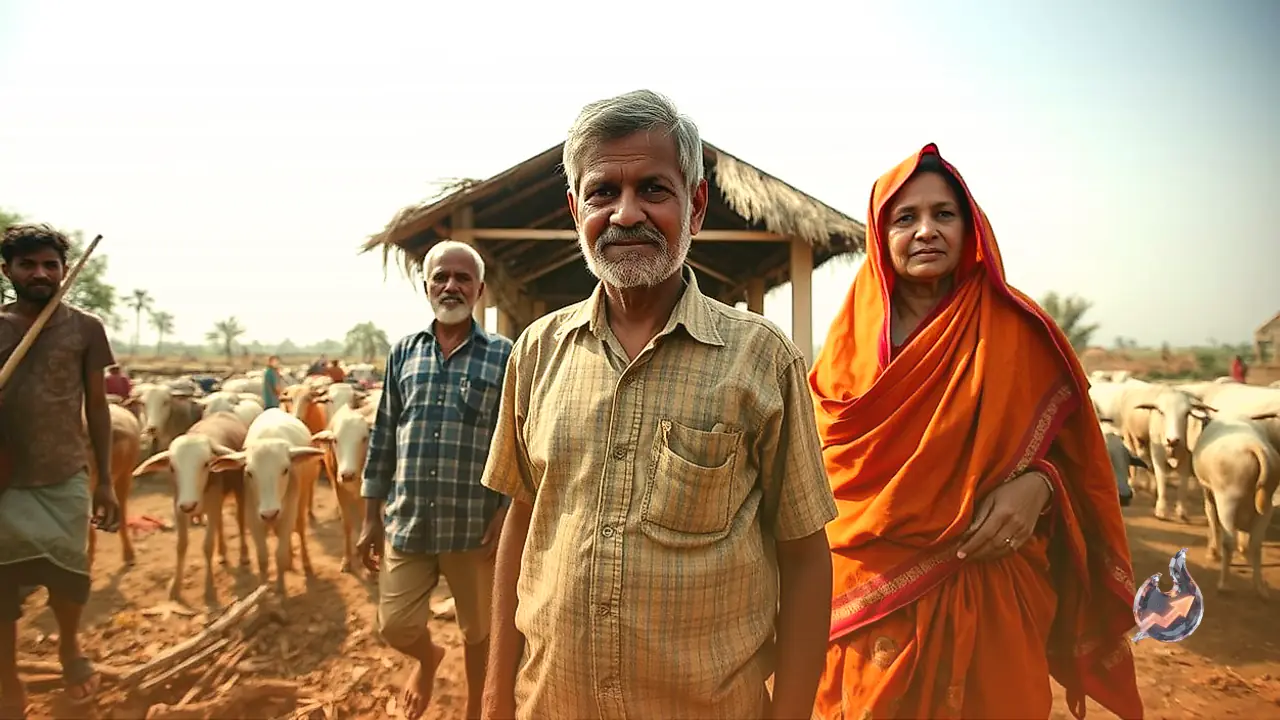
Distanced from industry social circles, he frequently sought refuge in agricultural labor. On his farmland situated near the historic Sinhagad Fort outside Pune, he engaged directly in manual cultivation. He spent extensive periods growing staple crops such as rice, groundnuts, garlic, and onions, working the land with his own hands rather than supervising from afar. This deep personal familiarity with the soil and the uncertainties of rural life later shaped his intense concern for farming communities facing severe drought and financial distress across Maharashtra.