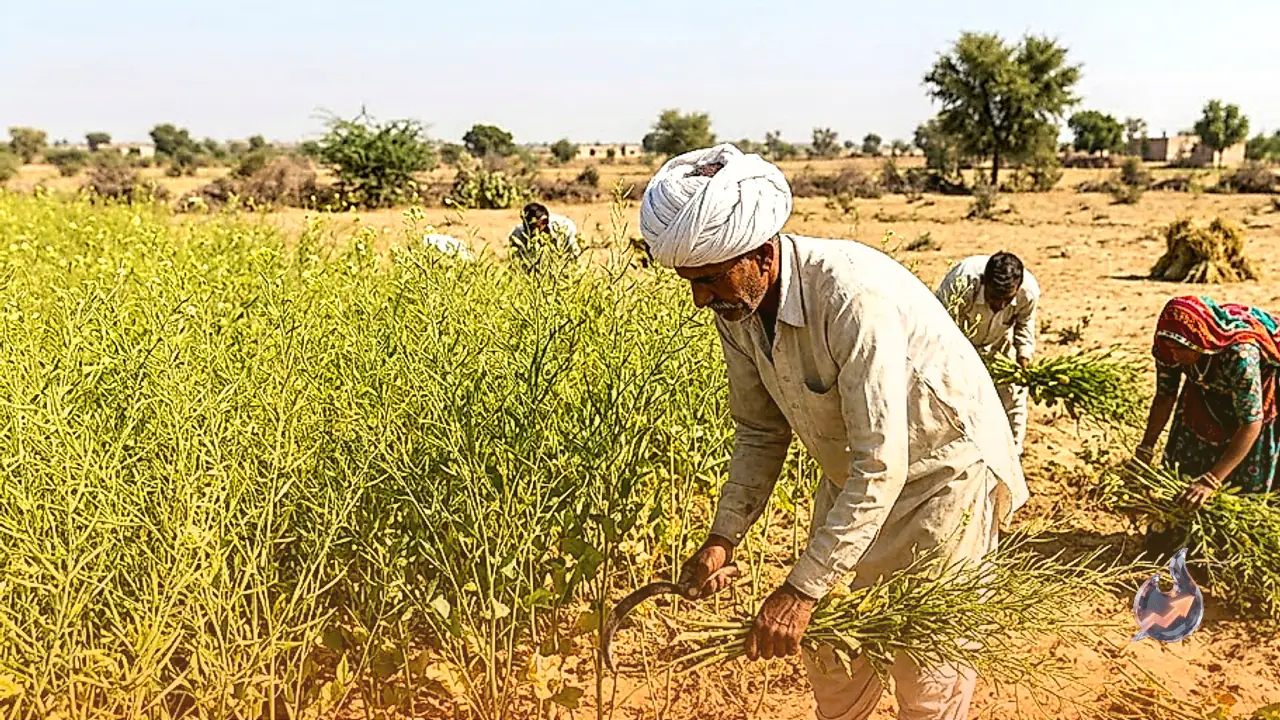





















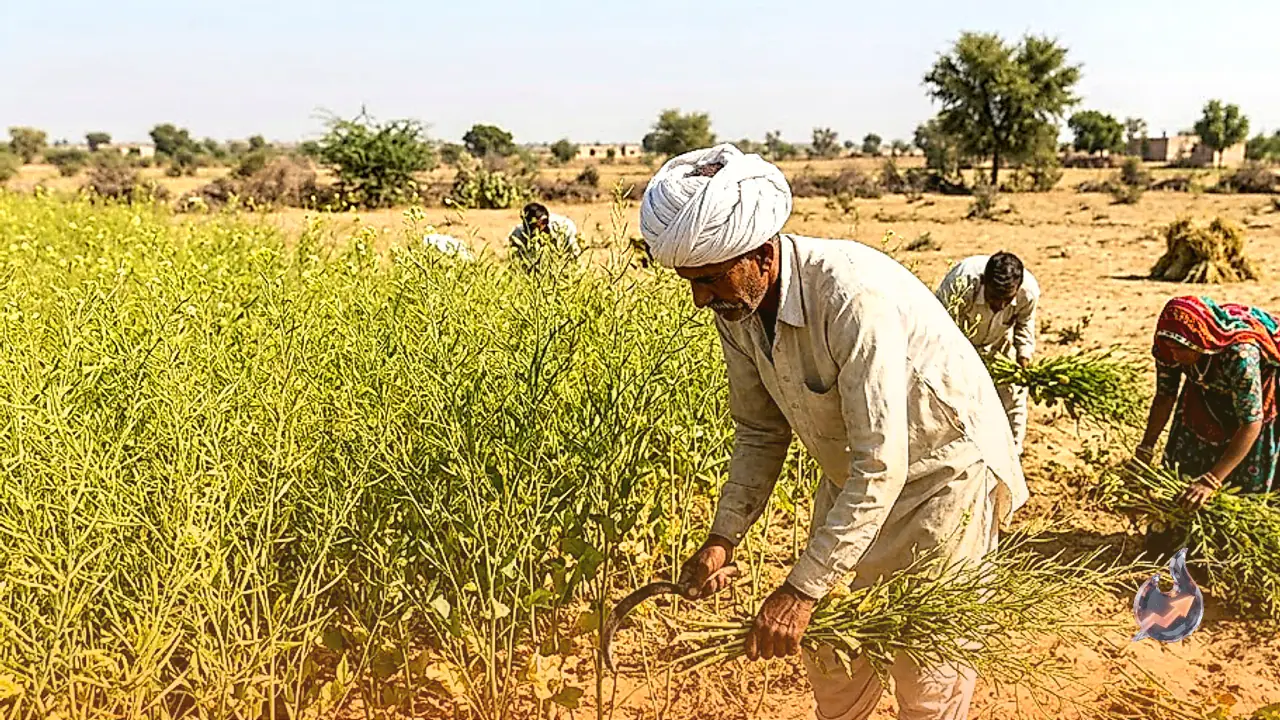

Farming under conditions of scant rainfall and limited irrigation during the rabi cycle has long posed serious difficulties. In Rajasthan's Nagaur district, cultivators face this barrier season after season. Under these testing circumstances, taramira has emerged as a reliable oilseed crop for local farmers. It thrives in low-fertility soils and withstands parched field conditions where conventional staples struggle. By cultivating taramira on marginal and underperforming parcels, local growers are generating steady margins while shielding themselves from severe seasonal shortfalls.
Optimal Sowing Windows and Moisture Needs
Agricultural experts Bajrang Singh and Dinesh Jakhar emphasize that timing the sowing cycle accurately forms the bedrock of a productive taramira harvest. The exact planting calendar hinges heavily on ambient temperature and available subterranean dampness. Official agriculture department recommendations pinpoint mid-September through mid-October as the ideal window for rainfed regions. In Nagaur, growers can plan their sowing immediately after evaluating residual post-monsoon soil moisture. Deferring the sowing beyond this stage suppresses vegetative plant growth and diminishes final seed yield. Therefore, drilling seed while residual moisture lingers yields the strongest return.
Soil Selection and Land Preparation
Light loamy soil offers the best foundation for robust taramira development. The crop performs remarkably well in plots where standard agricultural crops deliver poor returns. However, growers should avoid ground characterized by excessive acidity or pronounced alkalinity. Preparing the plot involves one or two thorough plowings to break hard clods and achieve a fine tilth. Running a plank immediately afterward is essential to seal and conserve remaining ground moisture. Additionally, fields must remain free of water accumulation, as stagnant water damages the emerging root network.
Certified Seed Varieties and Row Geometry
Securing authentic, certified seeds is paramount to achieving high seed volume. Experts point to improved varieties such as RTM-314, T-27, and RTM-2002 as the most dependable choices for the region. Sowing one hectare calls for approximately 5 to 6 kilograms of seed. While broadcast scattering remains common, line sowing delivers substantially superior canopy development and easier maintenance. Row spacing should measure between 40 and 45 centimeters, with seeds planted at a depth of roughly 3 to 5 centimeters.
Nutrient Inputs and Targeted Watering
Conducting scientific soil testing ahead of field operations allows farmers to assess existing nutrient levels accurately and tailor fertilizer applications. Supplying nitrogen, phosphorus, and vital micronutrients according to actual requirements accelerates healthy vegetative development. Because taramira demands very little water, irrigation must remain conservative. Where watering infrastructure exists, farmers should apply the first irrigation 40 to 50 days after sowing, just prior to flowering. A second watering can follow when seeds begin swelling within the pods.
Weed Removal and Timely Harvest
Controlling unwanted weed competition requires hoeing and weeding roughly 20 to 25 days following seedling emergence. The entire vegetative and reproductive cycle runs its course in approximately 140 to 142 days. Harvesting should proceed promptly once the seed pods mature and turn dry. Delaying field harvesting causes brittle pods to split open under sun exposure, resulting in seed shattering and yield loss.