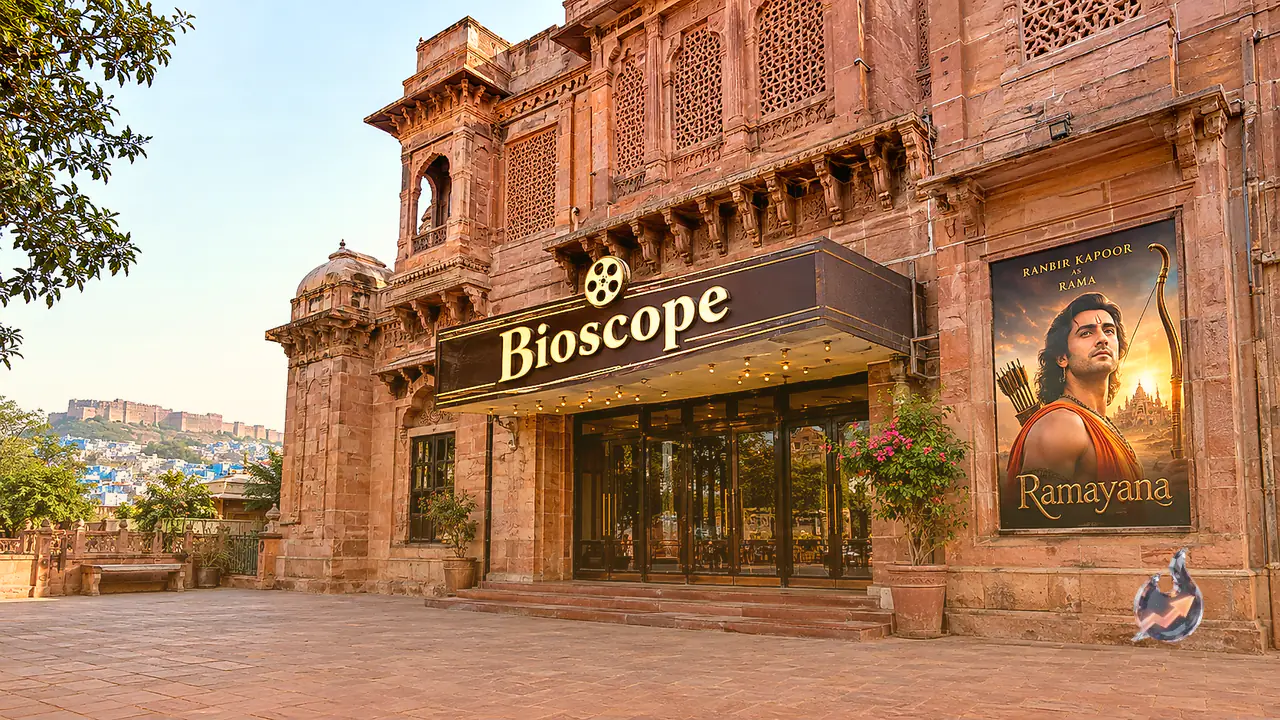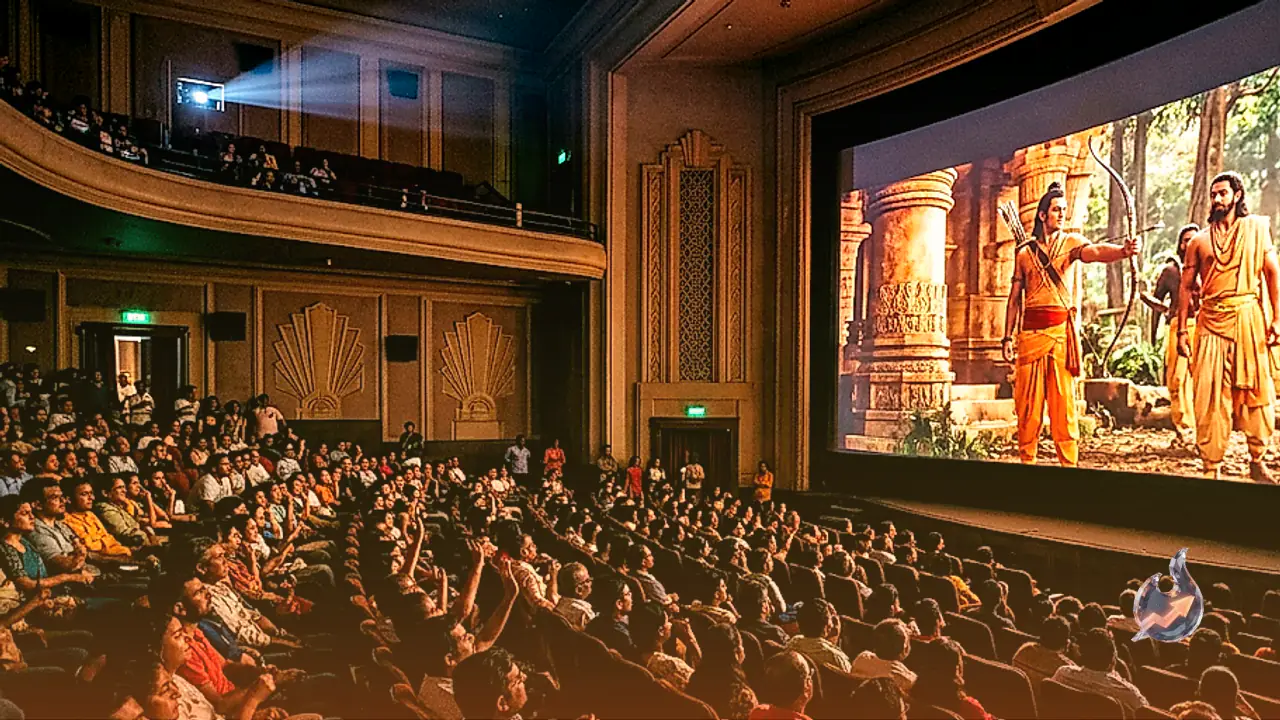




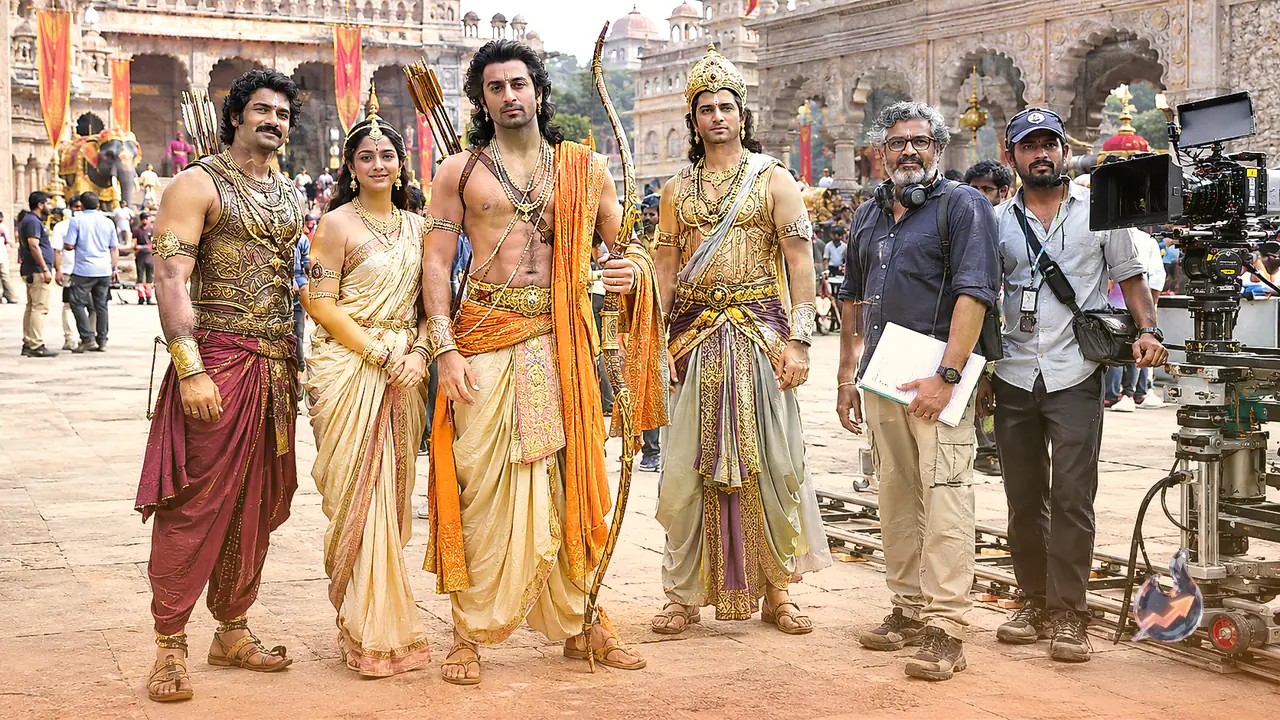



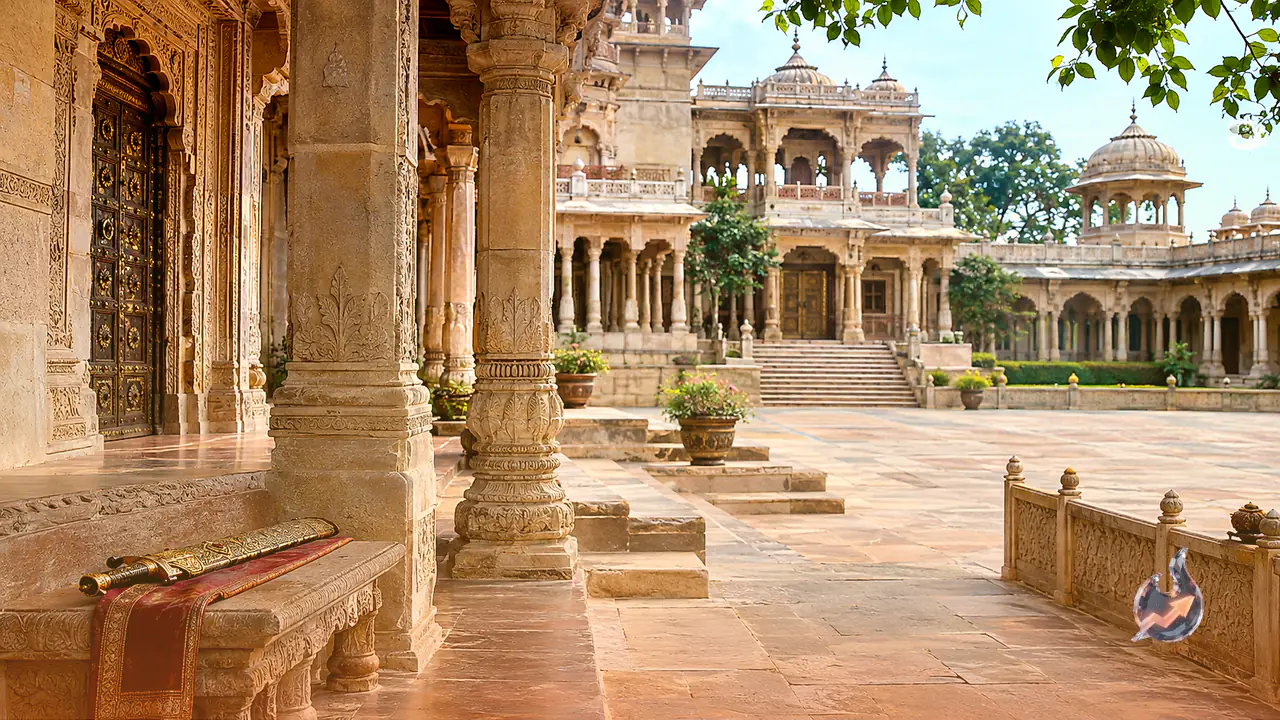















Nitesh Tiwari's much-anticipated film Ramayana has officially arrived in theaters, marking a major milestone for the cinematic landscape. Stepping into the shoes of Lord Ram is arguably one of the most demanding assignments for any performer, requiring far more than mere striking aesthetics or booming dialogue delivery. It requires an innate sense of profound inner peace, absolute humility in demeanor, and unwavering composure under every conceivable pressure. Carrying this monumental epic on his shoulders, Ranbir Kapoor faces the ultimate test of portraying a revered deity whose righteous image is deeply etched in the collective consciousness. Audiences entered theaters harboring a singular, pressing question about whether the actor could convincingly pull off such a heavy role on the silver screen. Analyzing five pivotal sequences from the narrative offers a clear window into how effectively he rises to this formidable challenge.
A Measured First Impression Rooted In Grace
From his very introduction as the divine protagonist, the actor makes a conscious effort to anchor his performance in a serene and gentle disposition. The subtle expressions playing across his features and the soft warmth in his eyes lend a distinct authenticity to the legendary character. He consciously avoids any unnecessary aggression or theatrical bluster, instead choosing a deliberate stillness that preserves the inherent dignity of the role. Rather than merely projecting an invincible warrior, the portrayal strives to foreground a compassionate human being whose core values remain deeply rooted in kindness and gentleness.
Finding Balance On The Journey To The Ashrams
The early narrative arc featuring the journey alongside sage Vishwamitra serves as a critical turning point that introduces multiple layers into the protagonist's life. This extended travel exposes him to various trials and external challenges, forcing different facets of his personality to emerge naturally in front of the audience. Throughout this stretch, the actor maintains a remarkably balanced and steady tone in his performance. His facial expressions radiate a quiet self-assurance while retaining an approachable warmth that keeps him relatable. He successfully bridges the gap between portraying a divine entity and showcasing the vulnerable, grounded human elements underneath.
Displaying Fierce Valor During The Taadaka Episode
A major milestone in the early chapters of the protagonist's journey is the confrontation and defeat of Taadaka. This specific sequence highlights his adherence to warrior duties and his unwavering moral courage to stand firmly against injustice. During this intense action segment, the actor sheds his earlier serene demeanor, adopting a noticeably sharper and more authoritative edge. His physical posture and razor-sharp dialogue delivery exude an unmistakable aura of command and bravery. Here, the performance firmly establishes that a peaceful temperament is never a sign of weakness, but rather a deliberate choice before righteousness demands a powerful defense.
Unveiling Deep Compassion Through The Ahilya Episode
The poignant sequence involving the liberation of Ahilya stands out as one of the most emotionally sensitive moments in the entire storyline. In this delicate interaction, raw empathy and boundless mercy clearly take precedence over raw physical might. The performer handles this tender stretch with immense restraint, relying on minimal facial movements and quiet nuance rather than melodramatic flourishes. By keeping the sequence grounded and understated, the narrative successfully communicates a profound capacity to understand human suffering and treat every individual with absolute respect.
Simplicity And Confidence Intersecting At The Swayamvar
The grand setting of the Sita Swayamvar in Mithila forms another cornerstone of the cinematic journey's first act. This elaborate sequence brings together a striking blend of youthful simplicity, quiet self-belief, and regal dignity. The actor keeps his composure completely intact here, letting natural grace dictate his physical movements and interactions on screen. His chemistry and shared moments with Sai Pallavi push the emotional core of the narrative forward in a meaningful way. Within this setting, the protagonist emerges not just as a capable royal heir, but as an approachable figure whose towering achievements are matched only by his unassuming nature.
An Ensemble Cast And A Mythological Foundation
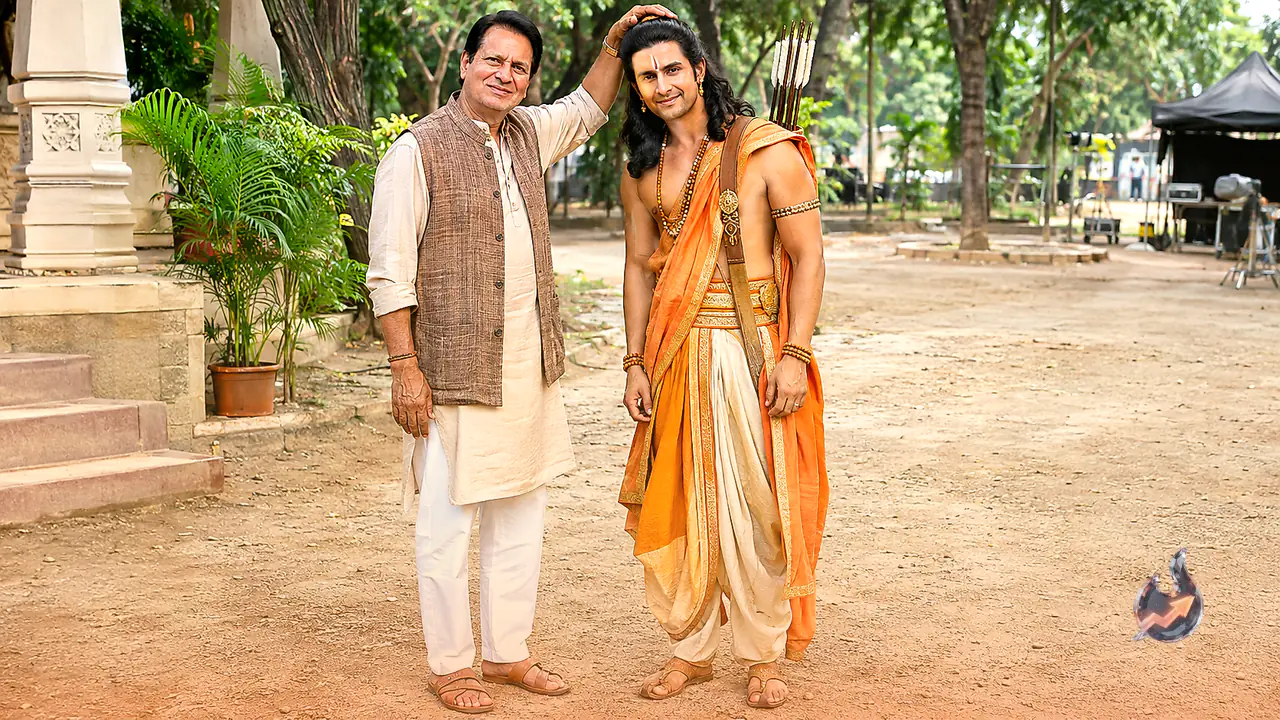
Beyond the central performance, the big-budget project boasts an impressive ensemble cast featuring prominent names across generations. Actor Yash steps into the formidable role of Ravana, bringing intensity to the antagonist's arc, while Sai Pallavi portrays Devi Sita with notable poise. Veteran actor Arun Govil adds gravitas to the canvas by essaying the role of King Dasharatha. The overarching plot begins against the ancient backdrop of a long-standing cosmic struggle between celestial forces and dark entities, tracing Ravana's early origins, intense penance, and the path that made him virtually invincible. The plot eventually transitions to Ayodhya, exploring the birth and early tutelage of King Dasharatha's four sons.
Musical Brilliance And Initial Audience Reception
As a cinematic experience, this initial instalment focuses squarely on the foundational chapters of the protagonist's early life, the training journey with Vishwamitra, the defeat of Taadaka, the Ahilya deliverance, and the royal marriage ceremony in Mithila. The sweeping musical scores composed by AR Rahman and Hans Zimmer serve as an additional major highlight that elevates the theatrical immersion. Navigating the immense gravity and profound simplicity demanded by this legendary role was a steep mountain to climb, yet the early returns from ticket buyers suggest a favorable verdict. Many moviegoers have taken to various platforms to express that finding another contemporary star capable of pulling off this divine iteration with equal conviction would be an uphill task.