






















As soon as winter sets in, skin moisture begins to deplete rapidly. This change shows its adverse effects first on the face and lips. Lips start drying out, scales form on them, and sometimes deep cracks appear, making even smiling or eating quite difficult. During such times, people often lick their lips repeatedly or pull at the dry peeling skin, but this habit should be strictly avoided as it can worsen the discomfort.
Why Lip Skin Requires Special Care
The skin on our lips is much more delicate compared to the rest of the body. Furthermore, lips do not contain oil-producing glands. This is precisely why cold winds and low humidity cause lips to dry out quickly. Even the American Academy of Dermatology recommends regularly moisturizing chapped lips and protecting them from harsh cold and sunlight.
1. Soft Lip Balm Using Shea Butter
Shea butter is widely used to keep the skin soft and supple. To make a lip balm using this ingredient, take one small spoon of shea butter and mix half a small spoon of coconut oil into it. Warm them slightly to melt and blend them thoroughly. Once the mixture cools down completely, store it in a clean and dry container. After it solidifies, apply it to your lips as needed.
2. Preparing Lip Balm with Coconut Oil
Coconut oil is easily available in almost every household. To use it as a lip balm, take a small amount of pure coconut oil and keep it in a clean container. Apply a light layer of this oil onto your lips. However, if coconut oil causes you any itching or irritation, you should discontinue its use immediately.
3. Crafting a Balm with Beeswax
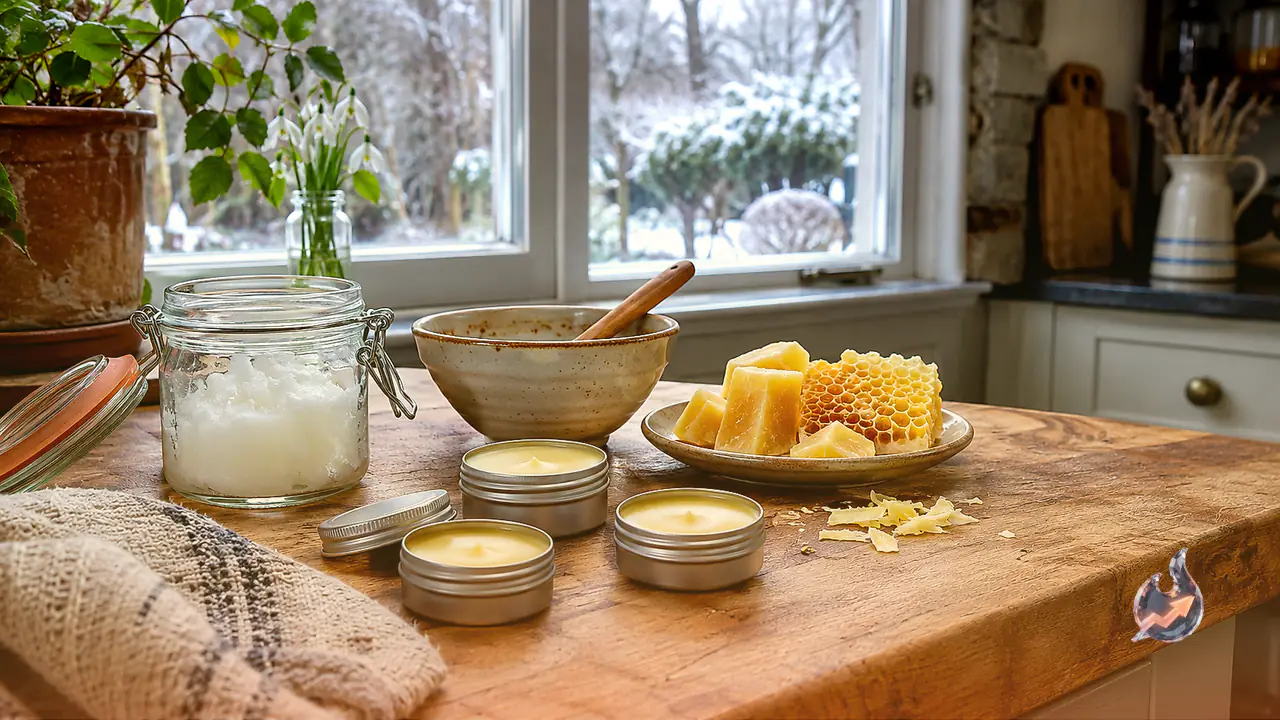
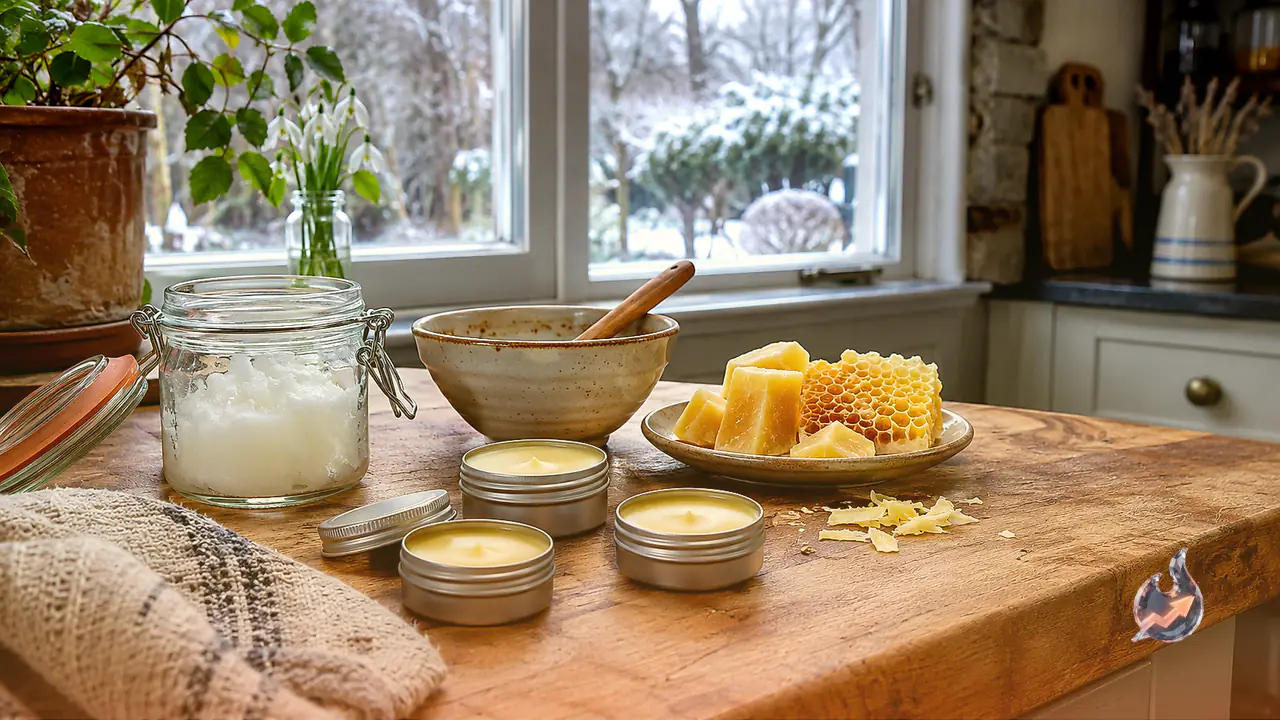
If you have beeswax available from honeycombs, you can easily prepare an effective lip balm with it. Mix one small spoon of beeswax with two small spoons of coconut oil. Warm this mixture slightly to melt it completely. Stir the blend thoroughly and pour it into a clean container. Upon cooling, it will solidify. Applying this to your lips helps maintain essential moisture. If you are allergic to beeswax, avoid using this option.
4. Moisturizing Balm Made from Cocoa Butter
Cocoa butter is utilized in a wide variety of skincare products. To create a homemade lip balm with it, take one small spoon of cocoa butter and half a small spoon of coconut oil. Warm both slightly to melt and mix them together properly. Pour the mixture into a clean container and let it cool down. Once hardened, apply it to your lips whenever necessary.
5. Caring for Lips with Almond Oil
Almond oil is also regularly used to keep skin soft. For this remedy, mix half a small spoon of almond oil with one small spoon of shea butter. Warm both gently to melt and blend them completely. Store the mixture in a clean container once it cools down. If you happen to be allergic to almonds or other tree nuts, do not try this particular option.
Important Precautions While Making and Applying Lip Balm
Maintain strict cleanliness while preparing lip balm at home. All your tools, ingredients, and containers must be completely clean and dry. Store the finished balm in a cool, clean place and never dip unwashed or dirty fingers into it. Always perform a patch test on a small area of skin before regular application. If you experience any burning, itching, or swelling, stop using it immediately.
Avoid applying products containing lemon, peppermint, menthol, camphor, or strong fragrances onto chapped lips. Vigorously scrubbing with sugar and pulling off loose skin flakes should also be avoided. When stepping outdoors during the day, apply a lip balm with an SPF of 30 or higher. If you remain exposed to the sun, reapply this protective balm roughly every two hours.
When to See a Dermatologist
If your lips develop deep cracks, bleed frequently, or suffer from persistent swelling and pain, consult a skin specialist without delay. Even if you do not find relief after two to three weeks of proper home care, seeking professional medical advice remains the best course of action. Sometimes, chronic chapped lips are caused not just by the winter season, but by an underlying allergy or other health condition.