


















Released in 1951, the classic Hindi feature film Albela remains a landmark in Indian cinematic history. Created entirely under the artistic vision of Bhagwan Dada, who wrote, produced, directed, and played the lead role alongside actress Geeta Bali, the movie delivered unforgettable musical numbers. Among these, the playful composition Balma Bada Nadan, sung by Lata Mangeshkar, became a massive theatrical sensation. However, the origin of this hit song was rooted in the traditional musical gatherings of classical music venues, and its journey to the big screen faced sharp resistance from both the film composer and its leading lady.
From Traditional Music Halls to the Recording Studio
Before making Albela, Bhagwan Dada had traveled extensively across India and visited various classical performance venues, commonly known as kothas. During these visits, he developed a deep appreciation for the refined cultural etiquette, atmosphere, and rich musical traditions of thumri and dadra performance styles. One specific thumri captured his imagination so strongly that he resolved to integrate its melody into a future motion picture project whenever he had the opportunity to make one.
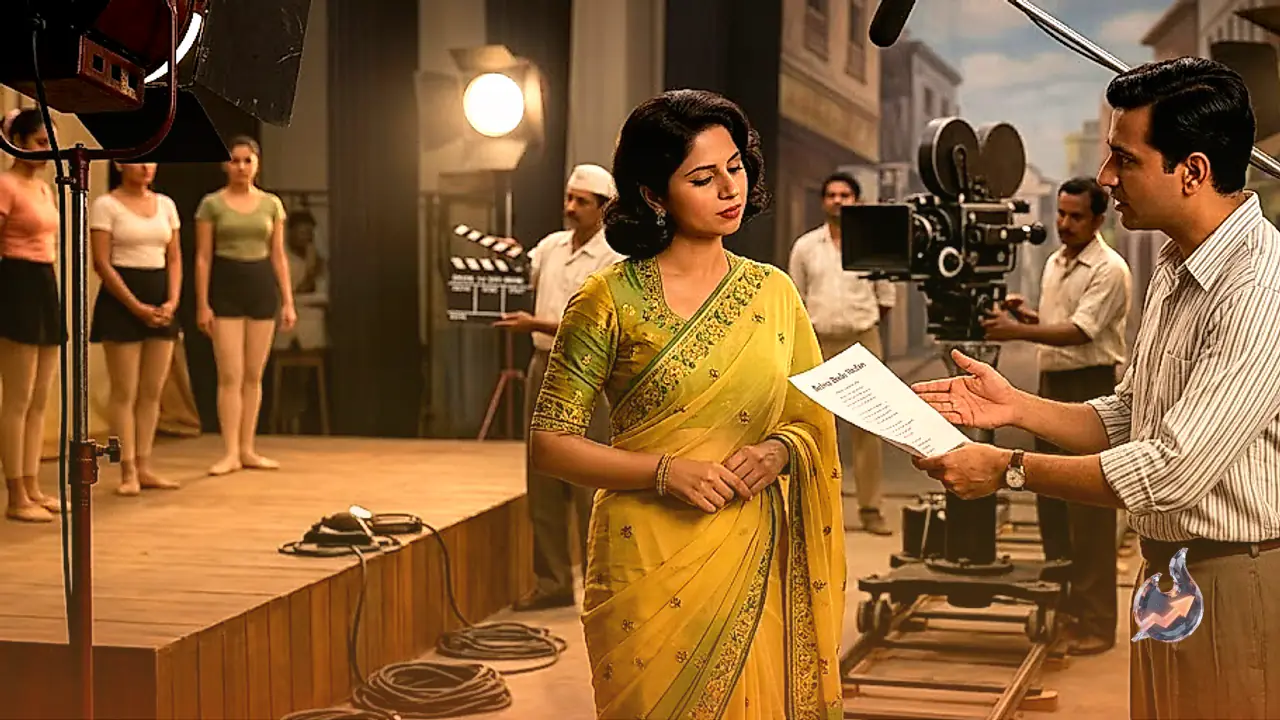
When production commenced on Albela, Bhagwan Dada approached music composer C. Ramchandra with the traditional thumri, requesting him to recreate the exact stylistic essence of the original performance. Ramchandra initially expressed strong skepticism about the proposal. The composer argued that the thumri was far too slow in tempo for a commercial Hindi film and advised against including it in the soundtrack. Undeterred by the musician's objections, Bhagwan Dada remained steadfast in his creative stance and insisted that the track be recorded for the movie.
Geeta Bali's Objections and Character Logic
The song was subsequently recorded in the voice of playback legend Lata Mangeshkar. Yet, when the time came to picture the sequence on screen, another obstacle arose. Lead actress Geeta Bali reacted with intense dissatisfaction to the song, describing the thumri as cheap and questioning why such a composition was chosen for her character.
To resolve the impasse, Bhagwan Dada sat down with the actress to explain the underlying narrative context of her character. He explained that her role was not that of a glamorous heroine, but rather an ordinary young woman deeply enamored with a man who was completely unaware of her affection. He reasoned that singing such a candid, playful track perfectly suited her character's simple persona. Swayed by his conviction, Geeta Bali eventually agreed to film the song, titled Balma Bada Nadan.
Theatrical Reaction and a Complete Turnaround
Even during the shooting process, Geeta Bali maintained her reservations about the composition, feeling hesitant about delivering the specific facial expressions and gestures requested by the filmmaker. Nevertheless, she completed the shoot according to Bhagwan Dada's precise directorial requirements.
When Albela hit theaters, the public's response to Balma Bada Nadan was electric. Moviegoers across cinema halls erupted in excitement, showering the theater screens with coins whenever the song played during screenings. To demonstrate the track's extraordinary impact, Bhagwan Dada brought Geeta Bali to a live screening. Witnessing the audience's ecstatic reaction firsthand, the actress was thoroughly delighted and developed a deep fondness for the song. She lightheartedly remarked to Bhagwan Dada that if he ever signed her for another project, he should explicitly write a similar song requirement into her contract and dismiss her from the production if she ever refused to film it.