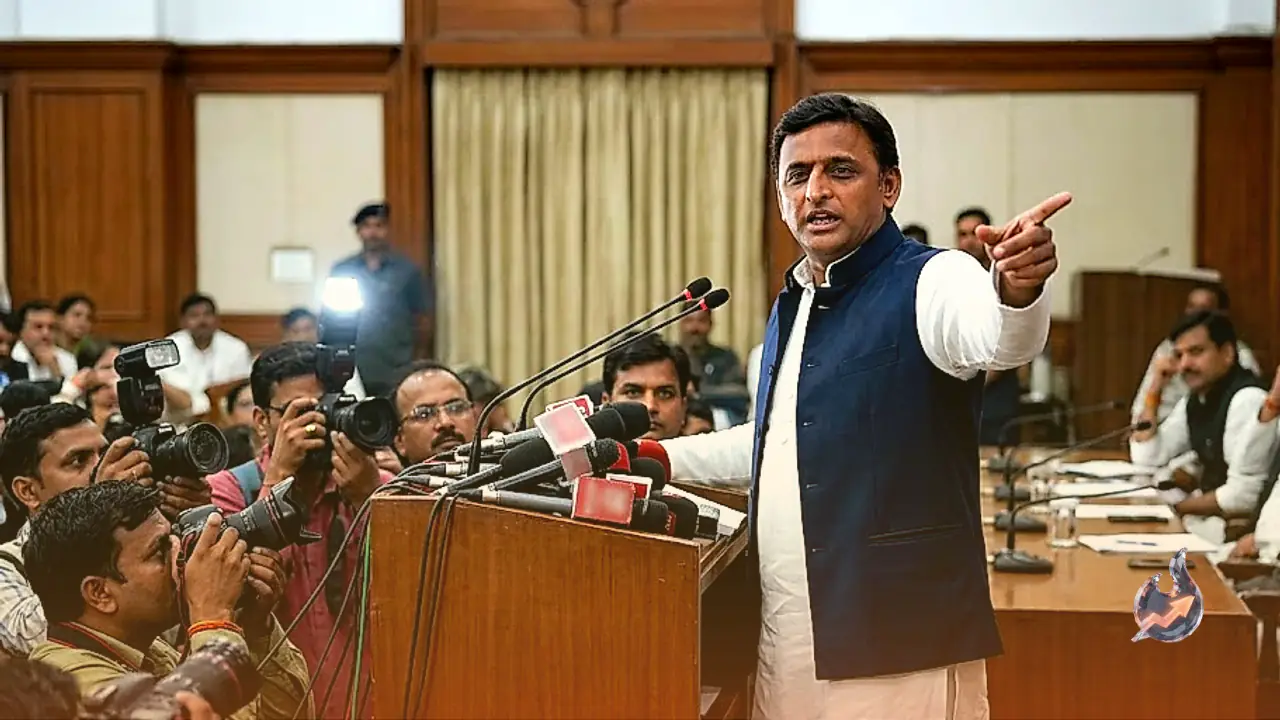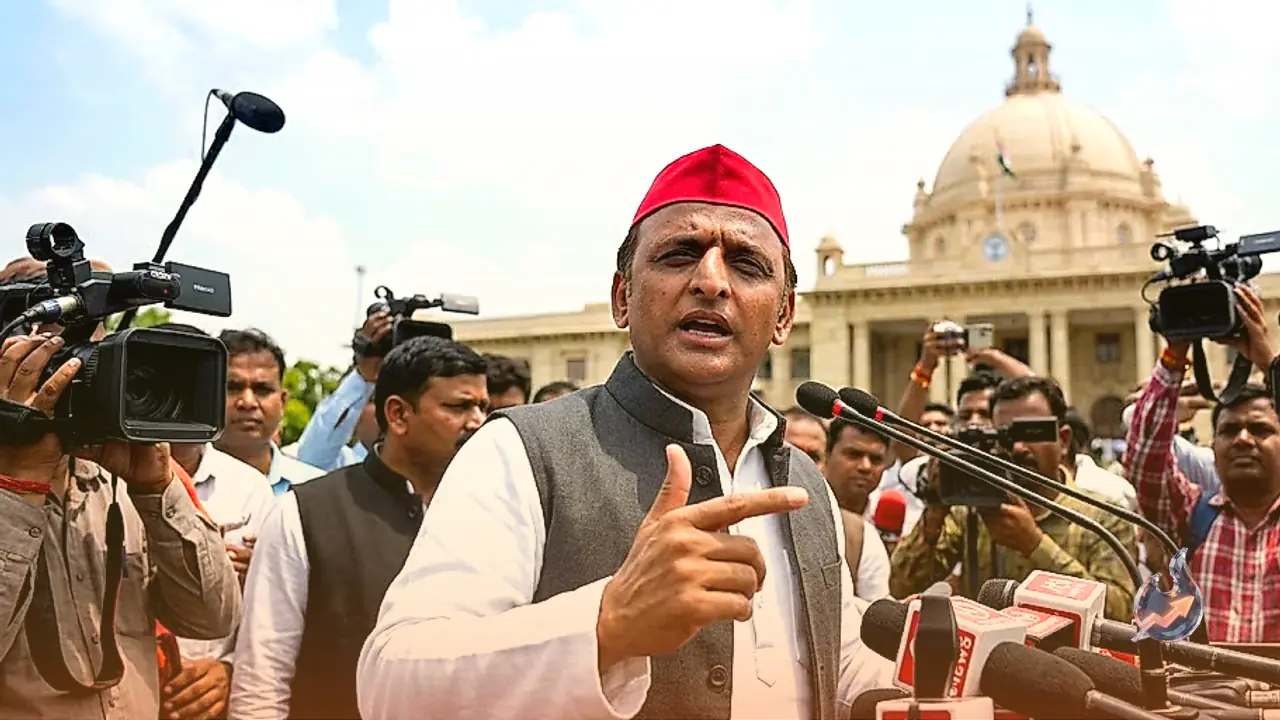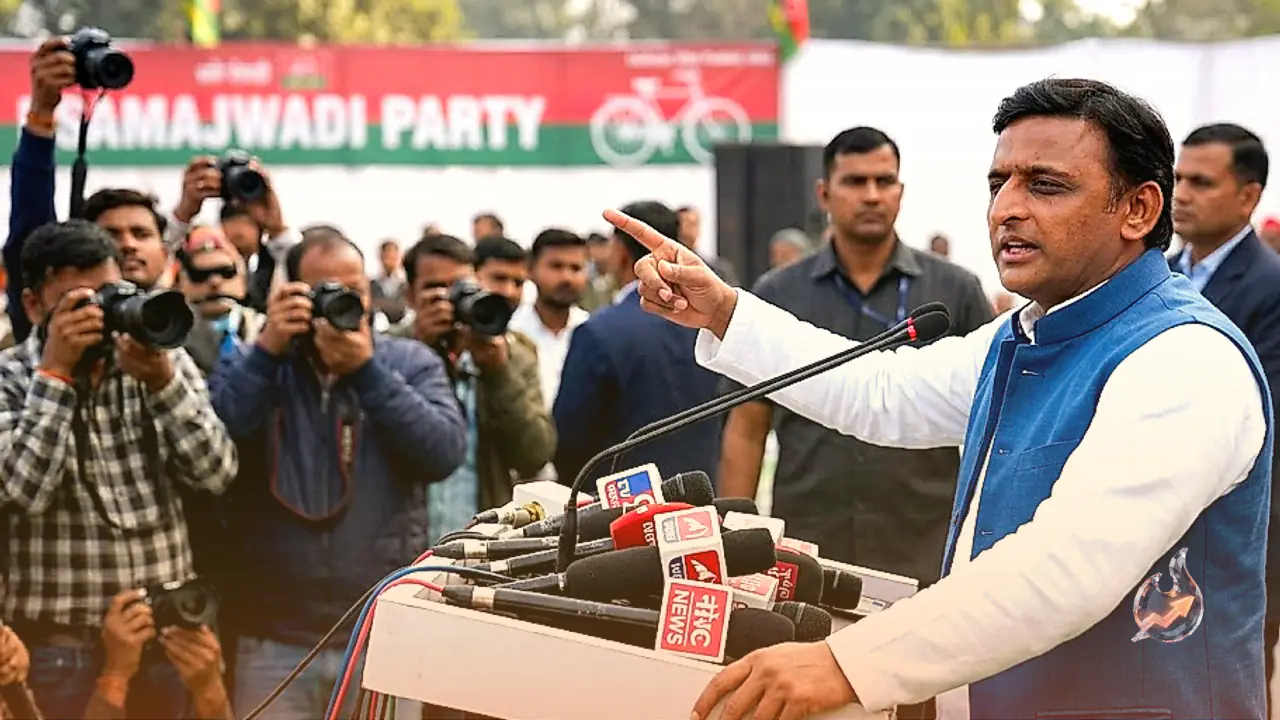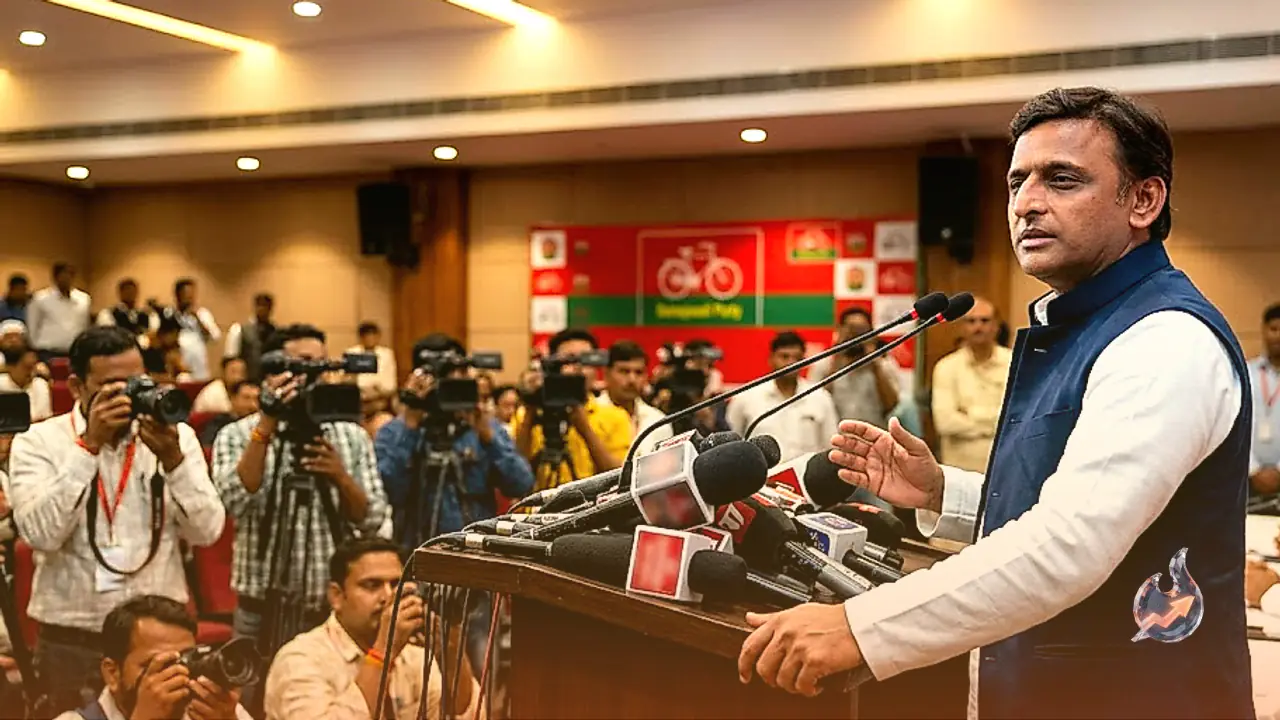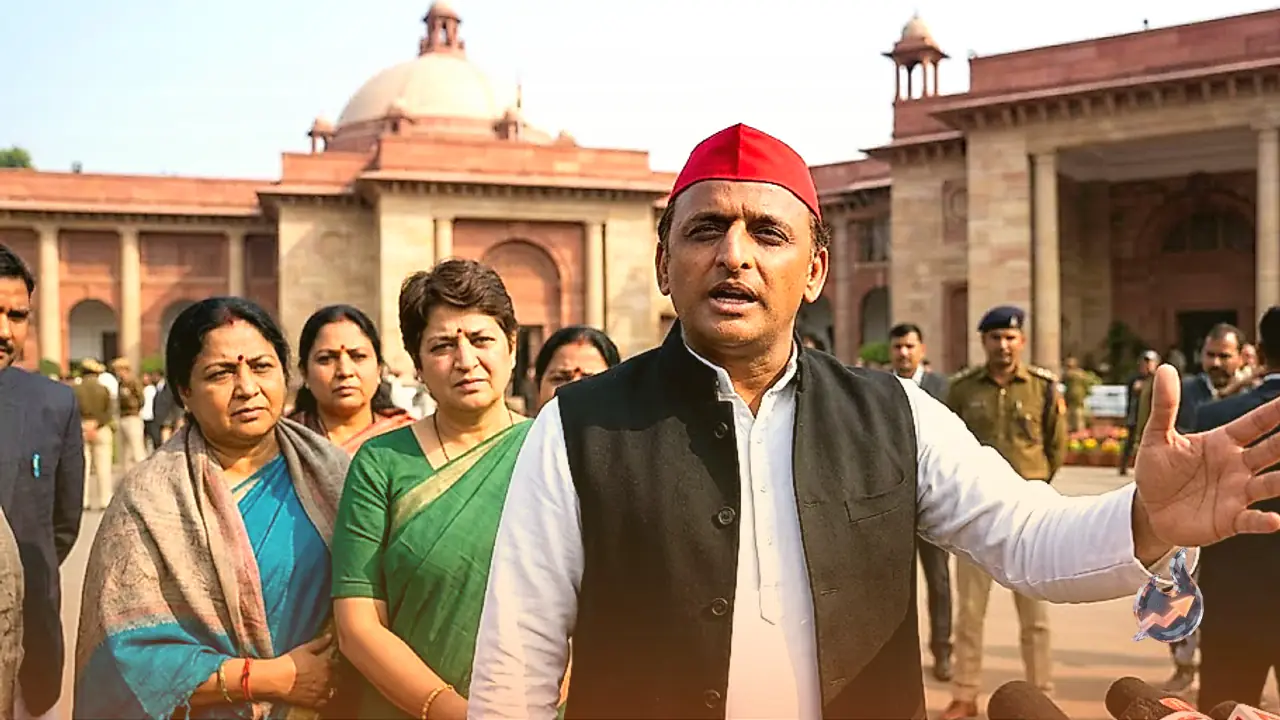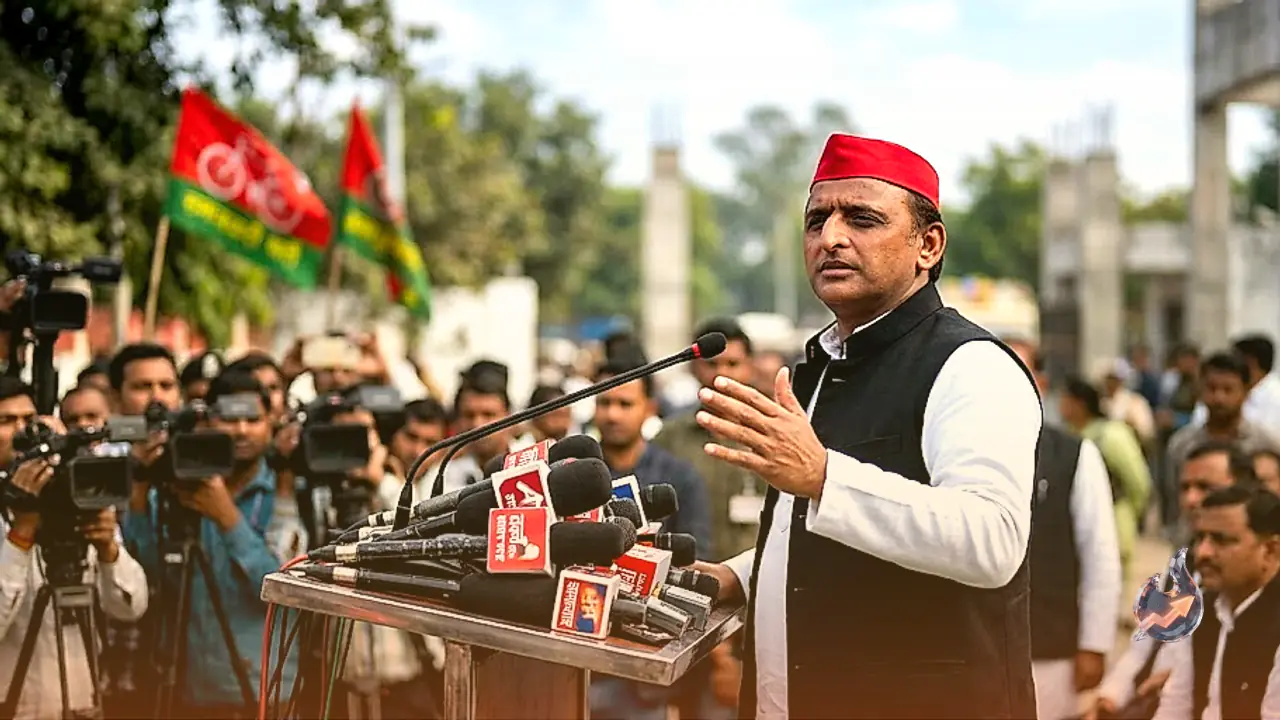


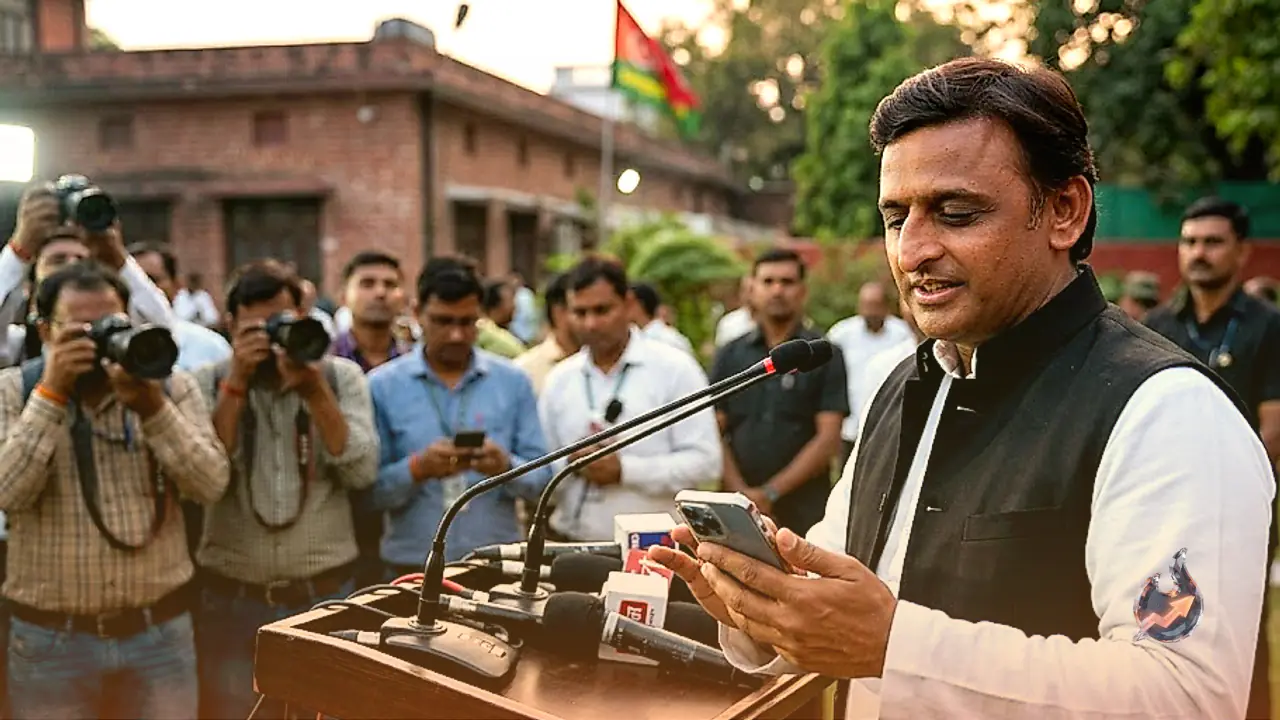


















Akhilesh Yadav has shared a short, poetic message on the social media platform X, taking a sharp aim at ongoing internal rivalries and political friction among opponents. The subtle post refrains from explicitly naming specific individuals or factions, yet it presents a strong critique of the escalating power struggle within political circles. The timing of the remark has sparked widespread discussions across digital platforms regarding the stability and direction of opposing political forces.
A Poetic Critique of Political Power Struggles
In a succinct two-line couplet posted from his official social media account, Akhilesh Yadav highlighted how an initial dispute aimed at ousting one another has now evolved into a broader vulnerability where both sides face potential exit. The metaphorical commentary suggests that relentless internal conflict and factionalism ultimately undermine all involved parties. By choosing a brief poetic structure, the statement delivers a pointed message regarding the unintended consequences of aggressive political maneuvering.
Role of Social Media in Modern Political Discourse
Digital channels like X have increasingly become vital arenas for leaders to issue strategic statements, rally public attention, and put pressure on political rivals. Akhilesh Yadav frequently utilizes short, expressive posts to shape public narrative without committing to prolonged formal declarations. This approach allows such messages to resonate quickly with followers while creating speculative debate among political observers and media analysts.
Strategic Implications for Opposing Factions
Observing factional disputes within rival camps is a common political strategy aimed at highlighting organizational weakness and leadership instability. By publicly drawing attention to these perceived internal rifts, the post seeks to frame the current political environment as one dominated by self-destructive friction. Such public observations often serve as a prelude to larger political positioning ahead of upcoming electoral battles and governance debates.
Public Reaction
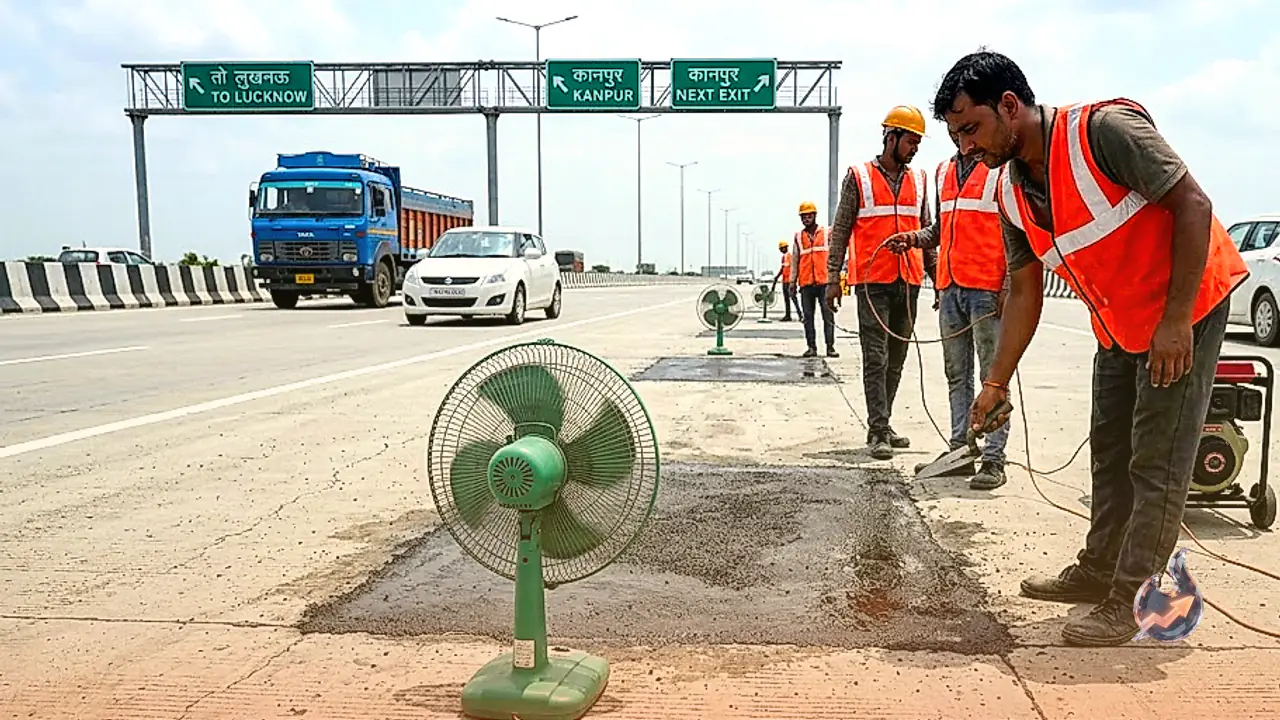
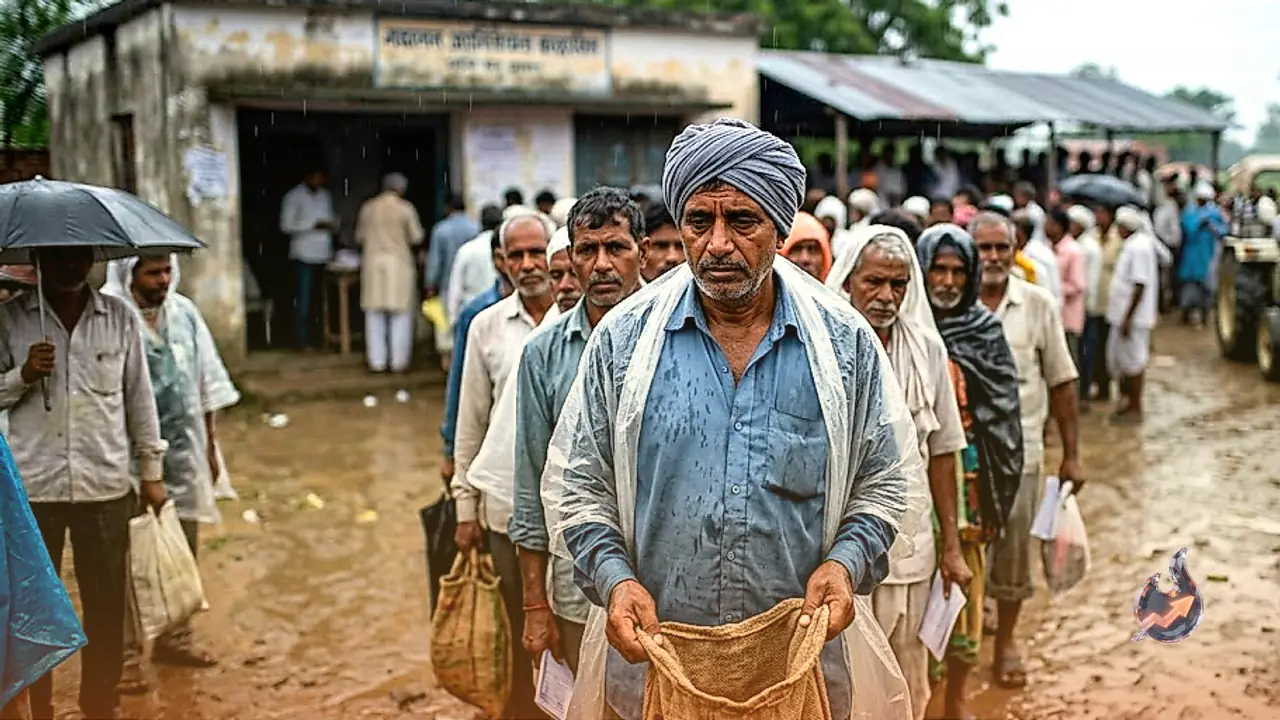
The social media update generated a varied wave of responses from the public and online commentators. While several supporters applauded the remark as a clever and timely observation on rival politics, critical responses pointed toward past political decisions and governance challenges. Additionally, some citizens used the opportunity to highlight pressing local issues, such as flood management and administrative negligence in regional areas, urging leaders to focus on public welfare rather than political banter.