







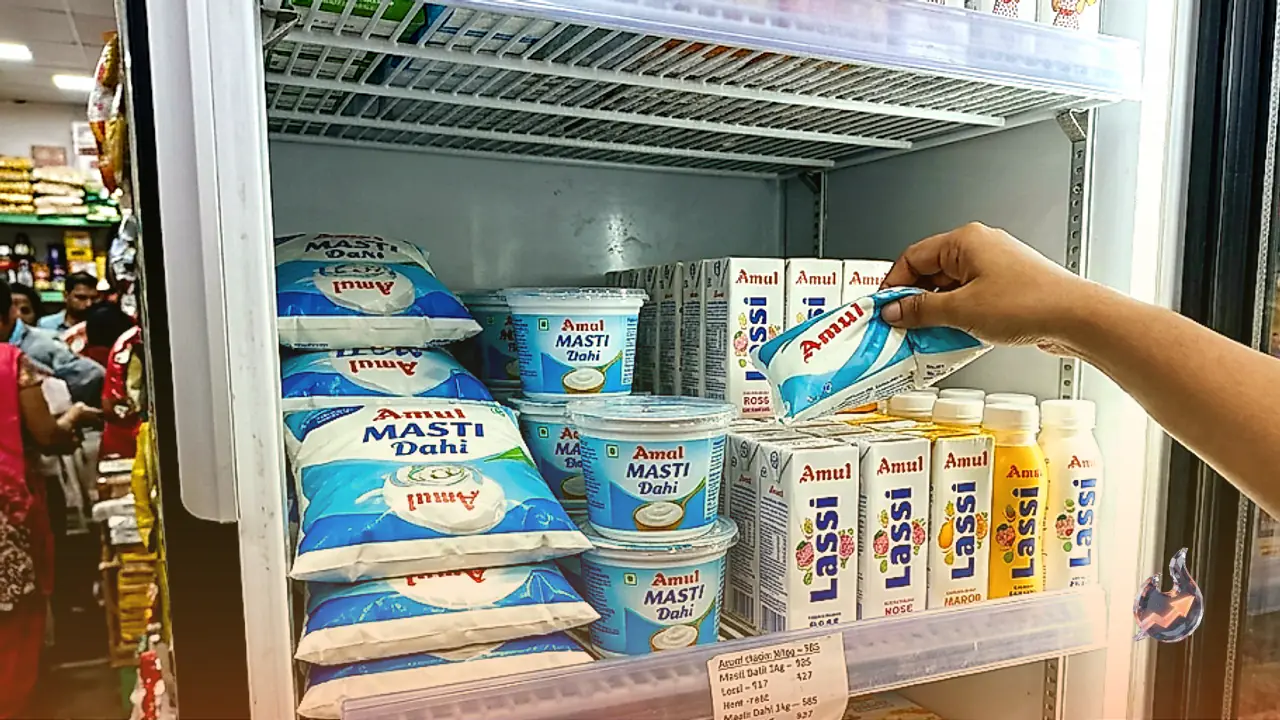















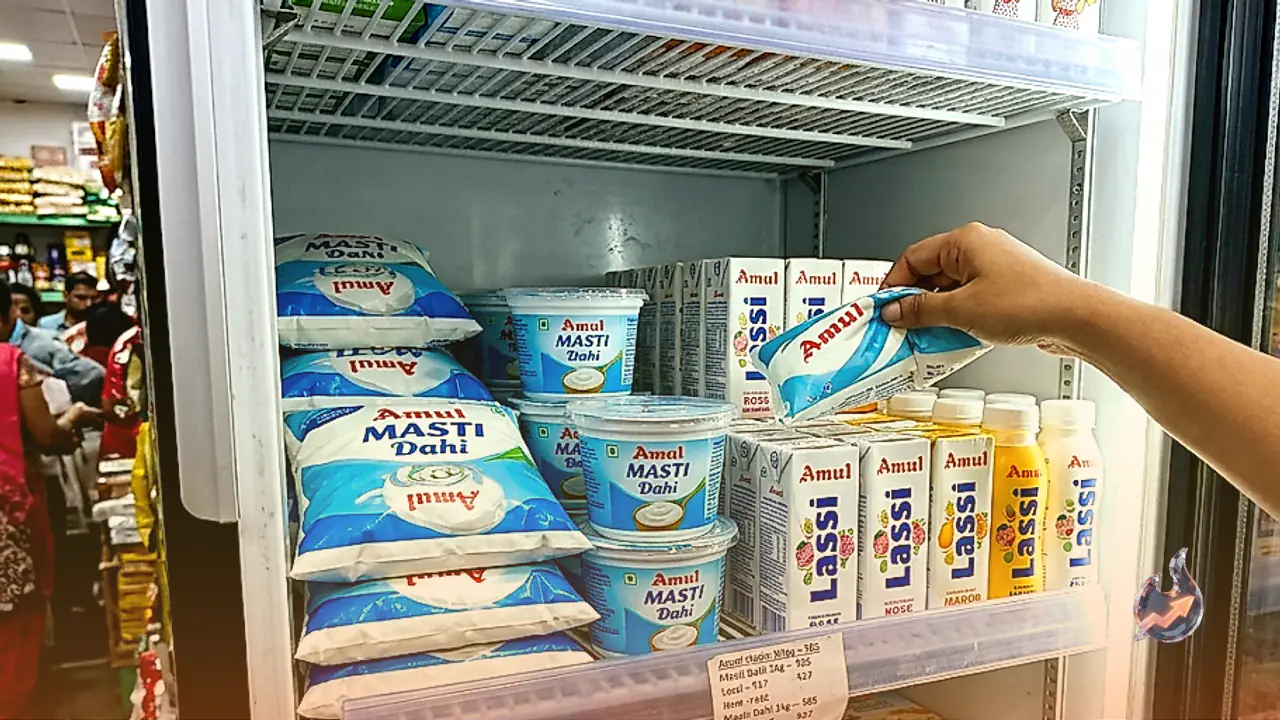

New Delhi residents and consumers across markets are facing a fresh round of price hikes from Amul. Following earlier increases in milk prices, the dairy major has now raised the rates for its curd and lassi offerings. The price of a one-kilogram packet of Amul Masti curd has gone up by five rupees. As a result, the curd packet that previously cost eighty rupees is now priced at eighty-five rupees. Additionally, the 380-gram curd packet has climbed from thirty-five rupees to thirty-seven rupees. The company confirmed that these updated prices came into effect starting November 14.
Bucket Curd and Lassi See Price Jumps
The price adjustments extend beyond standard packets. The one-kilogram bucket of Amul Masti curd has also become five rupees more expensive, moving from one hundred fifteen rupees to one hundred twenty rupees. In addition, the price of Amul Rose Lassi has been revised upward. The lassi, which previously retailed for fifteen rupees, now costs seventeen rupees. These revisions follow previous hikes implemented by the company on ghee, butter, and fluid milk products.
Earlier Increases in Milk Rates
Prior to adjusting curd and lassi prices, the company had raised milk rates across categories. Fresh milk prices went up by two rupees per litre, while Amul Gold prices increased by four rupees per litre. Consequently, a one-litre pack of Amul Gold now reaches seventy-six rupees, while the half-litre pack stands at thirty-eight rupees. The company noted that fresh milk prices saw a 3.3 percent increase, whereas Amul Gold experienced a 5.5 percent surge.
Reasons Behind the Repeated Price Increases
Amul has publicly addressed the factors driving these continuous price adjustments. The primary reason cited is the rising cost of procuring milk from farmers. Furthermore, expenses related to animal feed, packaging materials, and transportation logistics have escalated significantly. The company stated that it is forced to pass on a portion of these rising operational costs to end consumers. According to the company, cattle feed has grown nearly 10 percent more expensive, marking an overall increase of 20 percent since last year. Moreover, expenses tied to packaging and freight transportation have surged by 25 percent, directly influencing retail dairy prices across the board.