





















Fresh green vegetables and fruits often begin to spoil within days of being brought home. This issue frequently leads to significant losses for farmers as well, due to rapid crop degradation. To address this problem and ensure a year-round supply of nutrients to people, students from the post-harvest management department at Sri Konda Laxman Telangana State Horticultural University in Telangana have adopted an innovative approach.
The Dehydration Technique and Process
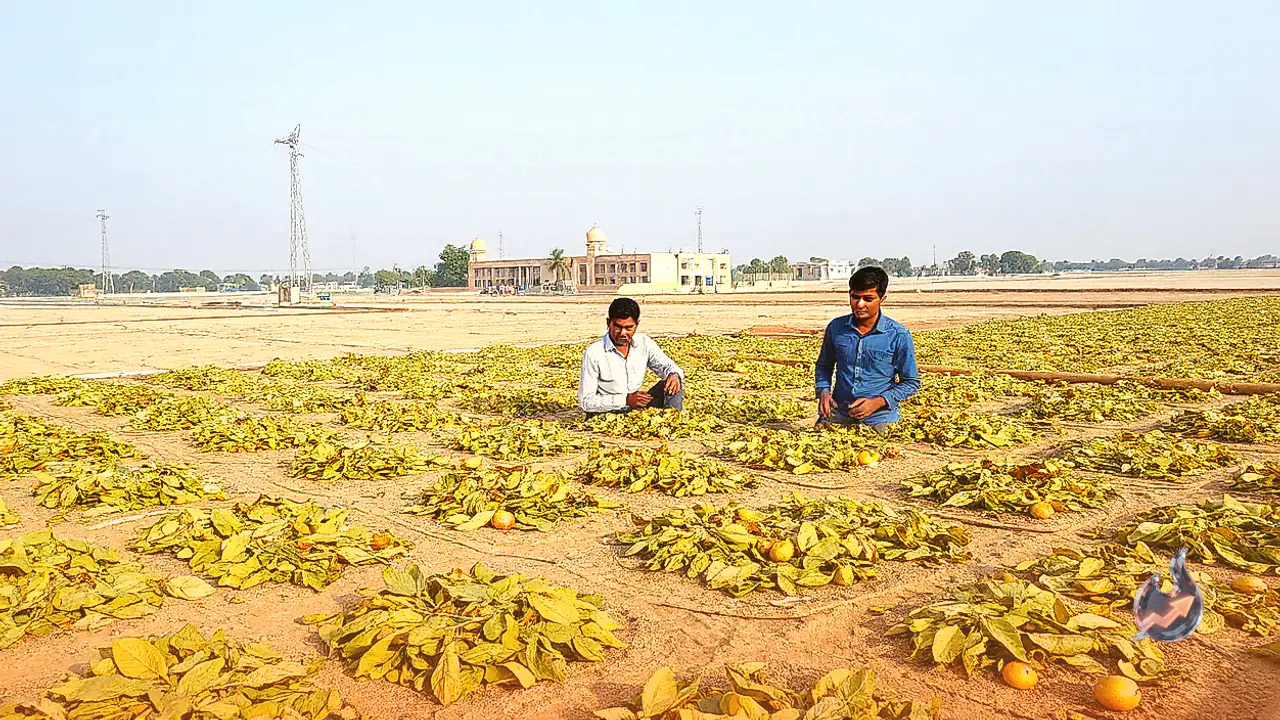
Under the institution's Experiential Learning Program, PhD and MSc students are actively processing fruits, vegetables, and medicinal leaves using modern dehydration technology. In this procedure, fresh leaves and vegetables are first thoroughly washed with clean water. They are subsequently dried at a specific temperature inside a dehydration machine installed on campus. A notable feature of this drying process is that while all moisture is completely removed from the vegetables, their natural nutrients remain intact. According to researchers, the absence of moisture allows these products to stay completely safe for six to seven months even without a refrigerator. Furthermore, if the packaging remains unopened, the items can be used for up to an entire year.
Production of Powders and Healthy Chips
The student team is producing a variety of herbal and spice powders utilizing drumstick leaves, beetroot, curry leaves, tulsi, giloy, amla, and lemongrass. In particular, the demand for iron-rich drumstick leaf powder has witnessed a rapid surge among consumers. Beyond powders, students are also preparing healthy dry chips from carrots, potatoes, bitter gourd, raw bananas, and cabbage, alongside orange peel and amla candies.
Health Benefits and Employment Opportunities
Students involved in the initiative note that people have become increasingly conscious of their health in modern times. These powders, prepared entirely without chemical additives, can be easily incorporated into daily meals such as lentils, rasam, or soup. At present, these items are being sold to students and staff through a sales counter established within the university campus. This initiative not only aids in improving public health but also holds the potential to emerge as an excellent source of livelihood for farmers and youths in the future.