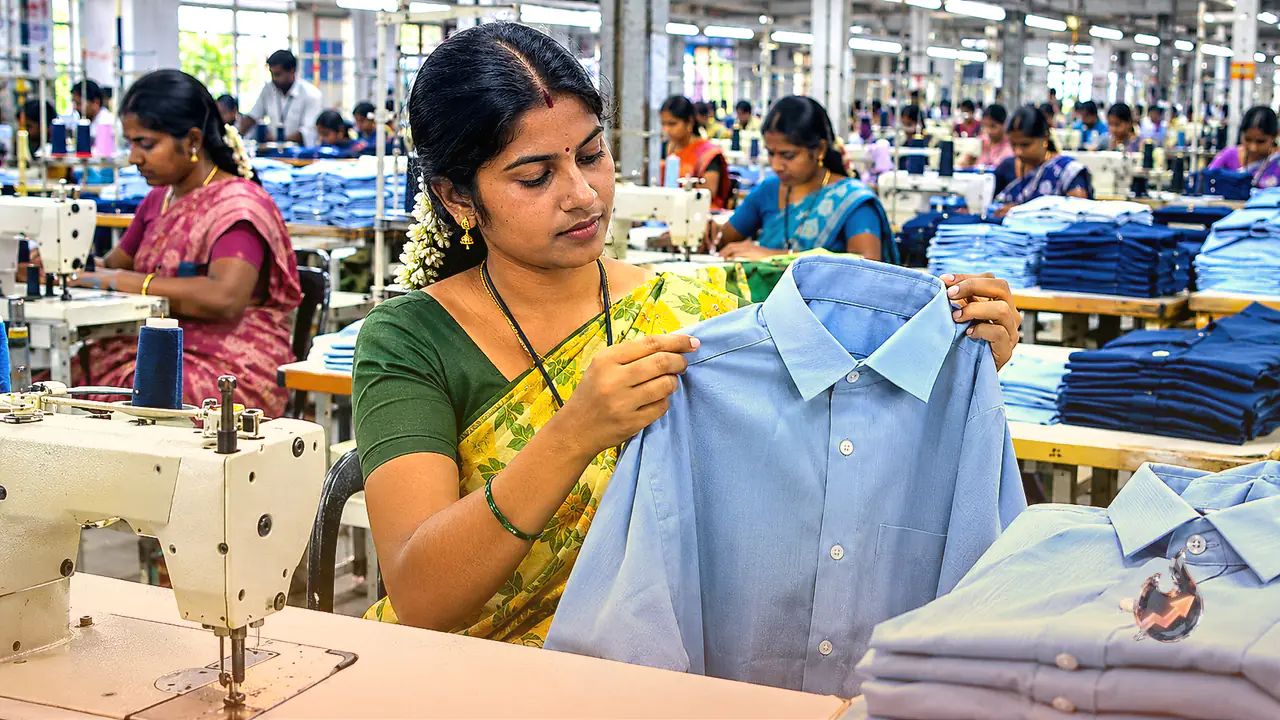

Amid ongoing political turmoil and deepening internal crises in Bangladesh, major global apparel brands have started pulling back their manufacturing operations. The situation has deteriorated to the point where several international labels are moving away from Bangladesh and looking toward India, providing a significant boost to the Indian textile sector. Conducting business has become increasingly challenging for foreign companies in the region, prompting them to redirect their production orders elsewhere.
Thousands of Crores in Orders Shifted Abroad
According to factory owners who manufacture goods for global brands, more than 10 percent of orders from major international labels such as Zara and H&M have been diverted to other Asian nations over the past few days. This figure surged even higher during the first fortnight of November. Between November 1 and November 18 alone, various brands transferred orders worth approximately USD 25.4 million, or roughly Rs 2,200 crore, to alternate countries. The majority of these redirected orders have been secured by Indian firms. This sudden downturn in business deals represents a severe blow to the Bangladeshi economy, especially given that the textile sector forms the backbone of its MSME industry.
Energy Crisis and Political Instability as Key Factors
Industry leaders point out that due to rising wages, an escalating energy crisis, and persistent political instability, Bangladesh is no longer a profitable market for global brands. Once the second-largest textile market in the world following China, Bangladesh is now witnessing a steady decline in the presence of international corporations. Recent protests triggered by worsening internal conditions disrupted production worth about USD 40 million. According to the Bangladesh Garment Manufacturing and Export Association, India's textile industry manages 80 percent of export earnings while accounting for roughly a 40 percent share in certain employment sectors.
The loss of business for Bangladeshi merchants is directly benefiting Indian manufacturers. Alongside India, some orders have also been transferred to Vietnam, Cambodia, and Indonesia. Notably, Bangladesh implemented a sudden 35 percent hike in worker wages. While this is considered one of the lowest increases in the past four decades, it has nevertheless dealt a severe shock to a garment industry already grappling with immense financial pressure.
Brands Facing the Deepest Impact
Factory owners in Bangladesh report that major global brands including Zara, H&M, Marks and Spencer, and Celio find it no longer feasible to continue business and production operations within the country. Consequently, preparations are underway to relocate manufacturing units to alternative locations, with the bulk of the operations expected to move to India. Industry observers note that foreign companies prioritizing cost efficiency when establishing manufacturing hubs in Asia now view Bangladesh as overly expensive, compounded by an unfavorable political climate that is forcing them to relocate their operations.