



















Known for its sprawling sand dunes and extremely dry climate, the city of Bikaner in Rajasthan has set a unique precedent in the world of trade. Despite the fact that not a single betel nut plant grows in its sandy soil, the city has developed a massive and highly organized betel nut industry that surprises many. According to market data, Bikaner consumes and sells an impressive 300 tons of betel nuts every single month. This is not just an ordinary local trade, but a highly skilled industry that has been running for generations, establishing a unique identity and strong brand value across national markets under the names Marwadi supari or Bikaneri supari. When you step into the old markets situated within the walled city, the constant sounds of cutting, sorting, and polishing echo the story of this vibrant economy.
The Long Journey From Assam and Karnataka to the Desert
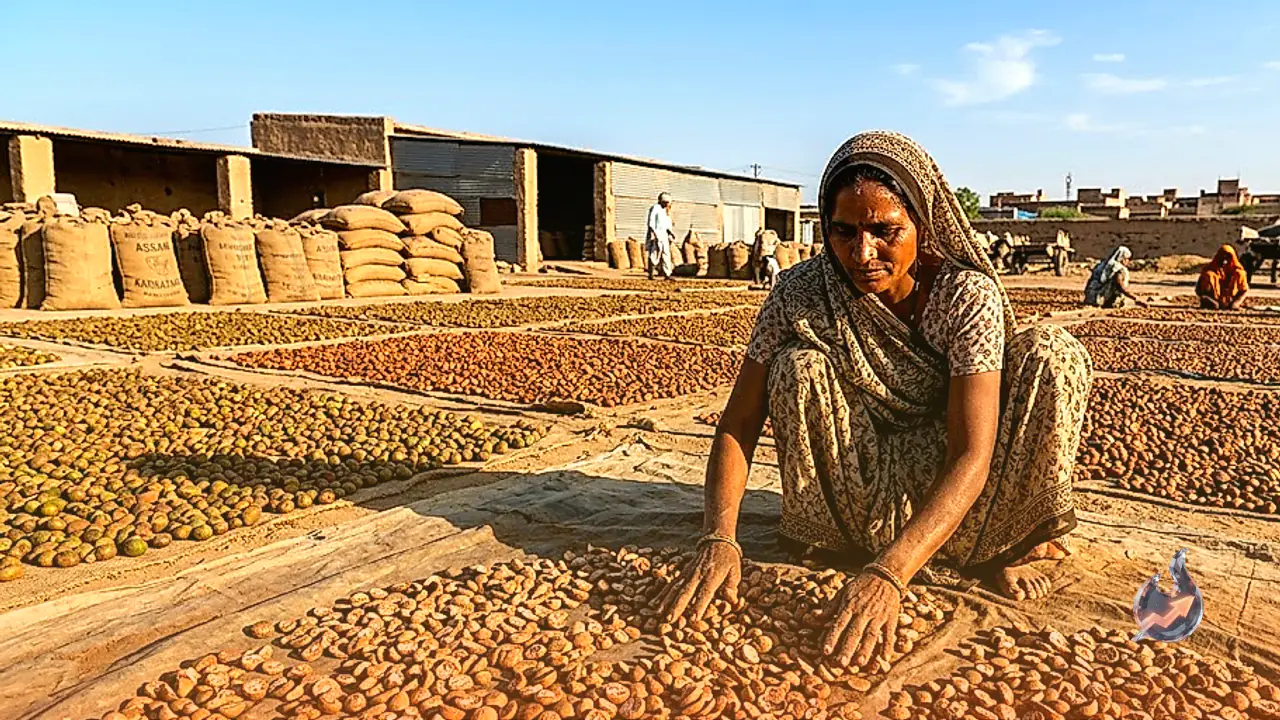
The journey of this famous betel nut sold in Bikaner begins in the southern and northeastern states of India, which are characterized by heavy rainfall and humid climates. Local traders primarily order raw betel nuts on a large scale from states like Assam and Karnataka, transporting them via trucks and freight trains. Once this raw material from the lush green plantations of these states reaches the warehouses of Bikaner, the real transformation begins. In fact, Bikaner’s scorching sunlight and extremely dry climate serve as a natural boon that turns this raw betel nut into an excellent, high-value product. The raw betel nuts are spread out on a massive scale across open grounds, large rooftops, and empty plots to dry. Depending on the weather conditions, the intensity of the sun, and the initial quality of the raw nuts, this drying process can take anywhere from a few days to as long as three or four months.
Scorching Sun Enhances Taste and Color
Baking under the intense sun for such an extended period brings about a massive change in both the physical and chemical properties of the raw betel nut. This desert weather completely absorbs the natural moisture present inside the nut. Local traders explicitly state that this is the most crucial process that brings out the betel nut’s original color, its hard texture, and most importantly, its distinct flavor. It is this unique and robust taste that sets Bikaner’s betel nut entirely apart from other alternatives available in the market. Furthermore, because the moisture is completely eradicated, the shelf life of the product increases significantly, allowing it to be easily stored for months in any corner of the country without spoiling.
Cutting and Processing Based on Market Demand
Once thoroughly dried in the sun, the whole betel nuts are not sent directly to the market for sale. Instead, they must go through a long and labor-intensive processing phase. Across hundreds of small and large units operating in the city, these dried, hard betel nuts are cut into various sizes using heavy machinery and traditional sharp tools. The pieces are tailored specifically to customer preferences and the ongoing demands of the pan masala market nationwide. Among these, the smooth Chikni supari variety remains in the highest demand. According to traders, this specific variety is primarily used to prepare sweet betel nut mixtures and fragrant mouth fresheners, which people enjoy chewing after meals. Alongside the cutting process, these pieces are also given a special polish so that they look attractive and shiny to the consumer.
Price Variations and Local Employment
The market price of the betel nut is determined differently based on its quality, size, polish, and its state of origin. Looking at the current rates, the betel nut sourced from Assam easily sells in the local market for between Rs 700 and Rs 800 per kilogram. On the other hand, the betel nut from Karnataka is considered much more premium and robust, pushing its price anywhere from Rs 1000 to Rs 1600 per kilogram. This massive trade is not only yielding profits for big traders but has also become a huge source of employment for the local population. In Bikaner, the tasks of unloading the nuts from trucks, spreading them to dry, cutting them, polishing them, and finally packing them into various packets provide direct livelihoods to about 600 to 700 people.
A Business Dominance Lasting Generations
Despite relying entirely on the agriculture of other states for their raw materials, the traders of Bikaner have established an undisputed dominance in this sector through their business acumen and this specialized processing art. The old, narrow markets inside the walled city still remain the major hubs of this trade today. There are numerous merchant families who have been engaged exclusively in this business for generations and have successfully modernized it over time. It is no longer just a trade, but has become an integral part of Bikaner’s commercial identity and economy. It has proven that with the right techniques and proper utilization of the natural climate, a city can become the country's biggest hub for a specific product even without farming it.