























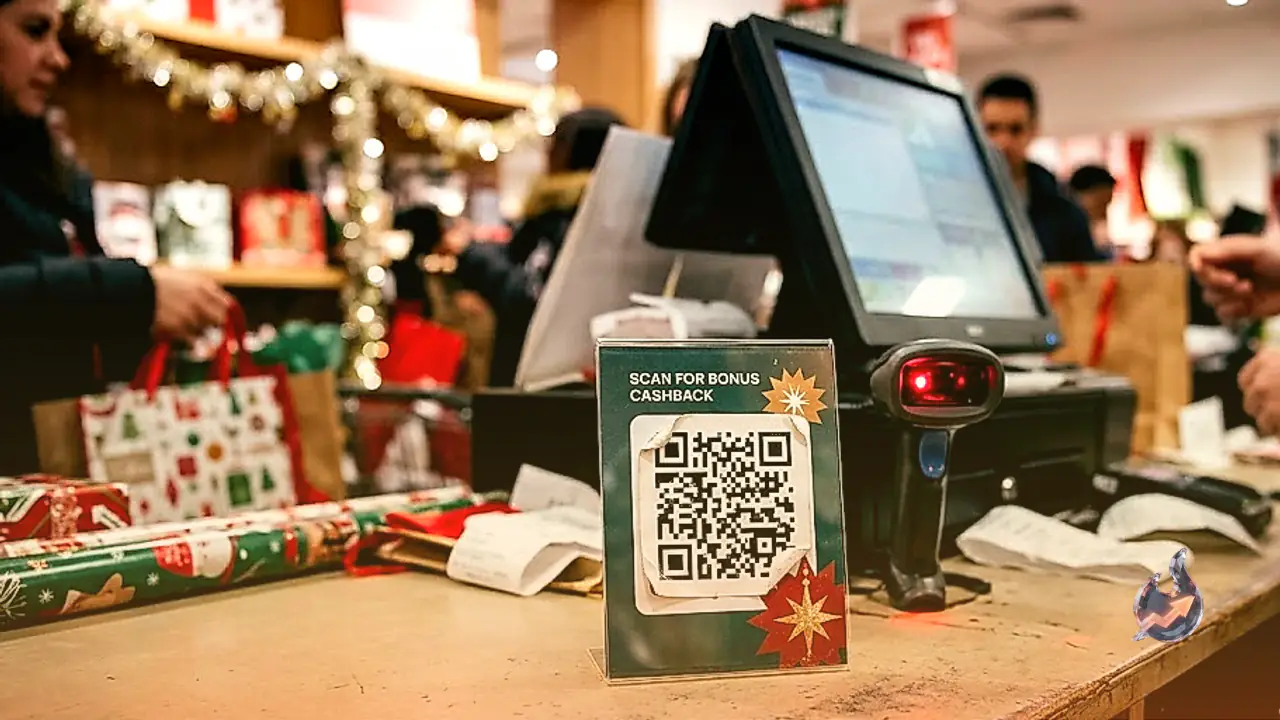

Festive shopping sprees inevitably trigger a dramatic spike in online transactions, drawing millions of buyers into crowded street markets and bustling e-commerce portals. Taking advantage of the holiday rush, digital payments platform PhonePe has issued an urgent advisory warning consumers about the mounting dangers of QR-code deception. Cyber criminals routinely exploit hurried consumers during this high-spending window by pasting counterfeit QR-code stickers directly over legitimate merchant displays or tricking users into scanning deceptive codes under the lure of attractive festival cashbacks, refunds, or exclusive holiday reward points.
Primary Deception Channels Deployed by Scammers
Digital fraudsters primarily rely on two established tactical approaches to reroute payments from consumer accounts into unauthorized pockets. Both mechanisms depend heavily on consumer distraction, lack of verification, and the rapid pace of seasonal spending.
The first widespread channel involves malicious messaging campaigns. Operators send fabricated QR code graphics through messaging services such as WhatsApp, asking the recipient to scan the image and enter their secret UPI PIN in order to collect free cash rewards, Diwali Bonus Offers, or Gift Hampers. In several instances, fraudsters deploy specialized applications that generate QR codes with pre-populated debit values. The moment an unsuspecting victim enters their UPI PIN under the impression of receiving free money, the pre-set funds are immediately wiped from their linked bank account.
The second primary threat vector targets physical retail points through tampered merchant codes. Shoppers scanning payment stickers at busy retail counters often end up transferring funds directly into a scammer's repository because a counterfeit QR sticker was pasted over the shopkeeper's authentic display. In the rush of checking out, buyers assume the sticker belongs to the store owner, failing to notice that the destination account has been hijacked.
The Fundamental Principle of Receiving Digital Payments
Protecting account balances begins with remembering one inviolable rule of the Unified Payments Interface ecosystem: you never need to enter your UPI PIN or press a payment button to receive money into your account. A legitimate sender requires nothing more than your registered mobile number to route funds to you. If a user encounters a manipulative or unexpected payment request prompt, they should refrain from responding and immediately flag the sender using the reporting tools inside the PhonePe application.
Actionable Verification Habits for Retail and Online Buyers
Shoppers can neutralize potential fraud by adopting disciplined verification habits before confirming any transaction. Whenever a QR code is scanned, particularly at counter stands in brick-and-mortar stores, users must double-check the recipient's displayed name and the exact payment amount on the confirmation screen before entering their UPI PIN.
Internet users should also activate a dependable pop-up blocking utility inside their browser configuration to intercept harmful scripts and unsolicited messages. Users must avoid clicking on embedded links or images within unexpected pop-up prompts unless the legitimacy of the origin has been independently confirmed beyond doubt.
Securing private banking data further requires limiting digital commerce strictly to established, reputable merchants. Buyers should remain deeply skeptical of any communication that creates an artificial sense of urgency. High-pressure demands or countdown timers promoting time-sensitive rewards are classic danger signals; consumers should pause immediately and verify the claims through authentic, external sources before proceeding.
Automated Defenses and Multi-Layer Security Architecture
To detect and prevent fraudulent activities before money leaves an account, the platform utilizes the PhonePe Protect framework. This specialized security system is engineered to identify potentially hazardous transfers and trigger real-time warnings directly within the payment workflow. It presents contextual risk alerts, prompts the consumer to actively confirm whether they authorized the transfer, and integrates ongoing user feedback to continuously improve threat detection models.
The defensive perimeter also incorporates rigorous identity checks, biometric verification, document authentication protocols, and two-factor authentication standards. Furthermore, behavioral biometrics evaluate unique device traits alongside typical patterns of user activity, allowing backend systems to flag anomalous actions that diverge from standard customer behavior.
Official Channels for Reporting Incidents and Fraudulent Communications
Whenever a consumer suspects that an unauthorized or deceptive transaction has occurred, swift escalation is critical. The affected party should immediately submit an incident report through the Help module inside the PhonePe app, while also connecting with customer support agents or reaching out to the dedicated grievance redressal channel of the platform.
In instances involving financial cyber crimes, reporting the event without delay can assist in freezing illicit fund transfers. Victims should file a formal complaint through the National Cyber Crime Reporting Portal at cybercrime.gov.in or immediately dial the national cybercrime helpline number at 1930 to initiate prompt administrative action. Suspicious incoming phone calls, spam texts, and fraudulent communication attempts can also be flagged through the Chakshu facility hosted on the Department of Telecommunications' Sanchar Saathi portal.
Maintaining absolute secrecy around private banking credentials remains paramount. Users must never disclose their UPI PIN, account passwords, or one-time verification codes to any third party offering refunds, cashback schemes, or festive presents. Receiving money through digital interfaces never requires PIN authorization, and remembering that distinction keeps banking accounts safe.