






















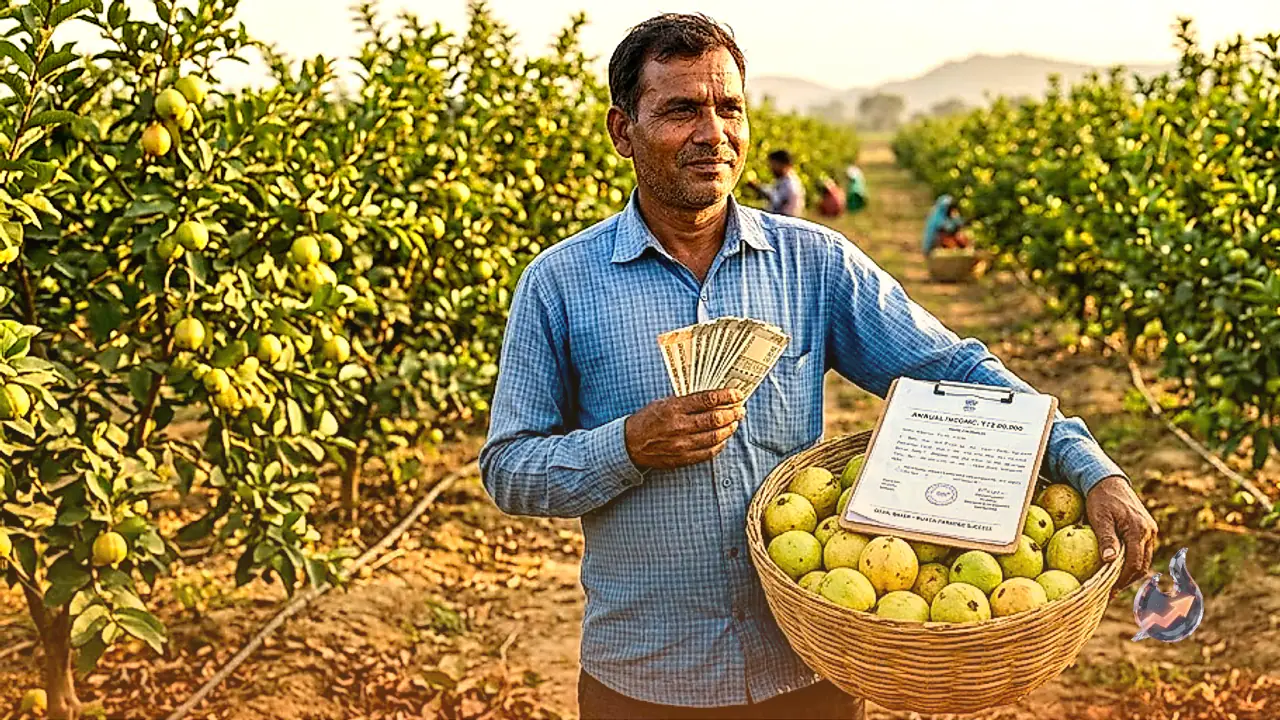

Shashi Ranjan Singh, a farmer based in Kharhari village of the Gaya district, has achieved significant success in guava cultivation. He has cultivated various premium varieties of guava across a sprawling 14-acre orchard. Through his dedication and adherence to proper horticultural practices, he is currently generating an annual income of approximately 12 lakh rupees. Shashi Ranjan shares key insights for those looking to venture into guava farming, emphasizing that careful maintenance is the key to both superior yield and increased profitability.
The Importance of Field Preparation and Weed Management
According to Shashi Ranjan, the selection of the field is the foundational step for any successful guava plantation. He advises farmers to choose land where the growth of grass and weeds is minimal. Guava plants rely on their roots and the surrounding soil to absorb oxygen. If the field is overgrown with weeds, these plants compete with the guava trees for vital nutrients and oxygen, which can severely hinder growth. To prevent this, regular weeding and tilling of the soil are essential. When necessary, the use of weed-killing pesticides is recommended to keep the base of the plants clear and healthy.
Scientific Planting Techniques
Shashi Ranjan employs a specific method to ensure his saplings get the best start. He begins by digging a hole approximately 1.5 feet deep. This hole is left open and exposed for at least one week, allowing sunlight to neutralize soil-borne pathogens. After this, the pit is filled with a nutrient-rich mixture consisting of cow dung manure, mustard oil cake, neem cake, and necessary agricultural inputs before the plant is set into the ground. This preparation provides the necessary nutrients for initial growth and facilitates stronger root development.
Nutrient Management and Irrigation
Consistent nourishment is crucial for the robust development of the plants. Shashi Ranjan recommends using organic fertilizers like cow dung, poultry manure, and mustard cake to supply essential nutrients. Furthermore, regular irrigation is mandatory after planting. He stresses that until a plant reaches full maturity, it must be provided with water at regular intervals to maintain its health. Consistent moisture is a non-negotiable factor in his orchard's success.
Timing the First Harvest
Developing a strong, long-lasting tree requires patience during the early stages. When the plant produces flowers for the first time, Shashi Ranjan suggests plucking them off. This practice redirects the plant's energy toward strengthening its trunk and root structure rather than fruit production. Only during the second flowering cycle should the fruits be allowed to develop. This cautious approach ensures the plant grows into a sturdy tree that provides higher yields and better quality fruit in the long run.