























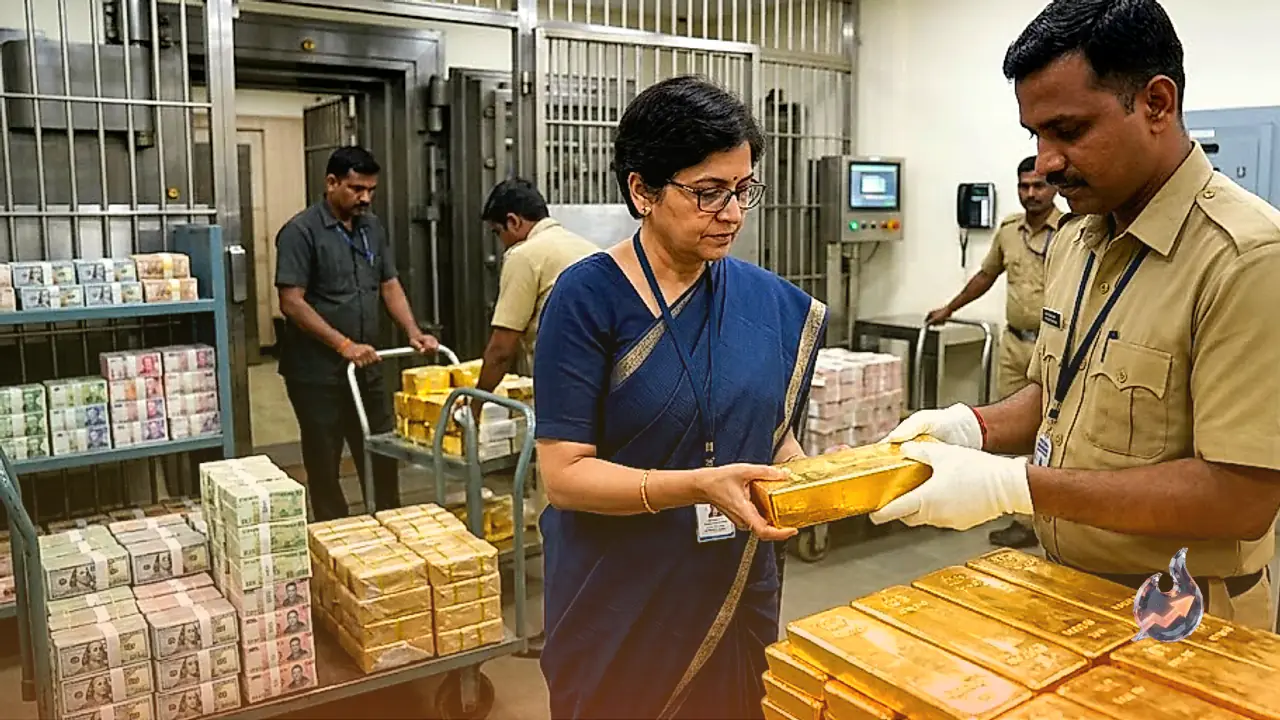

According to the latest data released by the Reserve Bank of India (RBI), the nation's foreign exchange reserves witnessed a substantial rebound for the week ending July 3. The reserves increased by $7.26 billion during this period, bringing the total tally to $674.19 billion. This marks a recovery from the previous week, during which the reserves had declined by $5.65 billion to settle at $666.93 billion. For context, the country's forex reserves had previously climbed to a record high of $728.49 billion in the week ending February 27, before the intensification of conflicts in West Asia.
Impact of West Asian Tensions on the Rupee
The escalation of conflict between the United States and Iran in West Asia had placed significant pressure on the Indian rupee. To maintain stability, the RBI intervened in the foreign exchange market by selling dollars, which caused the reserves to drop consecutively over several weeks. According to central bank data, the primary component of the reserves, foreign currency assets, rose by $4.51 billion during the week to reach $545.578 billion. The valuation of these assets accounts for the appreciation or depreciation of non-US currencies like the euro, pound, and yen held within the foreign exchange reserves.
Growth in Gold Reserves and Other Components
Beyond foreign currency assets, the value of the nation's gold reserves also showed a robust upward trend. The RBI reported that the value of gold reserves rose by $2.67 billion, reaching $105.20 billion during the review week. Other components also contributed to the growth; the Special Drawing Rights (SDRs) increased by $65 million to $18.62 billion. Additionally, India's reserve position with the International Monetary Fund (IMF) saw an increase of $15 million, bringing it to $4.79 billion by the end of the week.
Foreign Exchange Savings Through Ethanol Blending
In a separate development impacting the economy, the government highlighted the success of the ethanol blending program in petrol. On Friday, the government stated that this initiative has not only supported the sugar industry and boosted farmers' incomes but has also resulted in significant savings of foreign exchange. Ashwini Srivastava, Joint Secretary in the Ministry of Food, noted at a conference organized by the Grain Ethanol Manufacturers Association (GEMA) that the move has reduced the country's dependence on crude oil imports. He detailed that between the 2014-15 fiscal year and 2026, the supply of ethanol has replaced the need for over 31 million tonnes of crude oil, leading to a savings of more than Rs 1.90 lakh crore in foreign exchange.