






















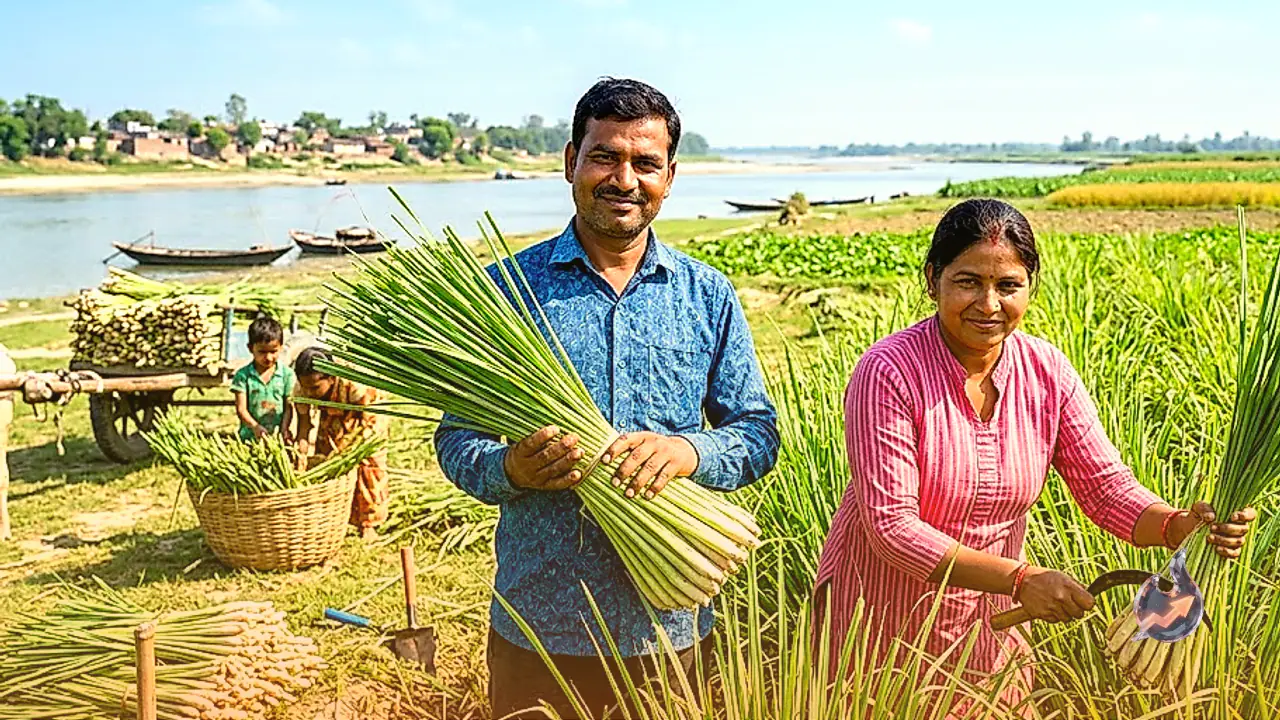

Lemongrass farming is emerging as a profitable venture for farmers in Moradabad, particularly in the areas along the banks of the Ramganga river, where the climate and soil are proving ideal for this aromatic grass. The crop needs little water and low investment, and once planted, it keeps yielding harvests for several years, making it an attractive option as demand for lemongrass oil, tea and medicines continues to rise.
Why land along the Ramganga suits lemongrass
Agricultural experts say Moradabad's climate and land, particularly the soil in the riverside belt along the Ramganga, are perfectly suited to lemongrass cultivation. The crop's biggest advantage is that it requires very little water and a small initial investment, yet once planted, it continues to produce harvests for several years in a row. That combination is what makes it a high-return crop that pays off in a relatively short span of time.
Farmers can earn up to Rs 2 lakh per acre
With proper care, farmers growing lemongrass can earn between Rs 1 lakh and Rs 2 lakh per acre every year. Because it delivers strong returns in a relatively short period, the crop is fast becoming a preferred choice among farmers in Moradabad. With demand for lemongrass oil, tea and medicinal products steadily climbing, farmers now have an easy way to boost their income.
Planting through slips, and why soil selection matters
Agricultural scientist Dr Deepak Mehandiratta explained that lemongrass is grown mainly to extract oil, and that several varieties, including the Krishna variety, are now available for cultivation. The crop is planted using slips, and farmers select land where water does not stagnate and the soil is loamy in texture. Once a single slip is planted, numerous additional slips sprout around it on their own, and these are then used to expand the crop further. Grown this way, the crop can yield around 3 cuttings within about 7 years. According to Dr Mehandiratta, harvesting should be done as soon as the plants begin to flower. After cutting, the oil is extracted through a simple process.
Up to 100 to 110 litres of oil in a year
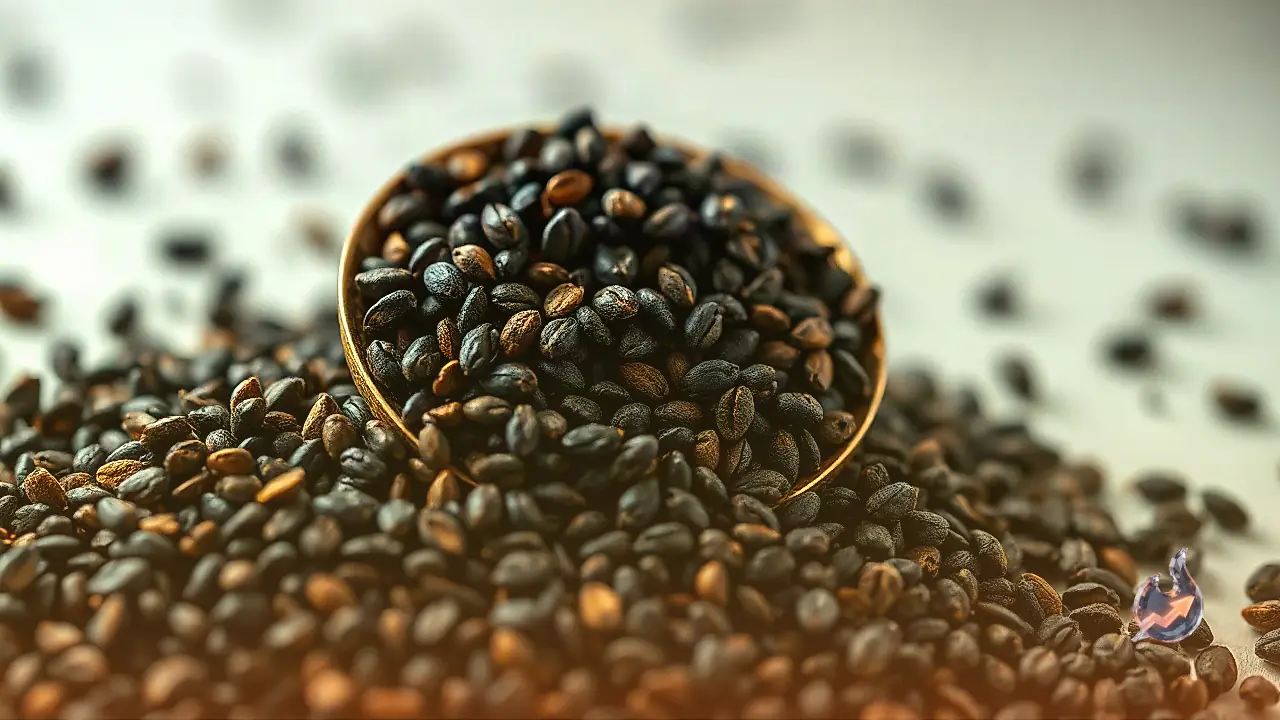
Dr Mehandiratta said lemongrass oil is used for numerous medicinal and other purposes, keeping demand for it steady in the market. If the crop is healthy and the ears develop properly, farmers can obtain around 100 to 110 litres of oil from roughly 3 cuttings within a single year. That volume of oil translates into a solid income for farming families. Cultivating lemongrass also spares farmers the need to repeatedly plough their fields, saving both labour and expense.
Leaves sell too, and honest effort pays off
Dr Mehandiratta noted that farmers who cultivate the crop diligently and honestly find a ready market not just for the oil but also for the leaves, which are used in products like green tea and are bought separately by many buyers. Between the earnings from oil and from leaves, lemongrass farming has become a genuinely profitable pursuit for farmers in Moradabad.