























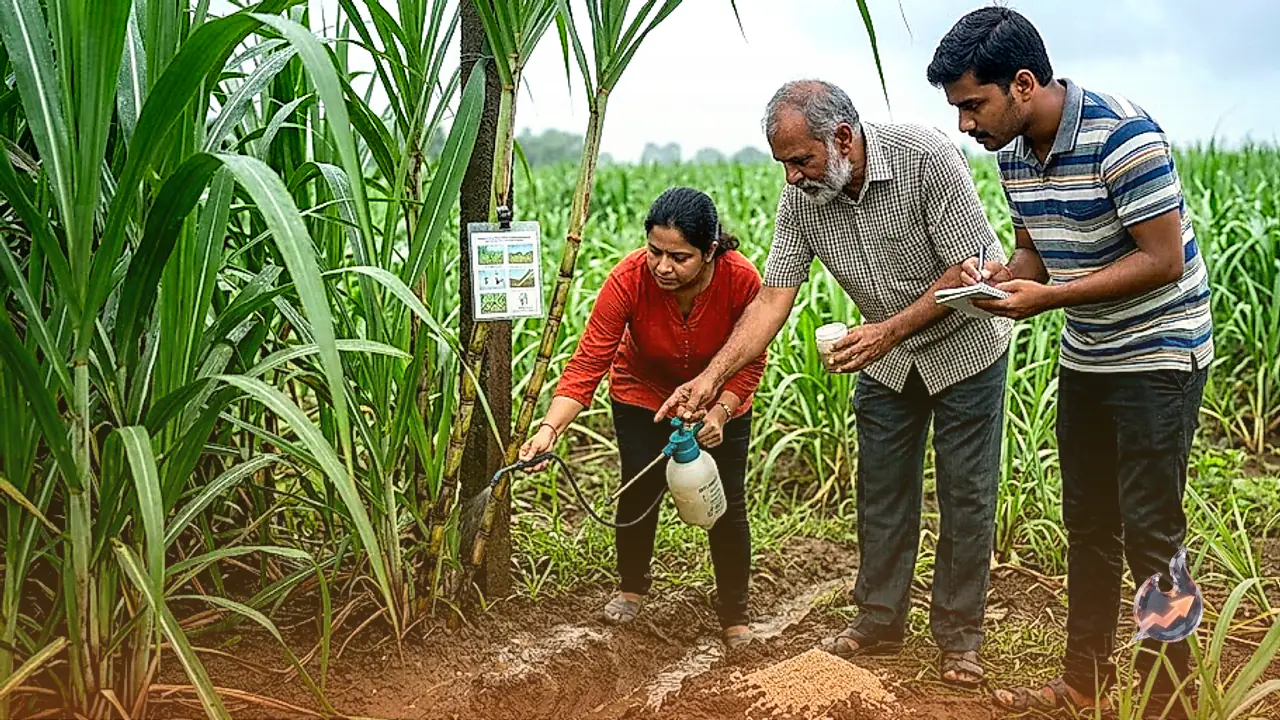

With active monsoon conditions bringing continuous heavy rainfall, farmers are facing significant challenges. The risk of waterlogging in fields has raised concerns about potential damage to sugarcane crops, leading to anxiety over potential yield losses due to changing weather patterns. Agricultural experts have now provided several critical recommendations to manage sugarcane effectively during the rainy season, allowing farmers to protect their investments.
Effective Water Drainage Management
Dr. Satish Chandra Narayan, a scientist at the Regional Research Center, emphasizes that the primary task during the monsoon is ensuring proper drainage of water from the fields. If water stagnates within the farm, it can severely damage the roots of the sugarcane plants. To prevent this, farmers are advised to dig drainage channels across the field. If water accumulates heavily, it is essential to use pumps to drain the excess water out as quickly as possible. The sooner the soil dries, the higher the chances of ensuring the crop's survival and growth.
Strategic Fertilizer Application
Once the soil in the field is dry enough to walk on, immediate application of fertilizer is crucial to boost the rapid development of the crop. According to Dr. Satish Chandra Narayan, farmers should increase their nitrogen application by approximately 20 percent above standard levels during the monsoon. Furthermore, applying about 30 kilograms of potash and 25 kilograms of sulfur per hectare is highly beneficial for the crop. Sulfur, in particular, provides structural strength to the plants and assists in the recovery of crops affected by heavy rains. Notably, since phosphorus is typically found in sufficient quantities in waterlogged fields, there is no need for separate phosphorus application.
Foliar Spray for Quick Nutrition
Experts suggest that applying a solution of nutrients directly onto the leaves is an effective way to provide immediate energy to the plants. For this, farmers should prepare a mixture consisting of 3 kilograms of urea and added micronutrients dissolved in 200 liters of water. This solution should be sprayed at a rate of one acre to ensure the crops receive the necessary nutrients to recover and thrive.
Combating Fungal Diseases
Extended periods of waterlogging significantly increase the danger of fungal diseases like Red Rot in sugarcane. To mitigate this risk, farmers are advised to use Trichoderma harzianum. This should be applied to the soil or through irrigation water twice, maintaining an interval of 15 days between applications. This practice significantly helps protect the crop from fungal infections and has a positive impact on overall production yields.