
Handicrafts, clothing and home décor made in small towns and villages no longer have to depend only on nearby buyers. Online marketplaces give their makers a route to customers in other parts of India. Platforms such as ONDC and Amazon Karigar can help artisans and home-based businesses reach those buyers without first taking on the cost of a shop or showroom.
Operating without a retail space can avoid rent, electricity bills and other expenses tied to a physical shop. A small area at home can be used to store products and prepare orders. That can make it possible to begin with less capital. The seller still has to make the products and get them ready for sale, but a storefront is not a prerequisite for reaching customers online.
Small sellers on ONDC
ONDC, a platform backed by the Indian government, provides small traders with an opportunity to join online commerce. More than 5 lakh sellers have joined the network, and over 85 percent are small and medium-sized traders. It operates in more than 500 cities and records a large number of transactions every month. Those figures show that online selling is not limited to large businesses; smaller sellers are also participating.
For a seller, joining a digital network can mean presenting products to potential customers beyond the local area. Sales need not be limited to people who visit a nearby shop. ONDC also allows small sellers in some categories to start without a GST number. The provision does not apply to every category, so sellers need to check which requirements apply to their own products.
Connecting artisans with a wider market
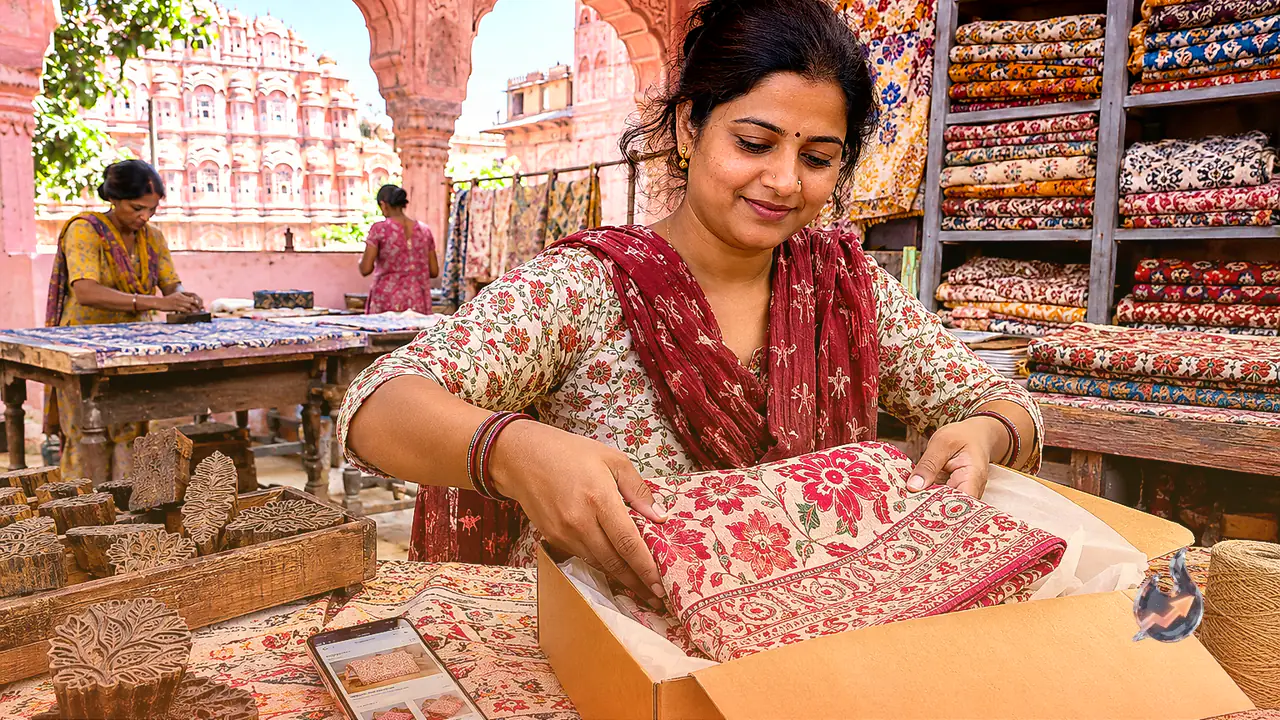
Amazon Karigar has connected more than 15 lakh weavers and artisans across India with digital commerce. Products sold through the programme include block prints, blue pottery, handmade decorative items and other traditional goods. Online access gives makers of these products a way to seek buyers beyond their immediate surroundings, creating a wider market for locally made work.
Delivery is part of the arrangement after a customer places an order. Logistics partners collect the goods from sellers and take them to customers. The network extends to more than 19,000 pin codes. That reach can let a seller working from a small town fulfil orders from distant customers, provided the product and the seller's order handling are ready for the job.
What sellers need to get started
Online selling generally requires an active bank account, a GST number and good-quality photographs of the products. GST requirements can depend on the category: ONDC lets small sellers in some categories begin without a GST number. A bank account is needed to receive sale proceeds, while product photographs help customers see what is being offered. These are among the basic preparations for listing products and handling orders through a platform.
In traditional markets, artisans often rely on wholesalers and retail channels to sell their work. That arrangement can leave makers with a limited share of the profit. Direct contact with customers through online sales can give sellers a chance to secure a better price for their products and retain a larger share of the earnings in their accounts. The article does not promise a particular price or income; the result depends on the product and its sales.
Local products, national reach
Digital platforms make it possible to offer a product made in a village or small town to customers anywhere in the country. The model can support local industries and aligns with initiatives such as Atmanirbhar Bharat and Vocal for Local. It could play a significant role in raising the income of small entrepreneurs in the coming years, though that is a possibility rather than a guaranteed outcome.
The opportunity also comes with day-to-day responsibilities for makers: maintaining product quality, preparing photographs, packing orders and understanding the platform's requirements. Online marketplaces can reduce the cost of a shop and widen access to customers, but actual sales also depend on demand for the product and the seller's ability to get it to the buyer.