




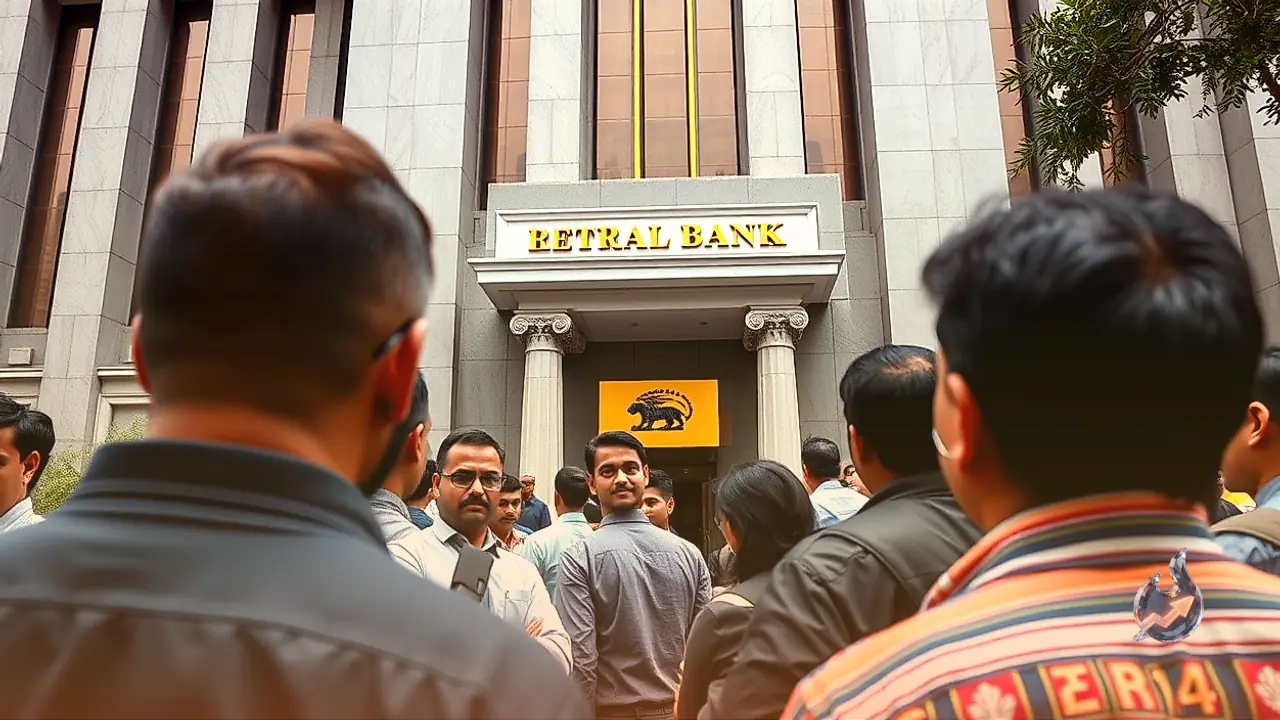


















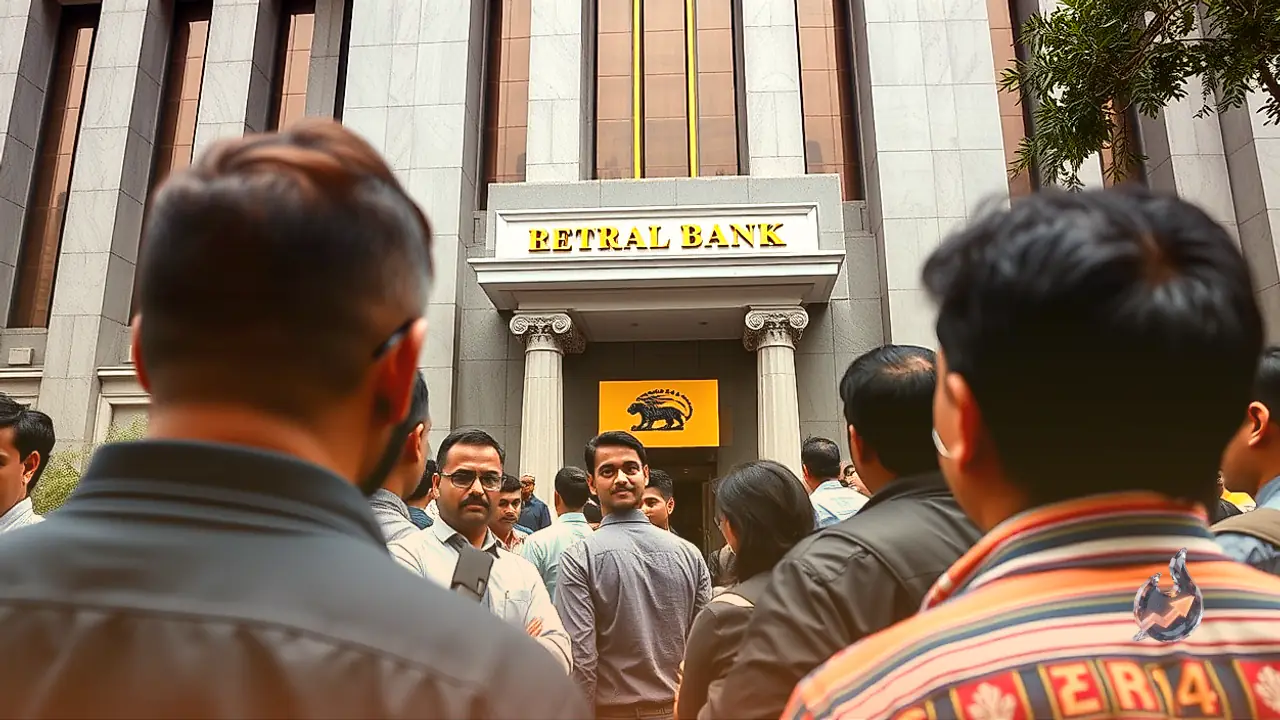

A 25 basis point hike in the benchmark lending rate by the central bank is poised to upset the household budgets of millions of retail borrowers nationwide. For the first time since February 2023, the reserve bank raised its policy repo rate to 5.50 percent. Decided by the Monetary Policy Committee (MPC) headed by RBI Governor Sanjay Malhotra, this shift directly hits consumers, making borrowing significantly costlier for prospective loan seekers as well as existing debtors holding home, vehicle, and personal loans.
Impact on Monthly Installments and Loan Tenures
Borrowers who opted for floating-rate agreements across home, vehicle, or personal loan categories could see either their monthly payments or their total loan duration increase. If commercial banks pass on the complete 0.25 percent increase to retail customers, borrowers will face larger monthly outgoes. In many instances, lenders choose not to alter the immediate installment size, opting instead to extend the overall tenure of the borrowing. This leaves the customer servicing the debt for far more months than originally scheduled. Conversely, individuals who secured their borrowings under fixed-rate contracts will experience no disruption from this policy change.
How to Handle Lender-Extended Tenures
Following benchmark rate increases, several lenders, particularly within the private banking sector, routinely stretch repayment tenures rather than notifying borrowers to revise installment amounts. Customers often discover this change only when reviewing routine account statements. If a financial institution stretches an amortization timeline without clear prior notice, borrowers have specific recourse under established consumer banking rules.
- Request an Updated Schedule and Account Statement: Borrowers should review the updated amortization schedule through the bank's digital portal, application, or branch office. It is crucial to determine the revised effective interest rate and verify precisely how many additional months the lender added to compensate for the 0.25 percent rate bump.
- Opt for an Installment Increase: Carrying an extended tenure significantly escalates the cumulative interest burden paid over the life of the loan. A prudent financial approach is to keep the tenure intact and instruct the lender to increase the monthly payment amount instead. Borrowers can submit a written directive to their institution requesting higher installments over term extensions.
- Deploy Part-Payments to Curtail Long-Term Debt: Whenever income permits, using surplus funds or annual festive bonuses for partial prepayments provides relief. Floating-rate home loans do not carry prepayment penalties or foreclosure charges. Even modest periodic lump-sum payments can trim multiple years off an extended borrowing schedule.
If an institution fails to provide a satisfactory resolution within 30 days of filing a grievance, borrowers can escalate the dispute by registering a complaint through the Reserve Bank's Banking Ombudsman system online.
Loan Segments Facing Immediate Revisions
According to official regulatory disclosures, nearly 68.2 percent of all floating-rate rupee loans across commercial banks were linked directly to external benchmarks (EBLR) as of late June.
- External Benchmark-Linked Borrowings (EBLR/RLLR): Regulatory guidelines mandate that lenders review and adjust interest rates tied to external benchmarks at least once every quarter. Consequently, mortgages and personal loans linked directly to the repo rate will witness upward revisions as soon as their next scheduled reset date arrives.
- MCLR-Tied Advances: Around 29.6 percent of bank loans are anchored to the Marginal Cost of Funds Based Lending Rate (MCLR), a category encompassing the majority of MSME and corporate facilities. The rate impact on these facilities will manifest with a delay, taking effect only after banks assess their internal cost of funds and reach the contractually mandated reset interval.
- Longer-Term Fixed Commitments: Pure fixed-rate contracts remain completely insulated against these monetary adjustments, ensuring consistent installment structures throughout the agreed duration.
The Road Ahead for New and Existing Buyers
Presently, State Bank of India, the largest public-sector lender in the country, offers home loans starting at a baseline interest rate of 7.25 percent annually. Individual borrowing rates and the exact timing of future adjustments remain contingent upon the terms embedded within respective loan covenants. Given that the central bank governor explicitly ruled out near-term rate cuts, consumers planning festive purchases of residential properties or automobiles must now brace for higher financing expenses and heavier installment burdens.